There’s so much we could tell you about drag, as there are as many forms of drag as there are artists. Our journeys into this art are not the same, nor are the motivations that lead us to practice it. Every path is unique, every character born on stage carries their own story, along with their dreams and their anger. So instead of speaking from one single perspective, we’ve chosen to speak collectively, on behalf of our association, the Queerdom, about something that touches all of us deeply.
There’s so much we could tell you about drag, as there are as many forms of drag as there are artists. Our journeys into this art are not the same, nor are the motivations that lead us to practice it. Every path is unique, every character born on stage carries their own story, along with their dreams and their anger. So instead of speaking from one single perspective, we’ve chosen to speak collectively, on behalf of our association, the Queerdom, about something that touches all of us deeply.
What we want to share today is why drag is more than just art. Why its presence in public space is essential. And why, more than ever, drag must continue to exist.
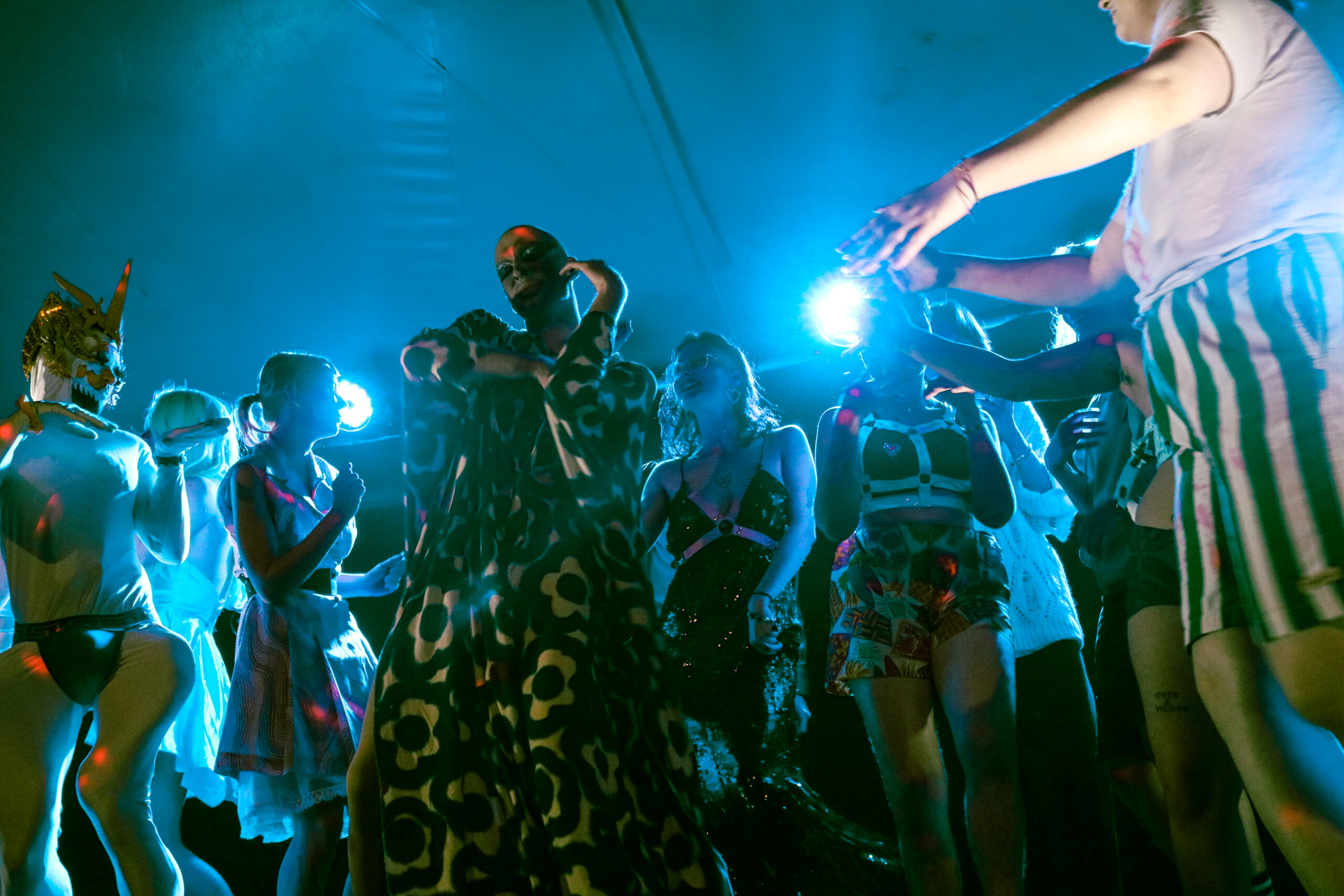
Drag isn’t just an artistic performance. It’s a way of reinventing the rules, of challenging the norms, of subverting them. It’s a claim to freedom: freedom of expression, of gender, of existing outside the norm, loudly. In a world where identities are still constrained, doing drag means carving out a space for self-reinvention. It’s a way to assert yourself, to heal, to discover, and to connect with others. Whether on stage or behind the scenes, drag brings people together. It heals. It builds community, not only among artists, but also with the audience.
Today, in the face of rising reactionary rhetoric, censorship – overt or disguised – and attempts to silence what disturbs or challenges, drag becomes an act of resistance. It becomes a cry: We are here, and we are not going anywhere.
Drag has always been political. From its earliest forms – from Elizabethan theatre to 19th-century cabarets – it has been a means to question norms, to play with gender, often with humor, always with boldness. In the 1960s and 70s, drag became inseparable from LGBTQIA+ struggles: drag figures like Marsha P. Johnson and Sylvia Rivera – trans, racialised activists – were on the front lines of the Stonewall riots in New York in 1969, a foundational moment for Pride and contemporary queer activism.
Despite the devastation caused by HIV/AIDS, marginalisation and violence, drag communities have continued to create shows, balls, houses – spaces where chosen families were formed, refuges created, and places of care, struggle and life emerged.
Even today, as some states ban drag events or label them a “dangerous ideology,” we must say it loud and clear: drag is not a threat. Drag is an answer– artistic, political, radical – to a world that seeks to silence, flatten, and normalise.
But for this art to thrive, it’s not enough for us to step onto the stage. We also need you to be here, facing us. To choose to come, to watch, to listen. Because drag only comes alive in the encounter.
And it’s important to remember: drag is so much more than what you might have seen on TV. As popular as Drag Race may be, it only represents one slice of a multifaceted art form. Drag can be extravagant or minimalist, burlesque or political. It can be funny, unsettling, transgressive, vulnerable, experimental. And it’s this diversity that makes it so powerful.
We invite you to discover shows that seek to tell stories, to question, to exist fully. Drag needs spaces where it can express itself without conforming, without censoring itself. Because behind every trace of makeup are identities, struggles, and a deep desire for freedom.
And this art, more than ever, must continue to live on.
Translation by Brigitte Neves