
May 2016. In Bernie Sanders’ U.S. presidential campaign, the term “throwing shade” makes its way into political discourse. In response, Democrats reply with #SMH — shorthand for “shaking my head.” Once confined to queer spaces, these expressions have now gone mainstream. Pop aesthetics with drag roots? The very fact that such terms are used in political power struggles reveals how queer slang has migrated from subculture to the cultural forefront. Not because queer battles are over — but because patriarchy and capitalism have learned to dress up in rainbow hues. The appropriation of queer language is more than a symptom of rainbow capitalism: it reflects deeper patterns of cultural appropriation of marginalized expression
Language as a Survival Strategy
“Ballroom is a subcultural phenomenon rooted in the need for community and safety — and in resistance to oppression.”
— Les Fabian Brathwaite, vanvoguejam magazine
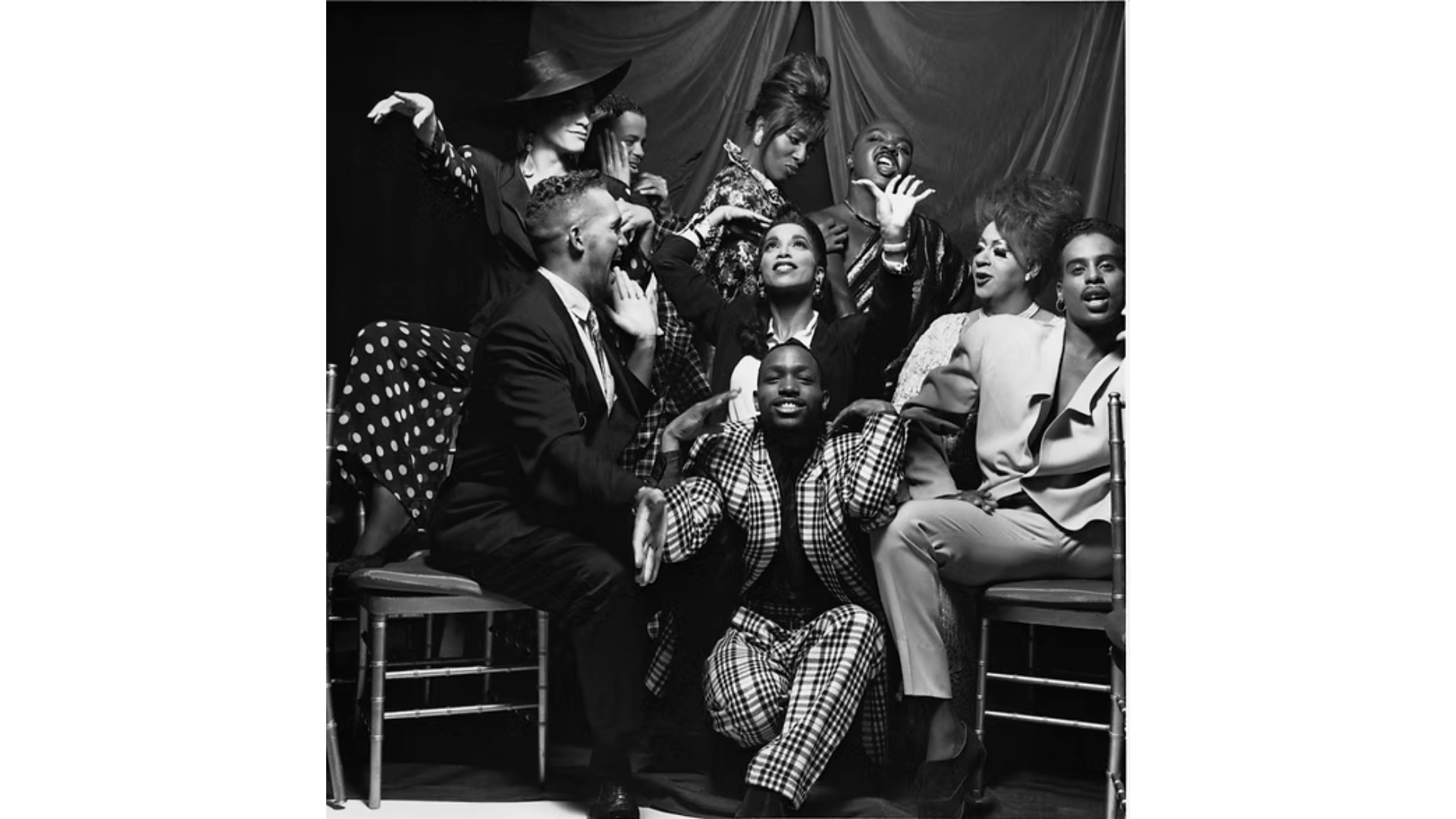
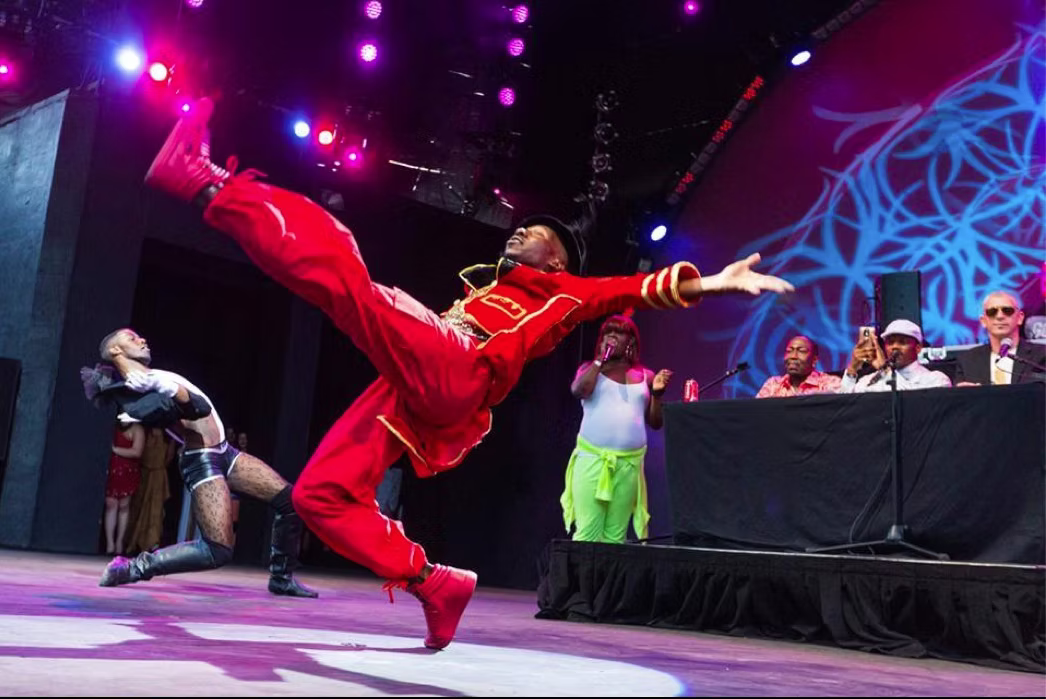
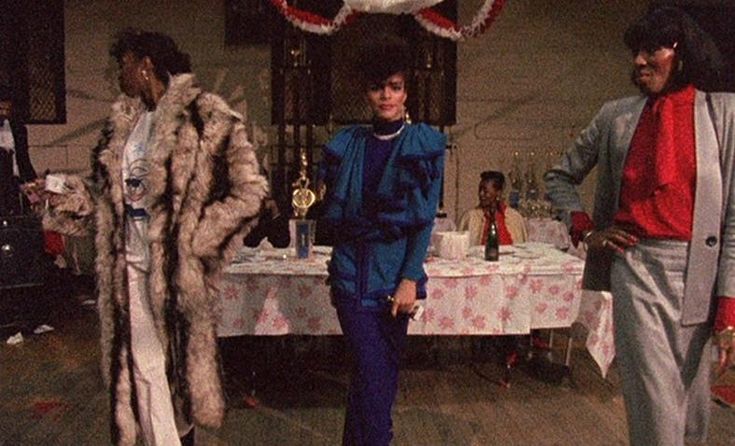
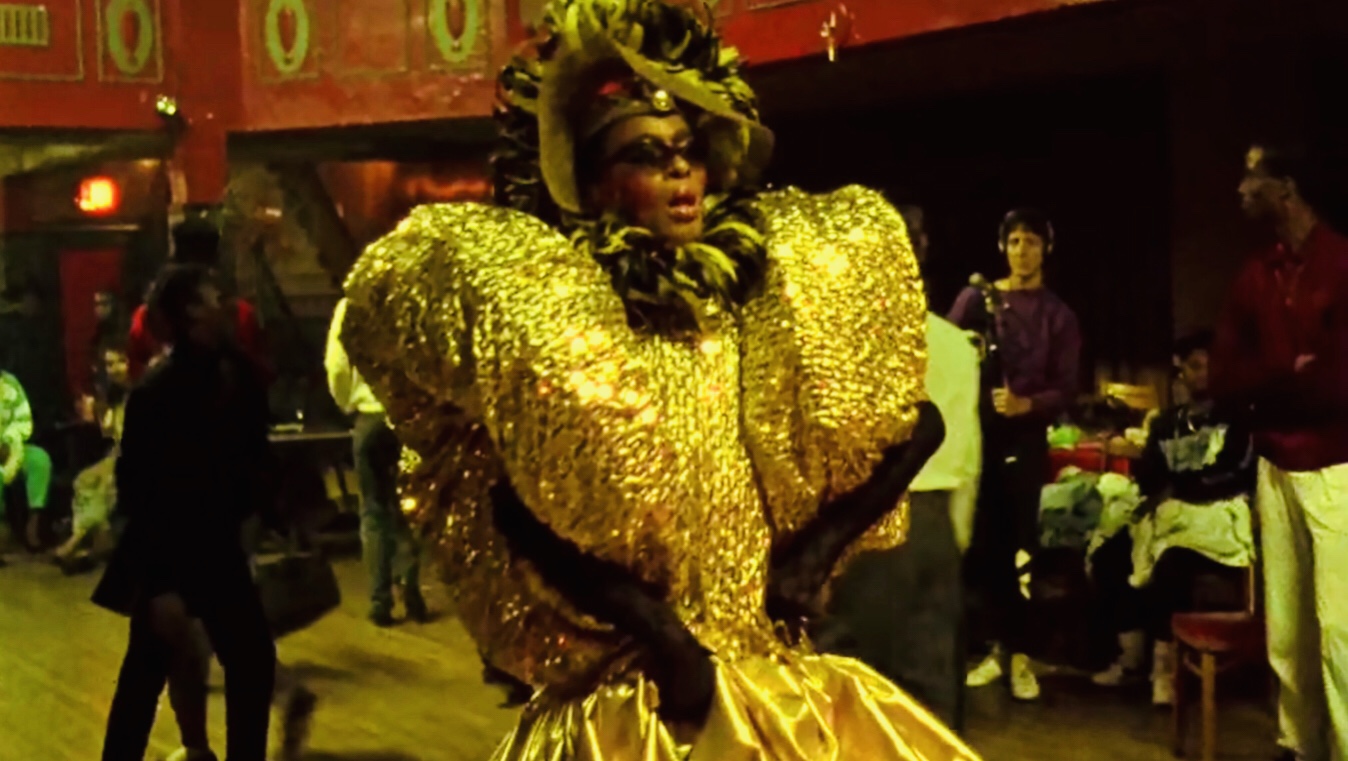
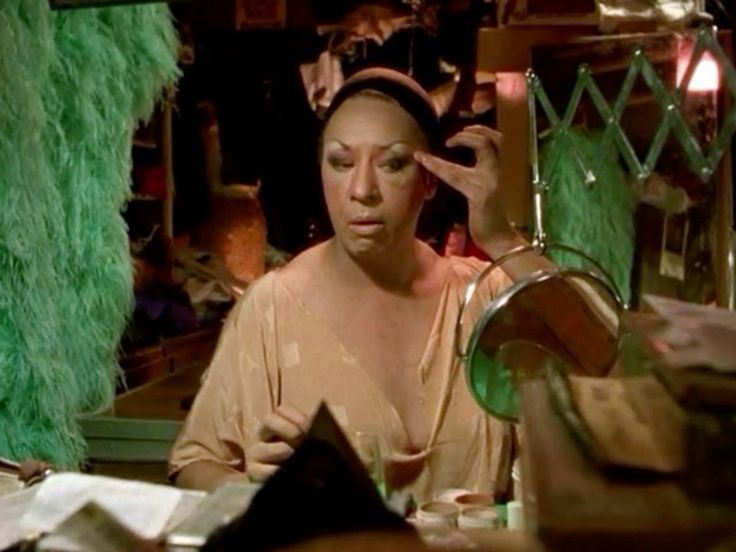
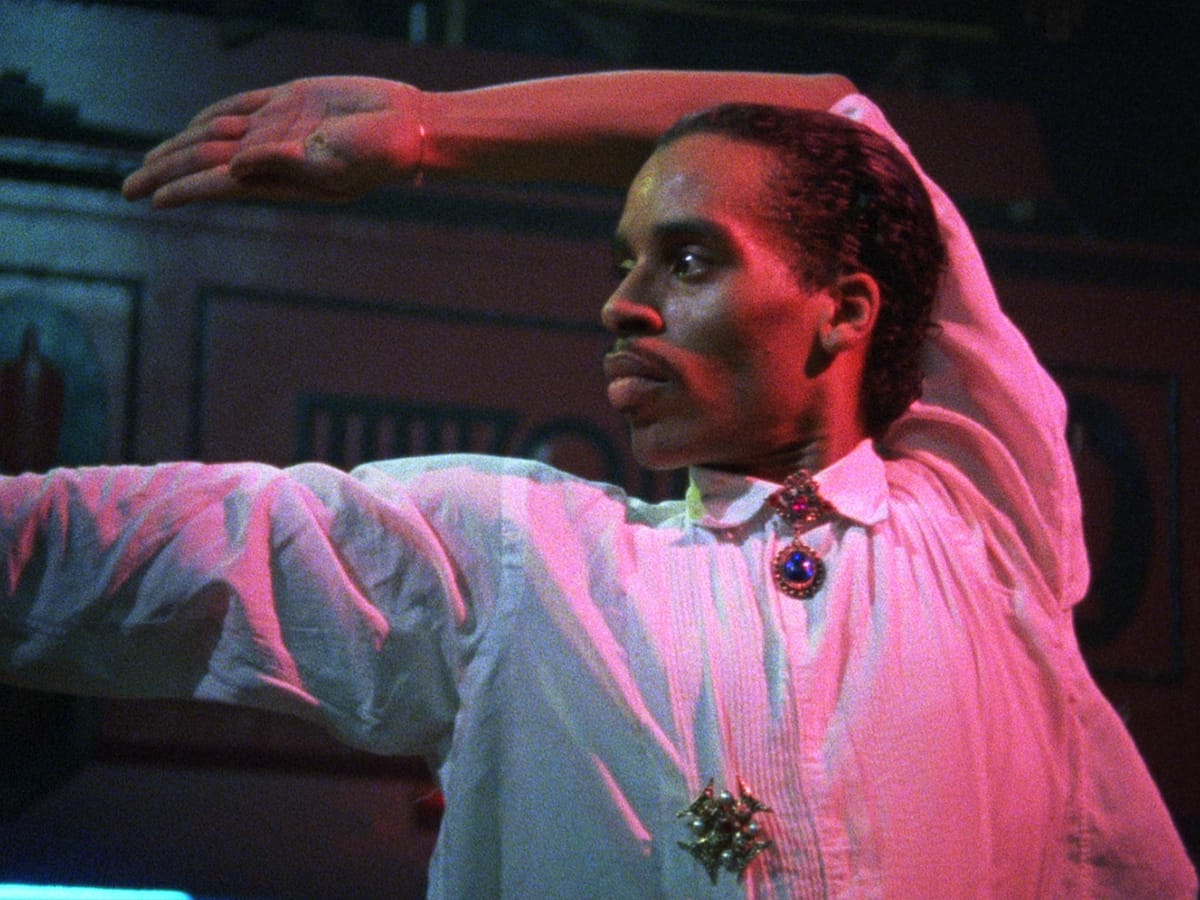
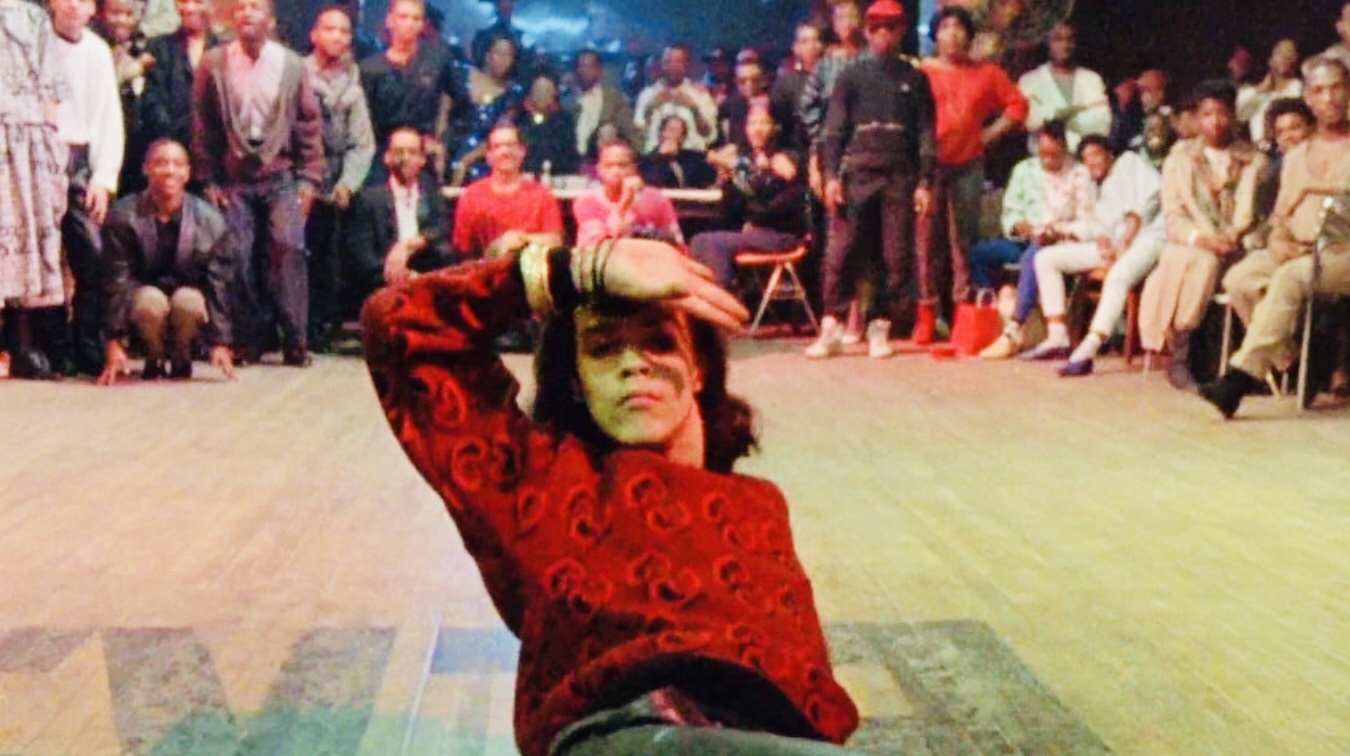
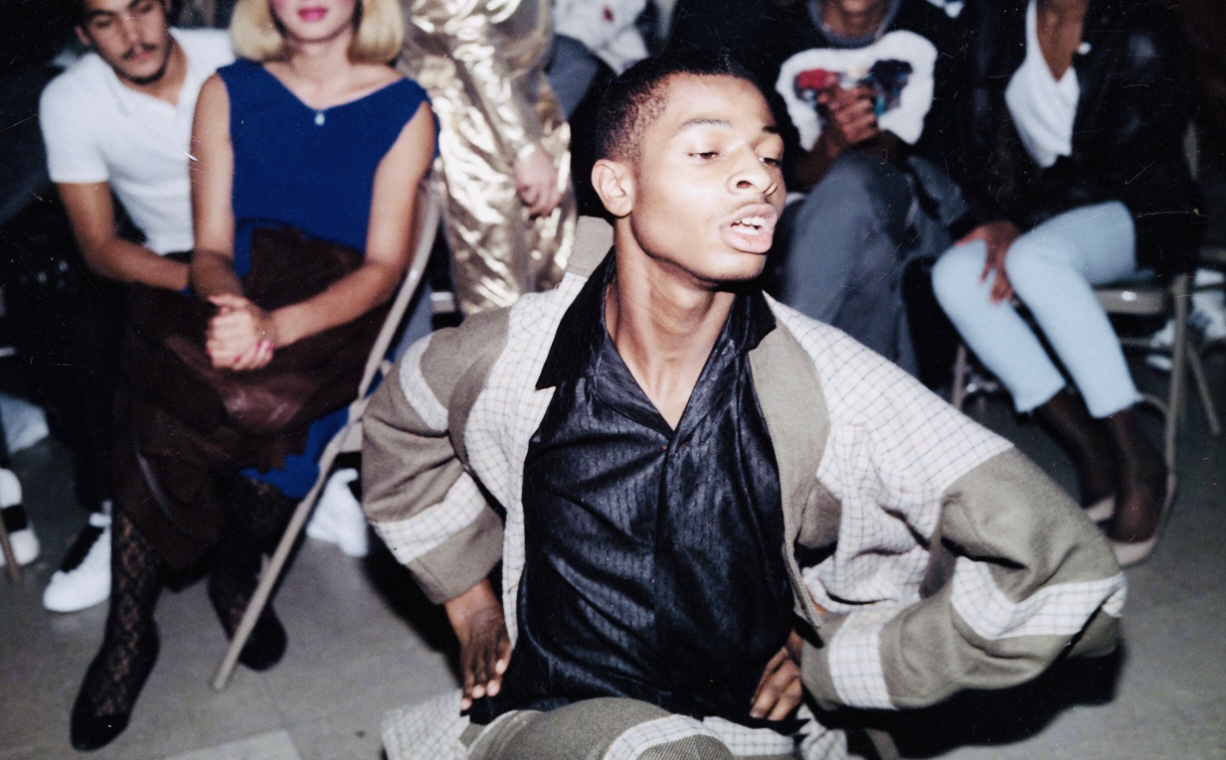
Queer slang was never “just cool.” It was survival. In the 1980s ballroom scene — shaped by Black and Latinx trans people and drag queens — words like “shade,” “read,” “realness,” and “slay” were part of a coded world of resistance. Language became a shield, a celebration, a subversive tool to challenge the norms of a world that excluded, pathologized, or criminalized queer identities.
Still today, queer youth — especially trans youth — face disproportionate levels of homelessness, school bullying, and healthcare discrimination. Ballroom houses offer more than community: they offer mutual aid, solidarity, and safety. They are chosen families for those who have none.
To “slay” on a ballroom floor isn’t just to look good — it means to defy systemic violence, poverty, and marginalization with poise, fierceness, and beauty.
Polari, Goluboy & Lubunca: A Global History
“Nada to vada in the larda, what a sharda,” says linguist Paul Baker.
Translation: “What a shame, he has a small penis.”
Queer coded language isn’t a U.S. invention. In Britain, Polari emerged as early as the 17th century — a mash-up of criminal argot (molly slang), Cockney slang, and Italian words brought by Mediterranean sailors. It offered queer people both protection and identity. “It wasn’t just secrecy,” Baker explains, “but a way to build community and express difference — even superiority — against a majority that viewed you as less than.”
Even now, in places like Putin’s Russia, queer people rely on secret codes like Goluboy to communicate safely. In Turkey, Lubunca — a language born among gay men and trans women under the Ottoman Empire — is still alive as part of the contemporary LGBT+ struggle. queer.lu recently featured an article by Ozan Can Çetinkaya on this ongoing resistance through language.
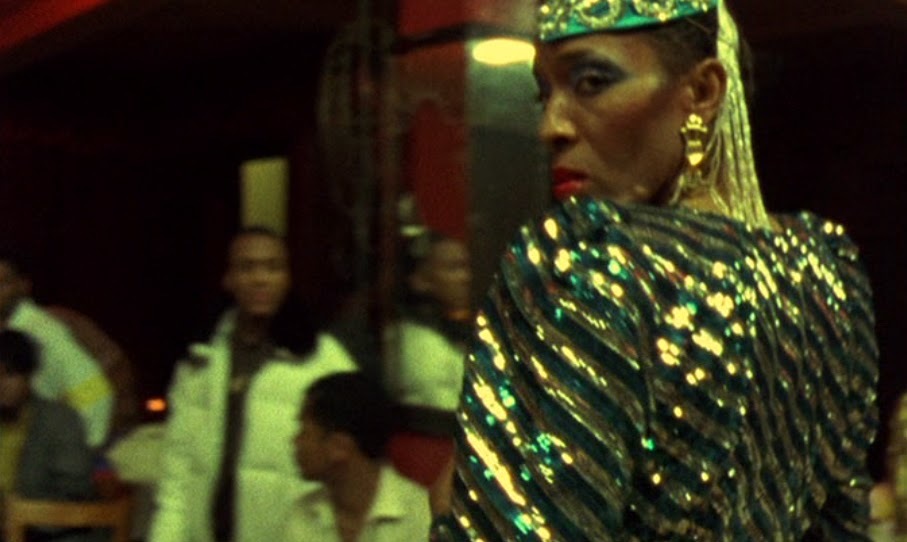
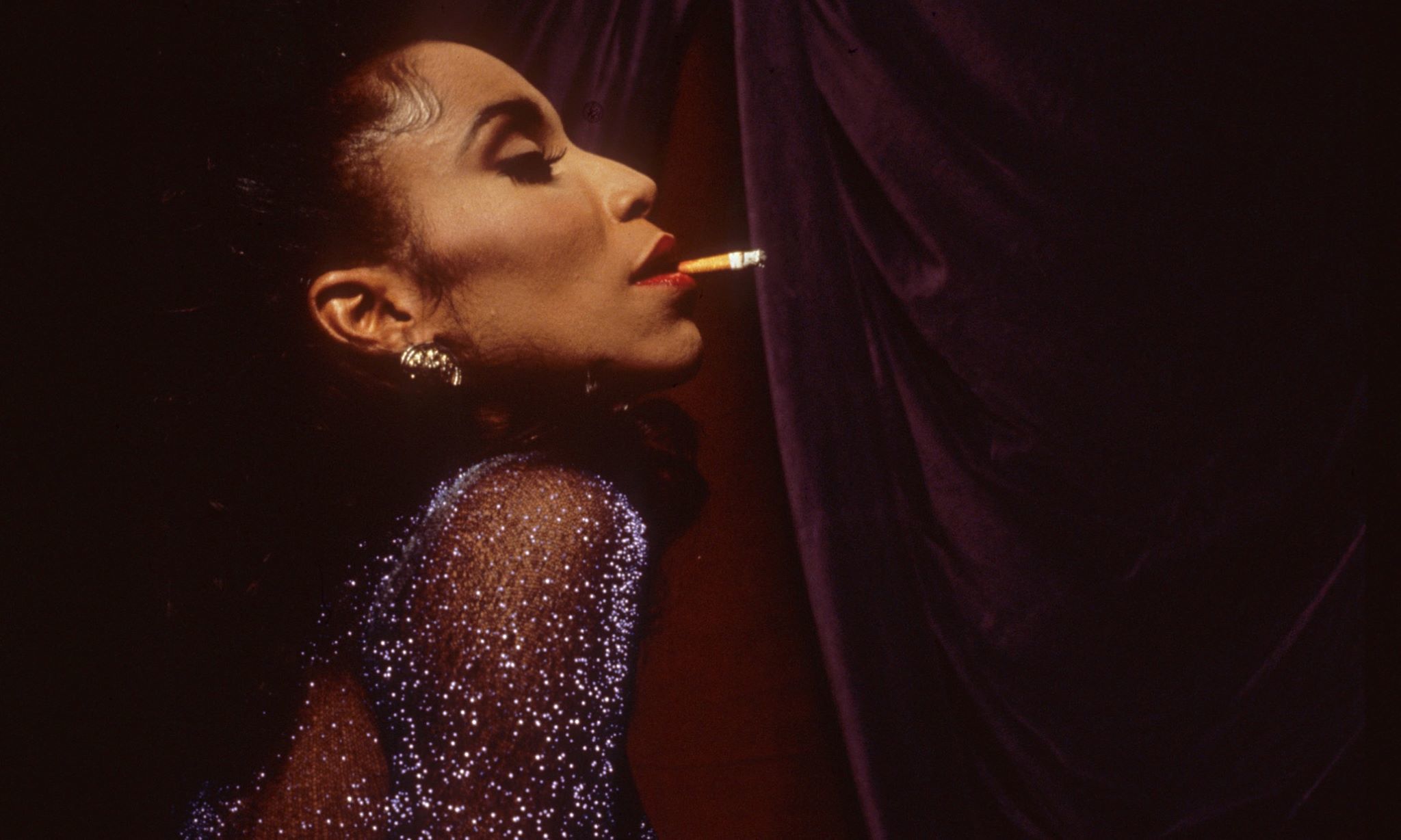
Stills from Paris is Burning, 1990, Jennie Livingston:
Visibility vs. Appropriation
Mainstreaming queer slang may seem like cultural recognition. After all, visibility matters — especially for those historically erased. When words like “icon,” “realness,” or “serving cunt” are picked up by the mainstream, it may feel like a step forward.
But there’s a risk. Once language is removed from its original context, its radical force often fades. As major brands market themselves as “slay,” it’s not the communities who coined the term that profit. What was once resistance becomes branding. What once protected becomes performance.
This is how cultural appropriation works: using elements of a culture without understanding or crediting its origins — while continuing to exclude the people behind it. Meanwhile, queer people, particularly trans people of color, still face violence, anti-trans laws, and systemic discrimination.
Local Perspective: Protecting Queer Culture in Luxembourg
When queer slang, fashion, makeup or dance styles enter the mainstream, the community behind them must also be supported. In Luxembourg too, queer language is spoken, queer dance celebrated. But queer culture needs protection — legal, social, and cultural.
That means laws that protect queer people, support for queer spaces and artistic initiatives, and cultural funding that goes beyond symbolic rainbow flags in marketing campaigns.
Language holds memory. And memory requires protection, space, and respect. Art and history must be visible and accessible.
Using queer terms isn’t inherently problematic. Language evolves. Pop culture can express admiration. But it must not erase history.
Queer slang is not a trend. It’s living proof of resilience — and it deserves to be honoured, understood, and preserved.
Queer Slang Crossword: