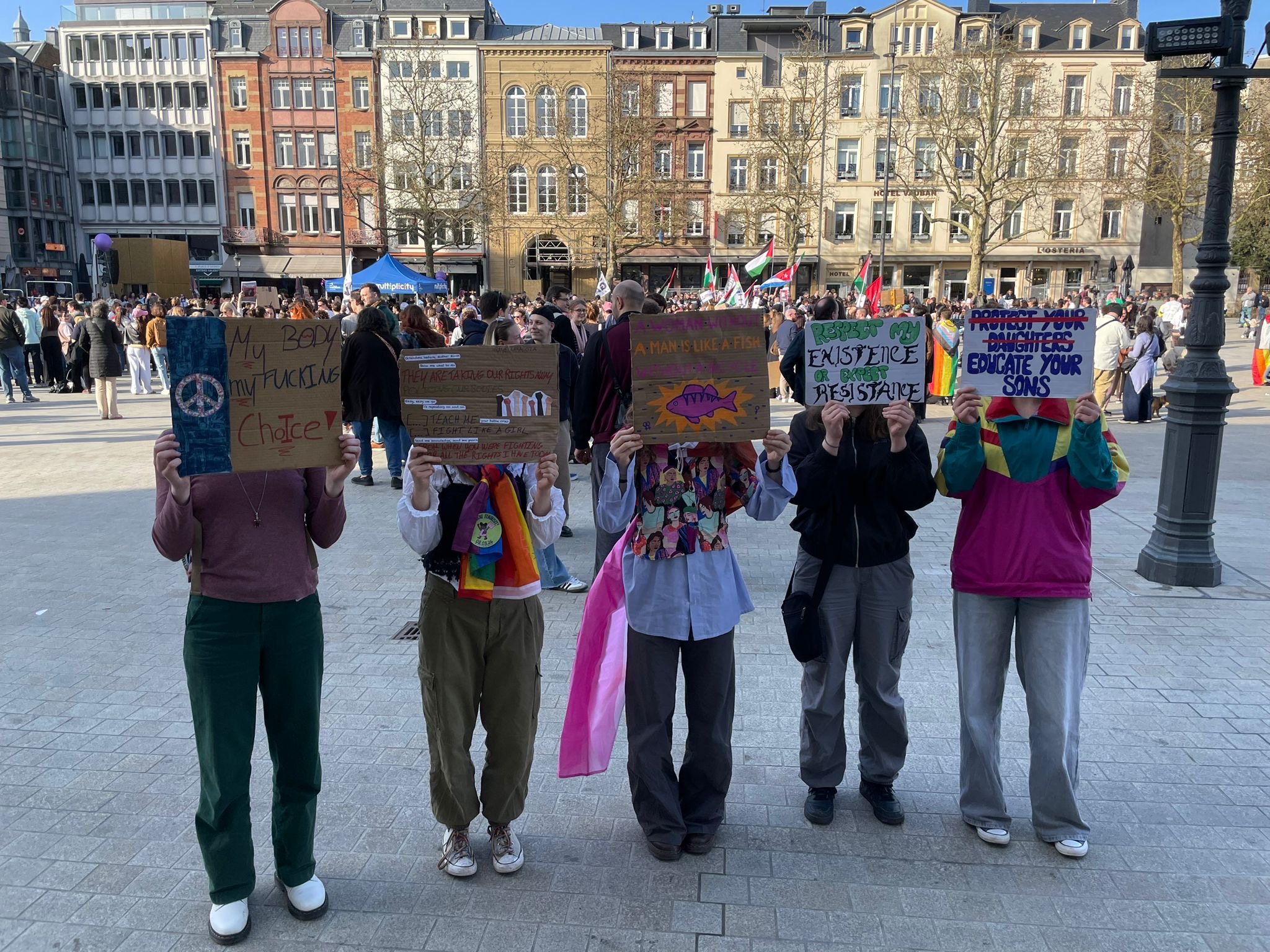
Being queer carries many different perceptions and judgements about one’s identity. On top of handling the physical and emotional changes that come with puberty, queer teens must also reflect on their own sexual and gender expression. Simultaneously, they are often perceived very differently from cishet or straight people. Identifying as something outside of societal norms affects every aspect of one’s life. This article looks at how this awareness impacts different areas of life and how queer youth groups like Queers in Pink can help people navigate their struggles by connecting with peers.
Are schools safe places for Queer youth in Luxembourg these days?
In some respects, the safety of queer youth in schools has improved. For example, bullying of any kind is officially prohibited and must be reported. However, the topic remains controversial in our society, as demonstrated by Petition 3198 in summer 2024.
The petition called for banning LGBTIQ+ topics from school curricula and education for minors and gathered enough signatures to be debated in the Chamber of Deputies. In response, a counter-petition was launched to further anchor LGBTIQ+ issues in the curriculum. Ultimately, both petitions received around 10,000 votes, clearly illustrating how divided public opinion remains.
Although Petition 3198 did not lead to any legal change or ban, Parliament reaffirmed the importance of addressing LGBTIQ+ matters in the classroom. While this was a success for the LGBTIQ+ community, it also showed that the struggle for inclusion continues.
If LGBTIQ+ topics had been discussed more openly when we were in school, many of us would have felt supported. Censoring these subjects doesn’t make queer feelings disappear. Instead, it can lead young people to believe they are abnormal, alone, or insecure, which may negatively impact their self-esteem.
The lack of queer visibility in school textbooks and curricula reinforces this invisibility. Much of the literary canon is focused on traditional narratives. Queer young people and those in the process of self-discovery are often left without role models they can identify with. Many turn to the Internet for answers, where misinformation, hostility, and toxic content can easily spread.
Discrimination against the LGBTIQ+ community has not disappeared. Verbal insults, hidden bullying, deliberate misgendering and subtle exclusion still occur. Unfortunately, in some cases physical violence remains a reality.
Constant exposure to these experiences can lead to stress and anxiety, and even school avoidance.
Even when a school seems safe on paper, safety depends heavily on the school’s environment — the class dynamic, the teachers, and their willingness to intervene. Some teachers hesitate out of uncertainty or to avoid conflict, leaving queer students unsure who else to turn to.
Debates about issues such as unisex toilets in schools further reveal societal tensions. While the proposal aimed to create inclusive spaces for all students, public reactions were often tainted by fear and misunderstanding, even transphobia from some parents and adults.
Fortunately, positive developments exist. More schools are offering support structures through SEPAS (Service Psycho-social et d’Accompagnement Scolaire) services and other local or national initiatives. In the Lycée des Garçons Luxembourg (LGL), for example, the SEPAS proposes inclusive activities and open dialogue. Offering queer students support — whether through school services, peer groups or personal reflection — provides them with safe spaces where they can thrive, and can help them feel less alone.
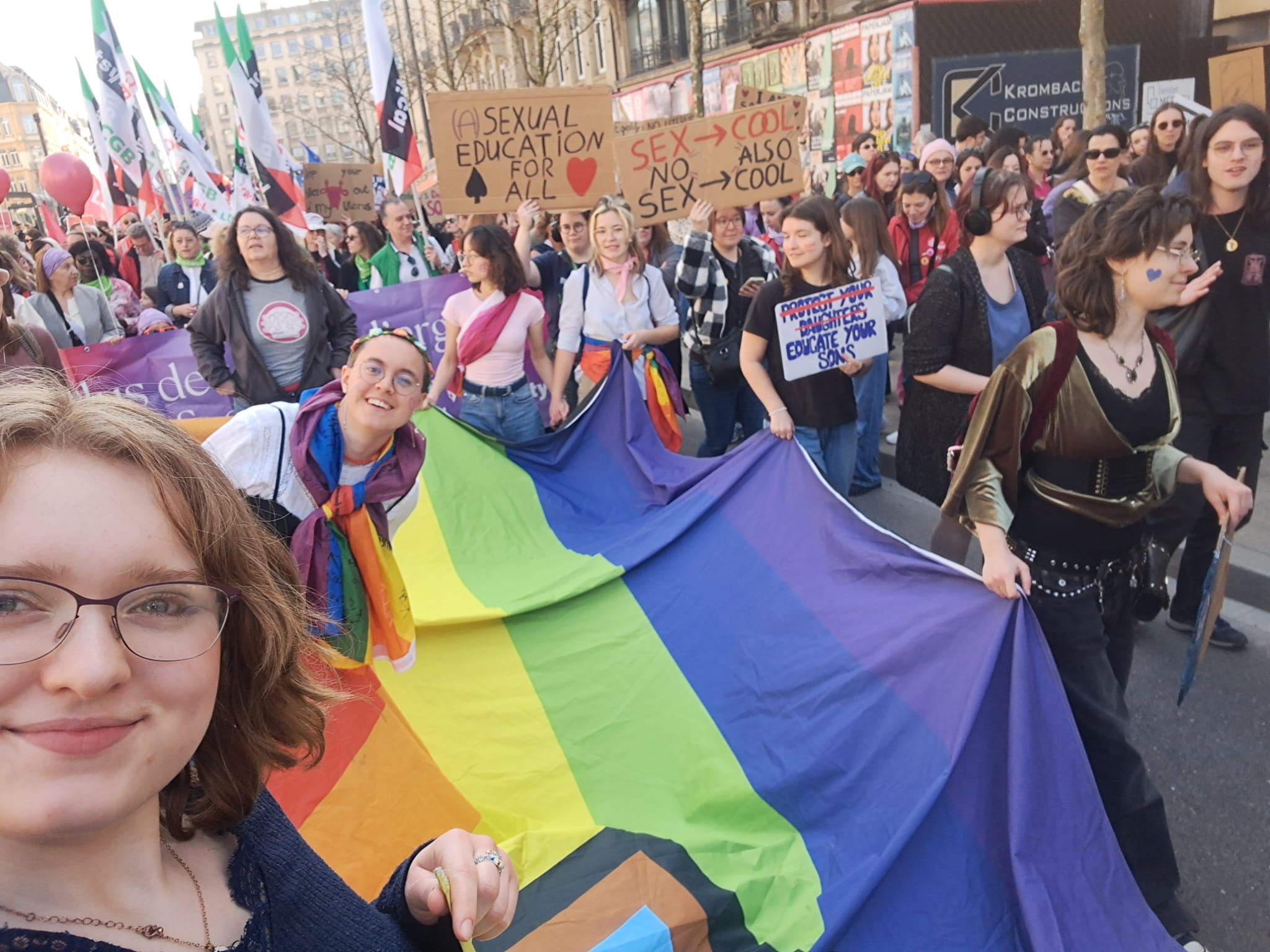
Religion, Society and Queer Rights in Luxembourg
Religious beliefs and political opinions still shape societal attitudes towards queer people in Luxembourg. Although some progress has been made, tensions remain visible. When you look at the European Rainbow Map, you clearly see that Luxembourg ranks high up and has strong equality legislation. Same-sex marriage has been legal since 2015, and anti-discrimination laws are well established. However, compared to neighbouring Belgium (2003) and France (2013), progress came relatively late. Non-binary identities are still not legally recognised on official documents, unlike in Germany. Legal advancement does not automatically mean full social acceptance.
Since the 2023 parliamentary elections, the Christian Social People’s Party (CSV) has been the strongest political force. While Luxembourg presents itself as modern and progressive, Christian values still influence public discourse. Religion may not formally dominate politics, but it continues to shape everyday attitudes.
For many queer teenagers struggling to come to terms with their identity, this influence is not abstract. Those raised in religious or conservative environments often struggle with their internal conflicts more intensely. They may fear prejudice and rejection from their family, school, or the wider community. While supportive initiatives for queer youth are growing, counter movements rooted in conservative or religious worldviews persist. Some people feel threatened by change and often resist the idea of thinking “outside of the box”.
Of course, many religious representatives openly support queer people and speak out against discrimination. Their voices offer comfort and security to young people who feel torn between faith and identity.
School is another challenge for the queer youth because it mirrors the broader societal tensions. Depending on the school, it can be very hard or risky to express one’s identity.
Some institutions actively create safe spaces for queer people and promote inclusive education, but queer topics remain dramatically underrepresented in many curricula. As a result, many queer teens often have to educate themselves, and not everyone has equal access to reliable information.
That said, school can be both a safe space and the total opposite for queer teenagers.
Besides, society appears largely divided. One side advocates for freedom, integrity and self-expression for all. The other vigorously resists these changes, often out of fear. This polarization makes it harder for young queer people to feel fully safe and accepted.
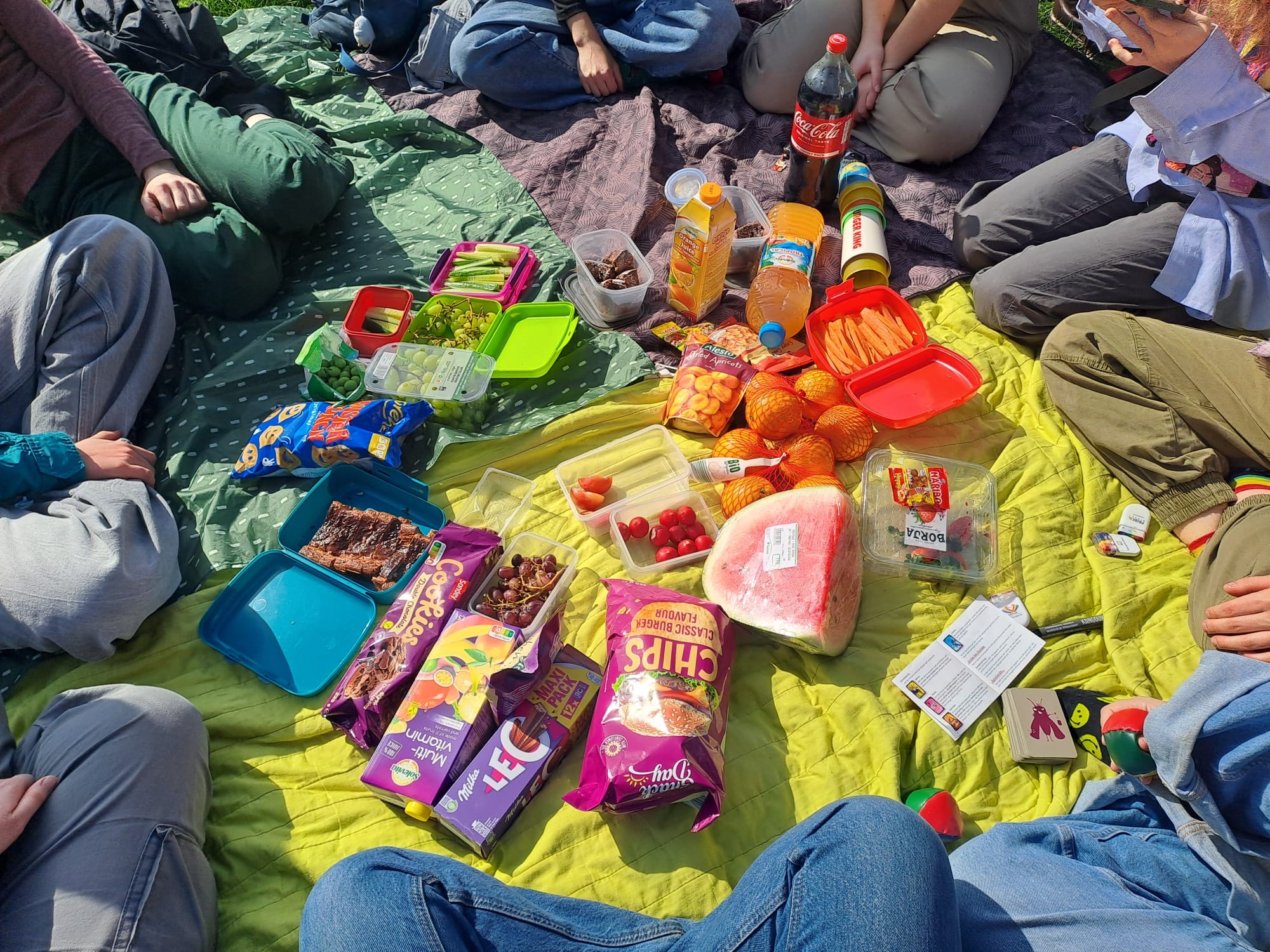
What does coming out mean today?
Coming out always starts with the individual, with self-discovery and self-acceptance. This process, sometimes described as “coming in” can take years and is often the most challenging part. Social background, religion, family values, and peer groups all influence this journey.
For those raised in strict or conservative environments, self-acceptance may be longer.
The wide range of labels in the LGBTIQ+ community can also be overwhelming. It’s important to bear in mind that this is perfectly fine to identify or not to identify with these labels. Sexuality and identity are fluid.
Coming out to family and friends is never mandatory. Unfortunately, some people are outed without their consent. This violates their privacy and autonomy. Being outed prematurely or facing rejection can significantly impact mental health. In Luxembourg, support services such as KJT (116 111), SOS Détresse (45-45-45), or SEPAS are there to help. Reach out to them when you need to. You’re not alone.
Unfortunately, there is often more understanding toward lesbians than toward gay men and non-binary individuals. This is often due to a lack of understanding and knowledge, as well as the stereotype that men aren’t allowed to openly express their feelings.
On a positive note, however, many of us and our friends feel more accepted and celebrated today than ever before whether through visibility on social media, in non-school books, films, or newspapers, celebrities that out themselves or through the right circle of friends.
Queer young groups play an important role in this process. Our goal is to provide a safe space for everyone, whether out or not, straight, queer, or ally.
Final Reflection
Living openly as queer can be exhausting. Constantly explaining yourself, watching what you say, navigating and dealing with prejudice requires energy.
The world may not be where we want it to be. That’s precisely where connection matters. Whether you are supported by a large community or just one understanding, knowing you are not alone changes everything.
You do not need to have all the answers. Just be yourself and move on at your own pace.