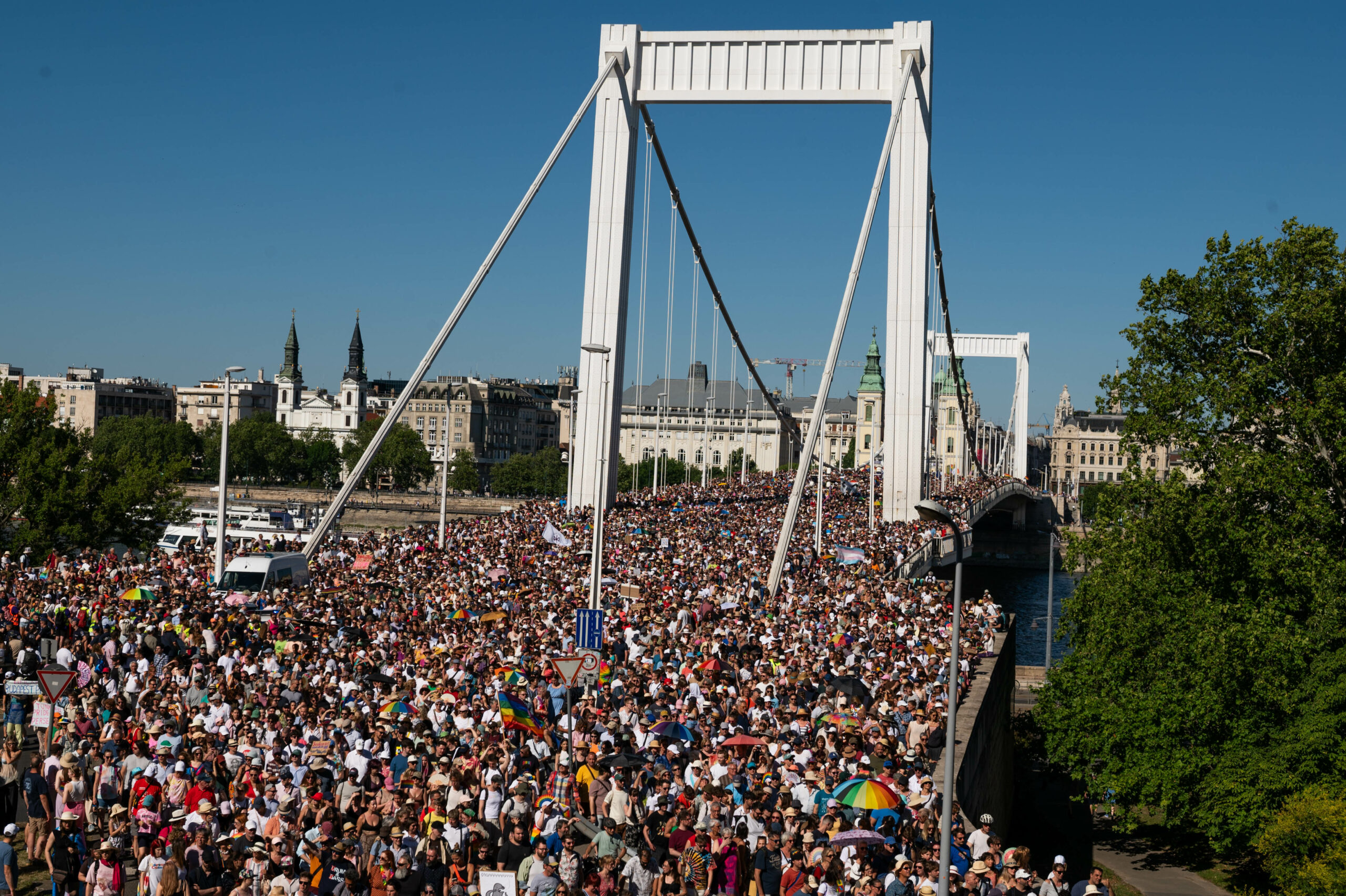
The heat had descended on Budapest since dawn. A cloudless sky hung over the city, an appearance of calm masking an underlying tension. For several days, the authorities had been sending out warning signals: increased checks, media provocations, threats of bans. Viktor Orbán’s government, true to form, had done everything in its power to prevent the march. A march that was supposed to mark the 30th anniversary of Budapest Pride.
On the ground, the organisers of Budapest Pride had not given in. With admirable rigour, they ensured coordination, security and political coherence. For their part, the local authorities, notably the Mayor of Budapest, Gergely Karácsony, stepped up to their responsibility. Despite attempts by the Orbán government to obstruct them, they decided to maintain Pride as a municipal event, reminding everyone that the Hungarian capital would not bow to national propaganda.
It was in this context that I arrived in Budapest, accompanied by more than 70 fellow Members of the European Parliament and several national delegations. Our collective presence was not coincidence: it was a clear and deliberate political choice: we will not turn a blind eye to Hungary. We will not leave Hungarian activists to face the illiberal government alone.
From the moment we arrived, the scene was set. Official rhetoric continued to pit ‘traditional Hungarian values’ against ‘ideologies imported from the West’. State propaganda recycled the same images: children to be protected, families to be defended, homosexuality presented as a threat to society. An old recipe, but a dangerous and effective one.
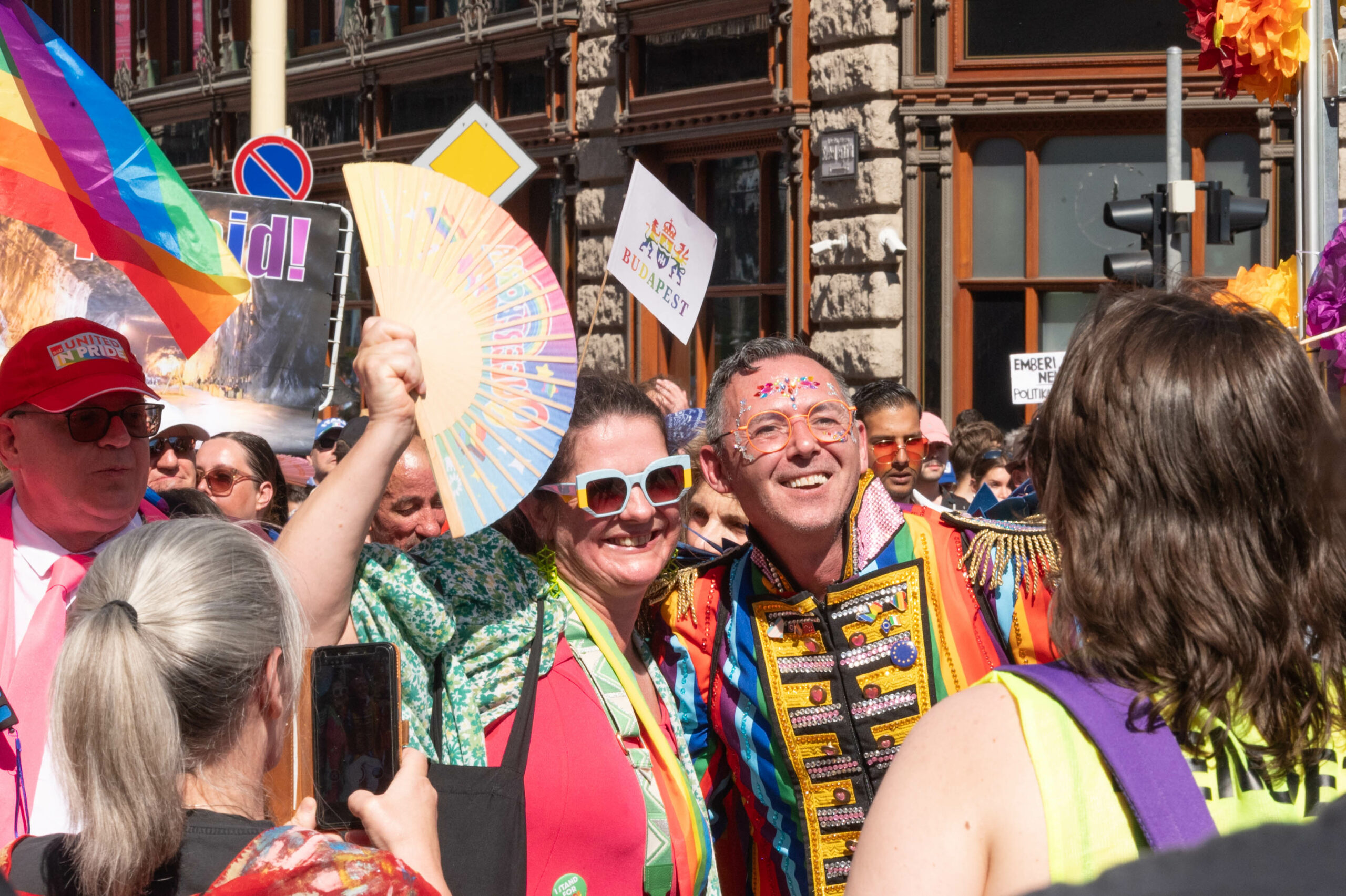
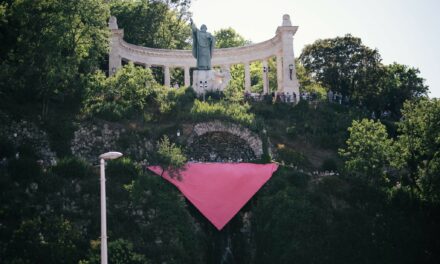
Budapest Pride 2025 © Cini Fodor
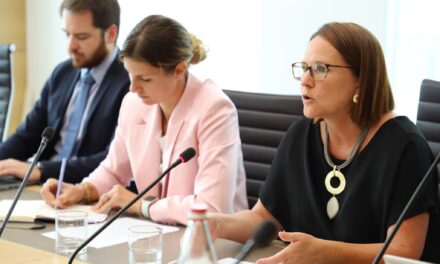
Faced with this machine, a response was being organised. For two days, we participated in the International Human Rights Conference. This was a pivotal meeting, which provided an opportunity to take stock of the fundamental rights violations in several Member States, with Hungary at the forefront. Local NGOs painted a grim picture: the growing criminalisation of associations, isolation of LGBTIQ people in rural areas, media censorship, and manipulation of the justice system.
Beyond taking stock of the situation, we got down to work. This was not a meeting of principle, but a strategic moment. We reaffirmed our commitment to making European funding conditional on respect for the rule of law. We acknowledged the need to strengthen operational support for threatened NGOs. And we agreed to follow up politically on cases of administrative, judicial or media harassment.
But the conference was only one part of the story. The main action took place in the streets, through encounters and dialogues.
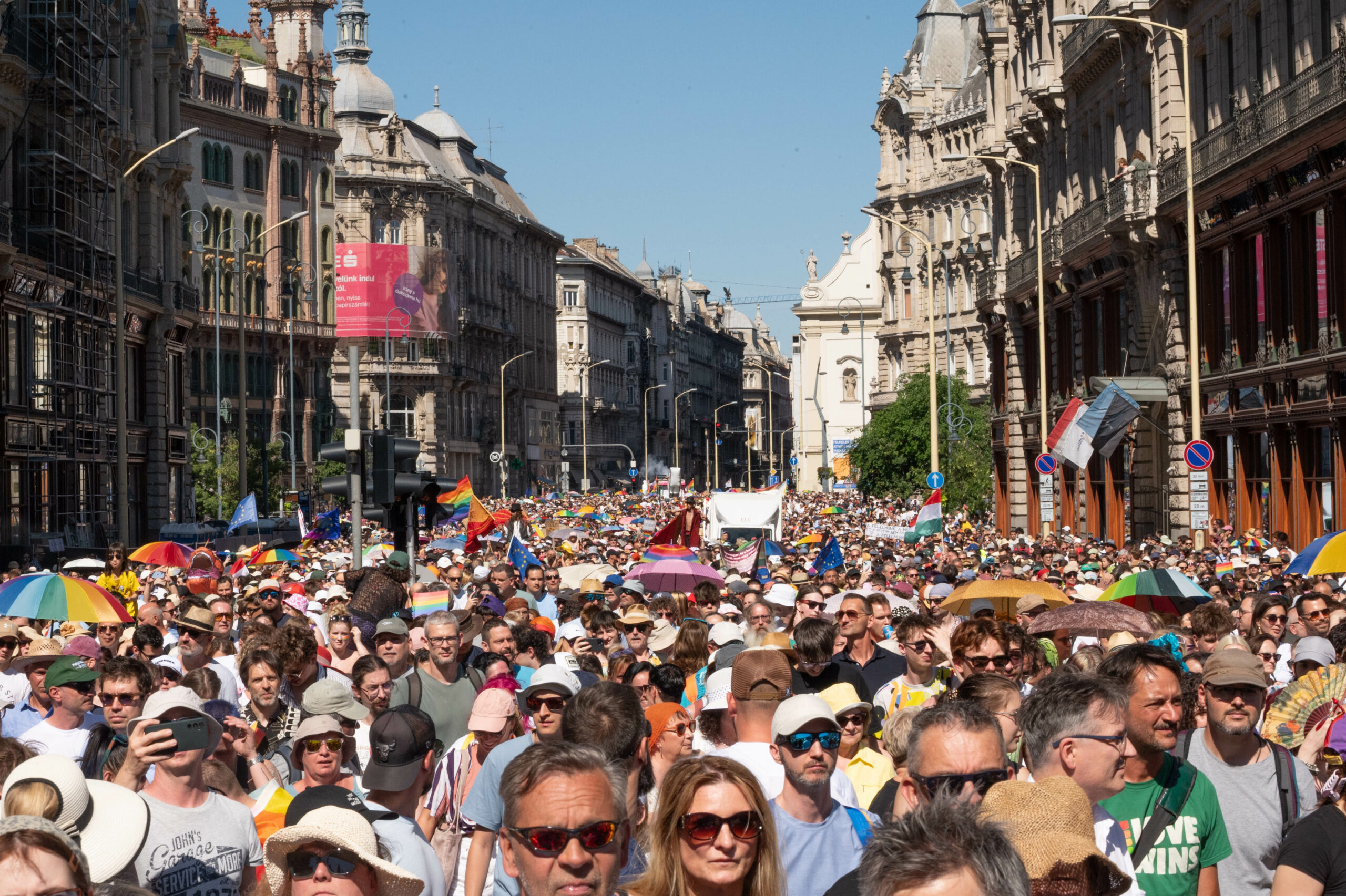
Budapest Pride 2025 © Cini Fodor
We spent hours with Hungarian civil society: in discreet community centres, on public benches, outside community bars. Young people from the east of the country spoke of their isolation. Mothers, parents, grandparents and social workers explained why they had decided to march for the first time. Because enough was enough.
Repeatedly, I heard the same phrase: ‘This is no longer just an LGBTIQ issue. The whole of Hungarian democracy is at stake.’ And this new political awareness, diffuse but resolute, was felt throughout the march.
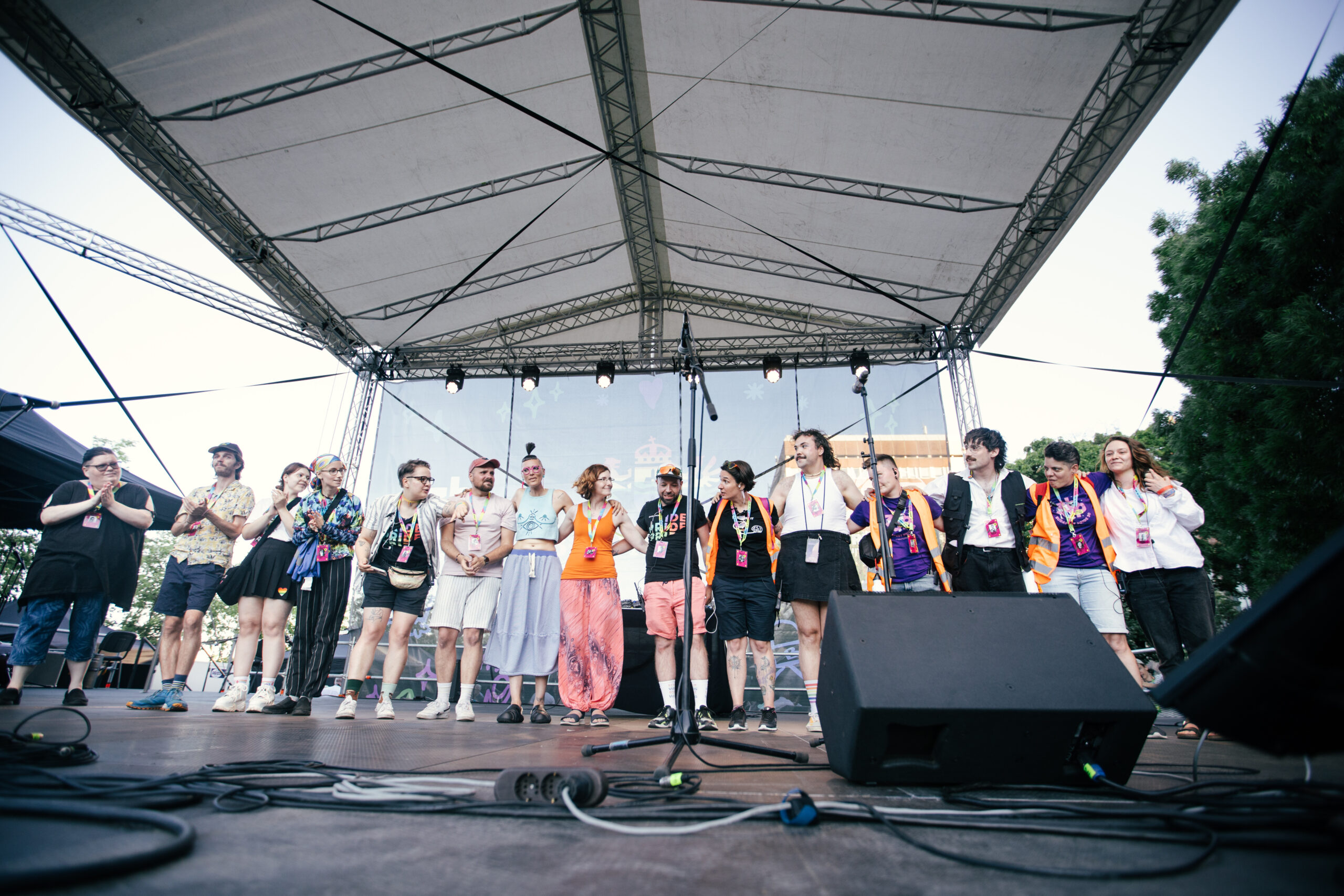
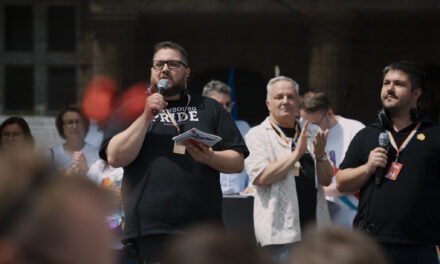
Budapest Pride Team On Stage © Beata Betfaldi
At 3 p.m., the procession set off from Városháza Park in the heart of the capital. The avenues quickly filled with nearly 200,000 participants. It was not a disorderly crowd, but a structured, coherent march, bringing together people of all ages, backgrounds and walks of life. It was not a march for Budapest by Budapest. It was a march for the entire country.
Groups had travelled from villages within Hungary where no LGBTIQ visibility is tolerated. Collectives came from medium-sized towns. They wore the colours of pride, but also those of a country in resistance.
What we witnessed that day went far beyond the scope of a demonstration. It was a civil society that had long been restrained, long been silent, choosing to speak out collectively. It was proof that Hungary can not be reduced to Orbán or his government. That European values still find vibrant, powerful roots in the population.
Our presence as Members of the European Parliament was not symbolic. It was strategic. It sent a message to those in Brussels who are still hesitant to act. To those who, in the name of institutional balance, tolerate the unacceptable. On that day, we marched to remind people that Europe is not just a market. It is a space of rights — and when those rights are trampled, we have a duty to respond.
We heard the voices of the Hungarians, their pride at seeing the European flag again in this march. Not because our presence solved everything. But because it showed that Europe sees them. That they are not alone. That their struggle is also ours.
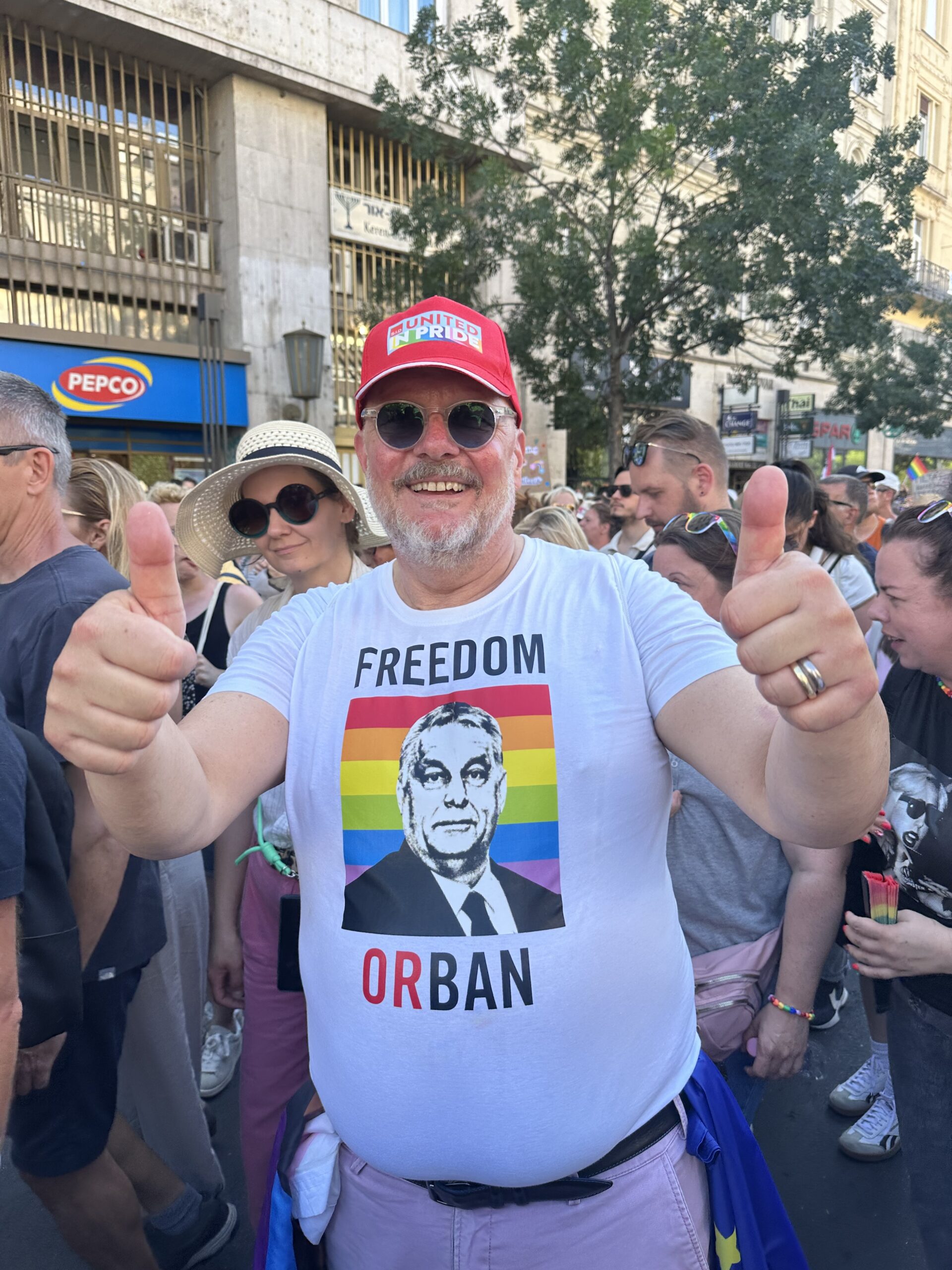
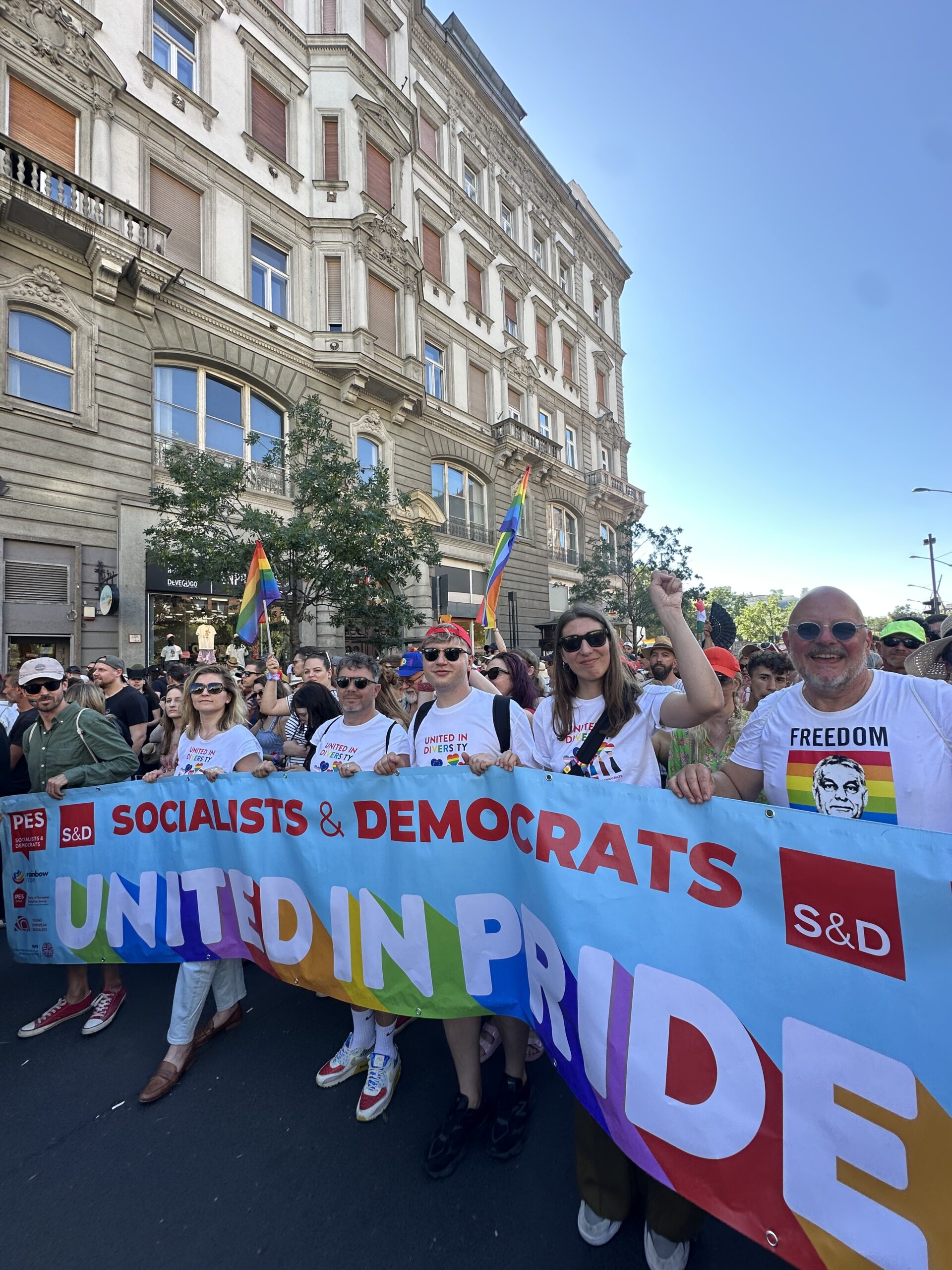
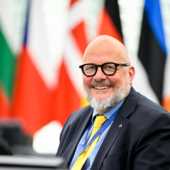
Marc Angel at Budapest Pride 2025 © Marc Angel Private Archive
What happened in Budapest is not anecdotal. It is not just another march. It is a political turning point, a tipping point in the collective consciousness of a people. Pride 2025 will remain as the moment when a significant part of the Hungarian population openly said no. No to fear. No to division. No to propaganda. And above all, yes to another version of Hungary.
All along the route, in cafés, on pavements, at crossroads, conversations continued. The city was filled with the same energy, the same spirit. This Pride went beyond LGBTIQ issues: it became a lever and a revelation for a broader struggle.
This was not a festive Pride like any other. It was a moment of truth, a collective turning point where society became aware of what was at stake. Where the masks came off. Where people understood — in their bodies, in their daily lives — the true face of Orbán.
On that day, Budapest vibrated to the rhythm of a march for freedom and democracy. An intergenerational march, where young people, older people, allies and members of the LGBTIQ community came together to proclaim with one voice their commitment to the rule of law.
As I marched, I felt this truth: every right won is a step forward. And every step counts.