 English
 Français
 Deutsch
Between a small German village and the city that lets me be myself
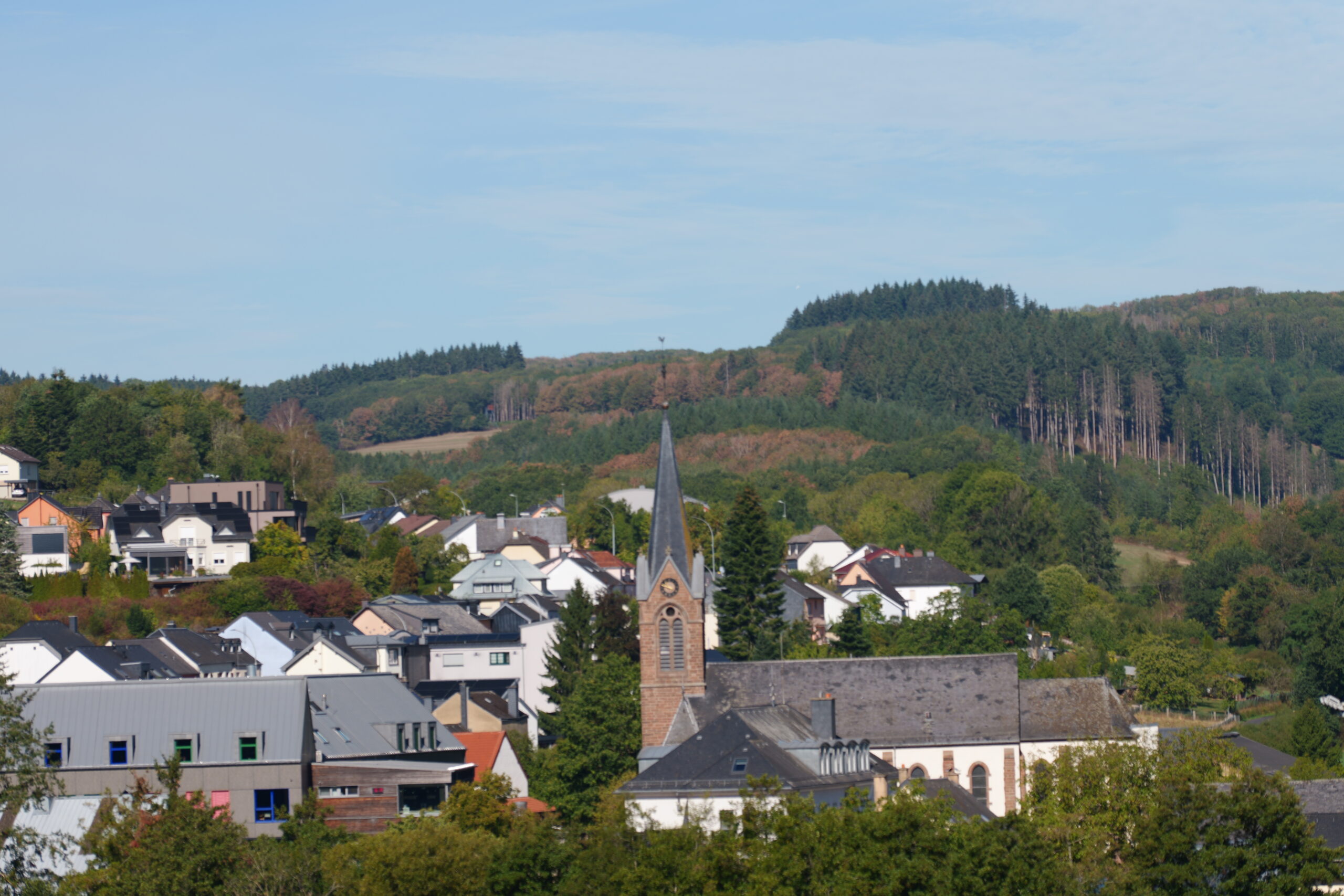
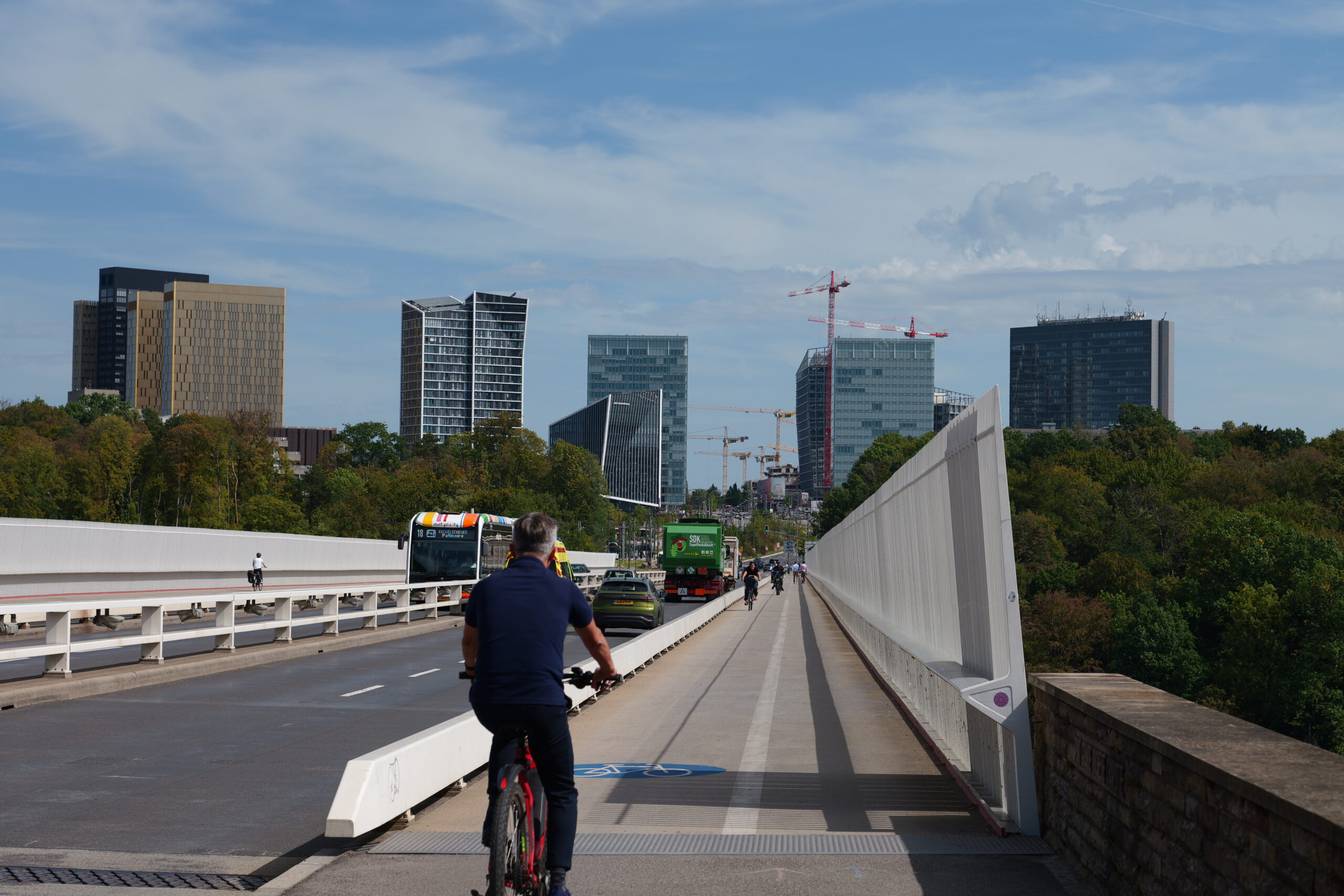
When I ride home from the train station, there’s this one moment that I’ve come to know very well by now. I come out of the woods on my bike, ride along the dirt road, and see the first houses of my village. Then I go up that little hill, and the bike path turns back into a regular road.
Nothing really happens there. But something happens in my head every single time. It’s as if someone were flipping a switch. One moment I was out and about—somewhere between school, the city, friends, or maybe even Luxembourg—and suddenly I’m back in the village.
And I actually like my village. Many people probably imagine something romantic when they think of a village, and to be honest: a lot of that is actually true. We have about a thousand residents. There’s no Edeka anymore, no gas station—actually, almost nothing except houses, fields, and a lake. When I step out of the house, the water is less than a hundred meters away. It’s beautiful there in the summer. On my street, sometimes it feels like a quarter of an hour goes by without a single car passing by. It’s quiet. You can hear the birds, the wind, and sometimes a tractor.
I grew up here and had a really wonderful childhood. Still, there’s this other feeling. This feeling that everyone knows everyone else and that anything that’s even slightly different stands out immediately.
I think the difficult part isn’t necessarily overt homophobia or the rejection of queer people in general. Of course, those things exist too. There are people in the village where you know pretty much exactly what they think of queer people. There are people who are very open about their political views.
But sometimes I find this constant scrutiny from others even more exhausting. Or maybe it’s just the feeling of being watched.
When two people run into each other on the street, they chatter. That’s how we say it around here. There’s always chatter. “Have you heard? Have you seen? He’s doing that now. She’s working there now. He’s suddenly walking around like that.” Why is he doing that?
All of this, of course, in the typical Kurpfalz dialect—if you don’t speak it, you don’t really belong. You’re an “outsider.”
It’s often not meant maliciously, but you quickly realize that everything is being noted.
Since I’ve been going to school in another city, I’ve basically been living two lives. In the morning I leave the village, and in the evening I come back. I basically only sleep at home anymore; otherwise, I’m always on the go. Everything else—except sleeping—happens outside the village. My friends, school, my music and sports clubs, field trips, Luxembourg.
Sometimes I feel like these worlds should have as little to do with each other as possible. When I bring someone from school back to the village, I immediately start thinking about who might see us. Not because I’m doing anything forbidden. Just because I know how quickly rumors spread.
Sometimes I feel like these worlds should have as little to do with each other as possible.
I also notice that I’m changing. This might sound strange, but when I run into certain people, I automatically become more cautious.
A few weeks ago, I ran into a neighbor who’s known in the village for her rather right-wing views. It was actually just a normal encounter on the street. But immediately, I started walking differently. Straighter. My voice became a little deeper. I used more dialect. I projected more outward self-confidence. Almost exaggeratedly masculine.
I mustn’t come across as “soft”—I mustn’t do anything that might make her think I’m into guys.
It happens automatically. I don’t actively think about it. It just happens.
And that’s exactly what makes me sad sometimes. Not because I’m ashamed of myself—I actually like myself. But because I realize that I’m constantly thinking about how I come across to others.
Sometimes I imagine what it would be like to have a boyfriend someday and just walk through the village with him. Not out of protest. Not to prove anything to anyone. Just going for a walk like any other couple.
And if I’m honest, I can barely imagine it. Not because I don’t want to, but because I immediately picture the stares. Isn’t that sad? Maybe all of this is why Luxembourg has become so important to me: I was there for the first time in 2019. Back then, as an eight-year-old boy with my grandparents. I was still pretty young and couldn’t explain at all why this country fascinated me so much. But there was something about it that made me ask my grandparents to take me on a day trip to such a faraway city.
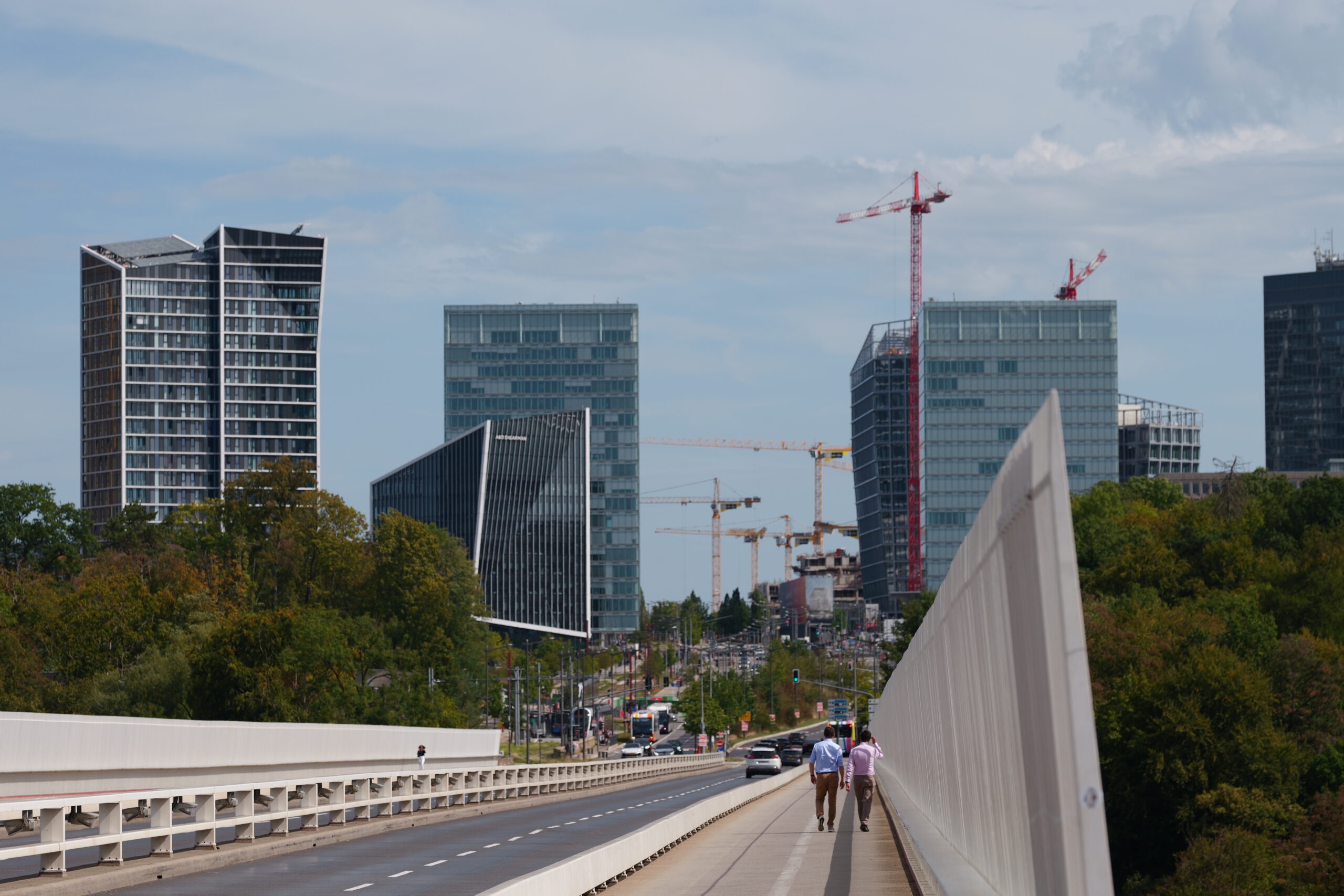
The city seemed open. International. Construction was happening everywhere. People spoke different languages. It was completely different from anything I’d known up to that point in my small, sheltered world. After that, I always wanted to go back.
When I was ten, I started learning Luxembourgish. It was a bit of a struggle, but I’m still passionate about the language to this day. Later, I added French, and now French is probably even the language I associate most with Luxembourg.
I mean, I’d like to live in France one day and eventually in Luxembourg as well. I actually speak French better than English—I’m taking my high school graduation exams in French, and so on. It became the language of my heart.
Today, I travel there about every four weeks. A lot of people probably think that’s crazy—after all, it’s almost 300 km each way.
For me, it’s become completely normal to get up at four in the morning, hop on the train, and spend several hours traveling. And every time, something happens as soon as the doors close. I’m sitting there on the train with my backpack and suddenly feel like I’m leaving everything else behind: school, the village, expectations, stress, worries. Of course, they don’t disappear completely. But they’re far enough away that I can take a deep breath for a day, that I can step back.
This became especially clear to me during my first visit to the Rainbow Center. I’d spent ages beforehand wondering whether I should even go in. I read reviews, looked at pictures, and imagined all kinds of scenarios so I could walk in feeling a little more at ease. When I finally stood in front of the door, I was incredibly nervous. I looked around to make sure no one was watching me or staring at me strangely because I was going in there. These were actually pointless worries in my safe space in Luxembourg, but these are exactly the consequences of growing up and living in a small German village. But then I just walked right in.
A staff member came straight up to me and asked kindly if it was my first time there. I said yes, trembling slightly, but trying not to let it show. I’d actually just wanted to take a quick look. In the end, we ended up talking for a long time. And I still remember how strange that felt.
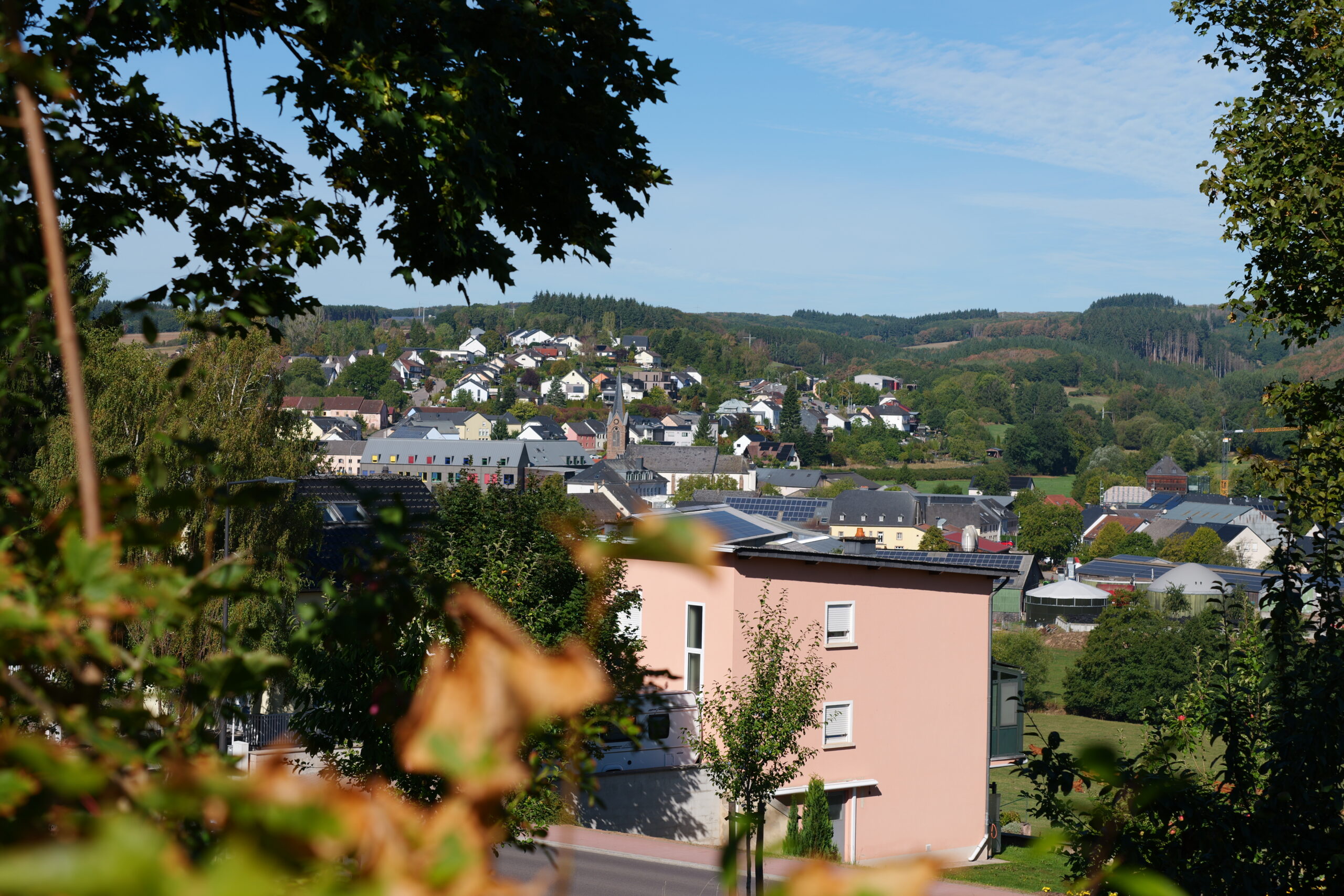
For the first time, I was able to talk openly with another queer person about things I usually had to deal with on my own. At some point, I mentioned that there are family members who probably won’t accept me. That it’s on my mind. That it hurts me. And his response to that has stayed with me to this day. He said the problem wasn’t how I could fit in better. The only important question was whether I wanted to spend my whole life pretending to be someone else just to make others happy, only to realize in the end that it doesn’t work anyway. That you can never make everyone happy—and you don’t have to. When I was back outside later, the city felt somehow different. But maybe it wasn’t the city that had changed. Perhaps it was me.
By now, Luxembourg is no longer just a travel destination or just any place: Now, whenever I take the L40 from Saarbrücken across the border into Schengen and see those first familiar streets, I always feel like I’m coming back. Not “home” in the traditional sense. My family doesn’t live there. I didn’t grow up there. But it has nonetheless become a place where I feel safe. And that’s why it’s still, in a way, a little bit like coming home.
To “my” Luxembourg.
To the city I know better than Heidelberg, which is only 15 minutes away from where I live.
Sometimes I think I live between two worlds. There’s the village I love, which will always be a part of me. And there’s Luxembourg, which has shown me that things can be different. If I could say something to my village today, I’d probably say: Thank you. Thank you for my childhood, for nature, for the memories. But I need a little more space than you can give me.
And I’d simply thank Luxembourg for the fact that there, I don’t have to think about who I’m supposed to be. There, it’s enough just to be myself.