 English
 Français
 Deutsch
Art & Culture · Books
Five Must-Read Books with Disability Representation
Many people treat the category of disability as a distant island, completely removed from their own reality – a destination they choose not to visit. “Illness is the night side of life, a more onerous citizenship. Everyone who is born holds dual citizenship, in the kingdom of the well and in the kingdom of the sick. Although we all prefer to use the good passport, sooner or later each of us is obliged, at least for a spell, to identify ourselves as citizens of that other place”, Susan Sontag wrote in Illness as Metaphor.
Books do not exist solely to assure us of our own reality and experiences, but to expand the ways we see the world. Society often treats disability as some otherworldly category that only happens to subjugated Others, when in reality it is more probable that it will reach all of us. When disability is discussed, it is done through fear, stigma, disgust or shame. This happens, in part, because capitalist society values only those who subscribe to normative forms of productive lifestyles. Rarely do we hear about the beauty and wisdom found in disabled communities – from art to activism to accessibility to community to survival. They are grounds for profound expansion and resourcefulness.
Queer disabled activists, such as Audre Lorde and Marsha P. Johnson have reshaped the discourse of disability beyond shame, suffering and grief. Disability justice isn’t a separate movement from other forms of struggle, it sits at the very intersection of racism, homophobia, sexism, transphobia, and more. As Leah Lakshmi Piepzna-Samarasinha explains, it “understands that all bodies are unique and essential, that all bodies have strengths and needs that must be met.” If you want to include books that explore disability in your reading list, I’d recommend these five titles – all queer, except for one.
The Cancer Journals by Audre Lorde
The Cancer Journals is one of my favorite books, and one I’d add to everyone’s must-read list on bodies, living and systems of oppression. Through journal entries, Lorde recounts her experience with cancer and mastectomy, while holding the political and personal in the same hand. She shows how putting words to her experience, challenging patriarchal stereotypes attributed to femininity and beauty, and sharing her experience with the world, helped her expose the many truths that come with cancer. “Black, lesbian, mother, poet” – Audre Lorde lived her truth, and wished the same for many of us.
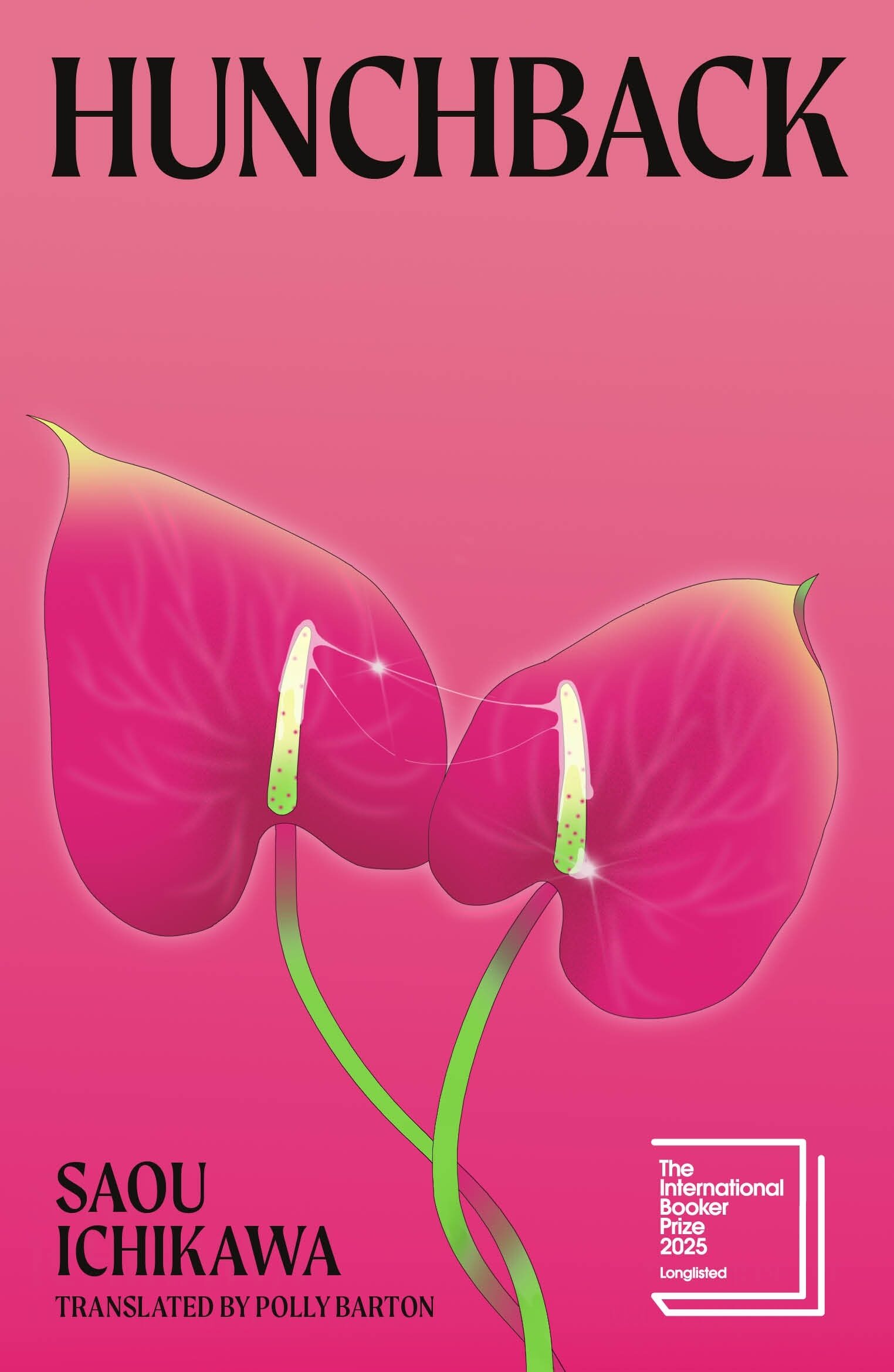
Hunchback by Saou Ichikawa
Over ninety-six pages we follow Shaka Isawa, who was born with congenital myopathy. In her early forties, she lives in a care home and relies on her electric wheelchair and ventilator. Her everyday life happens online: a distance-learning university degree, writing of erotica stories, and tweeting provocative fantasies and frustrations. In a society so set on infantalising disabled people, and denying them sexual agency, Ichikawa reminds us that many disabled individuals are very much sexual. The author also reminds you that disabled writers don’t owe legibility to non-disabled readers. Ichikawa is very descriptive and detailed about the daily challenges of living with a severe disability, and does not soften Isawa’s story for an able-bodied audience.
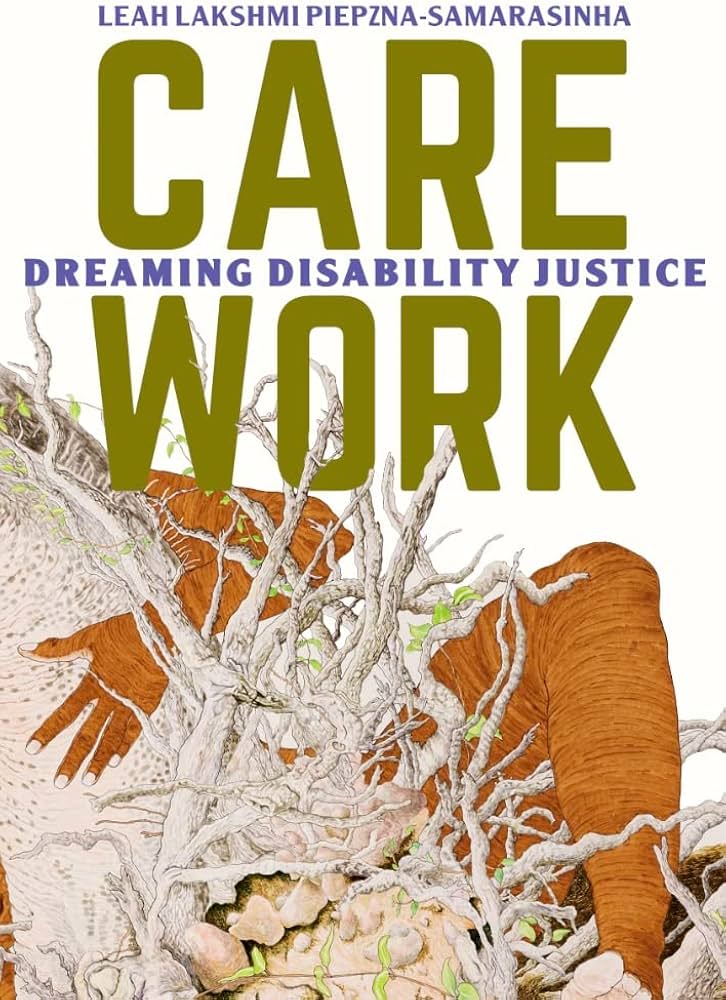
Care Work by Leah Lakshmi Piepzna-Samarasinha
This collection of essays explores how the disability justice framework can reshape the way we think about care and access, centering queer and trans people of color. Lakshmi Piepzna-Samarasinha exposes ableist and capitalist ideologies by sharing the wisdom behind disability justice work, and the importance of including disabled individuals in shaping a better world for everyone.
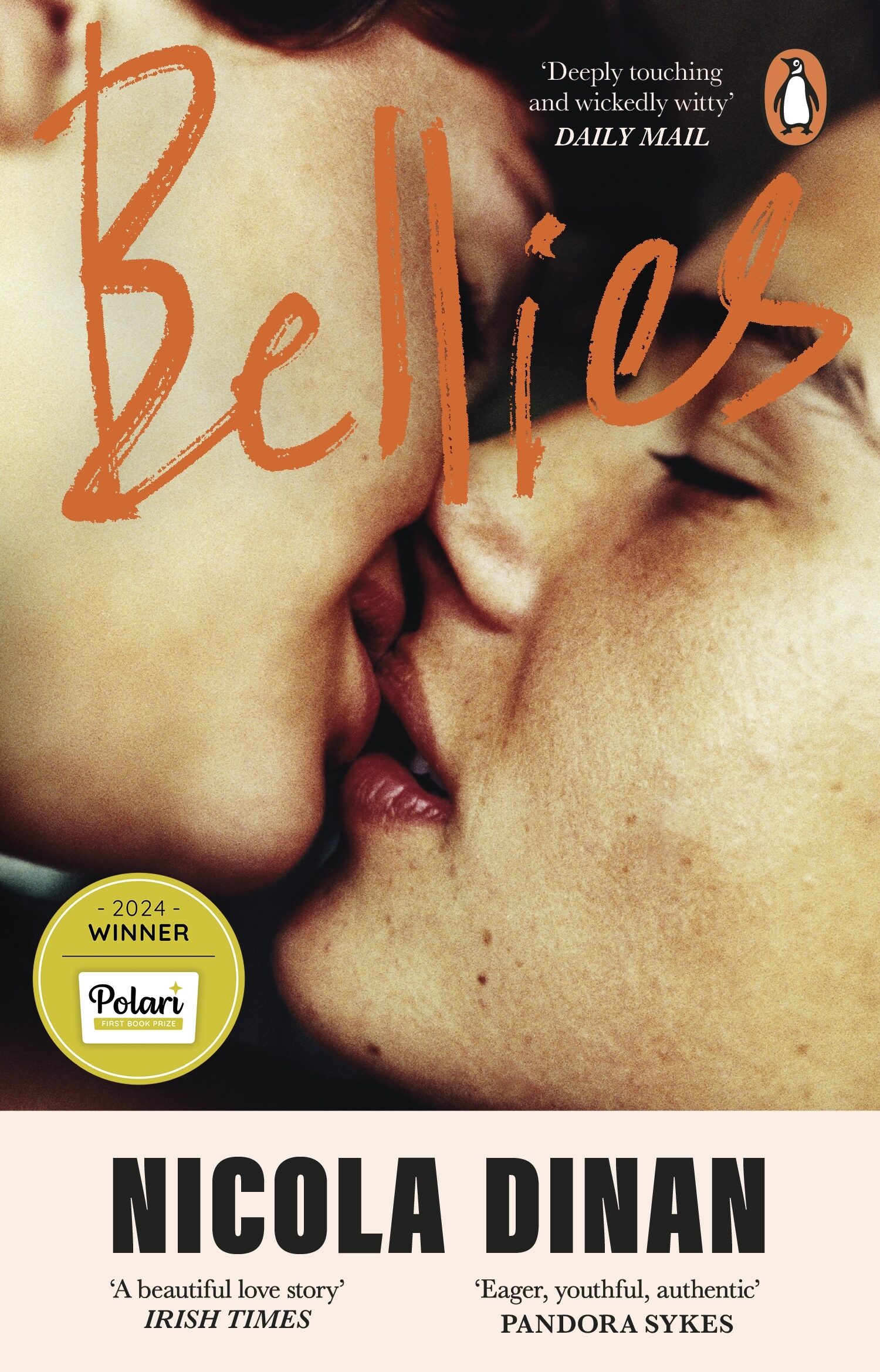
Bellies by Nicola Dinan
Tom and Ming deeply love each other, and their growing relationship is made richer by the close friends who support them. When Ming shares her intention to transition, they all learn to navigate this new ground together. Bellies is a testament to the importance of friendship and one of the most realistic representations of OCD I have yet encountered in a book. Ming’s OCD experience is raw, honest and representative of the many forms OCD can take. Bellies speaks of the complexity of being, or more so of how hard life can be and how we somehow still manage to make it beautiful.
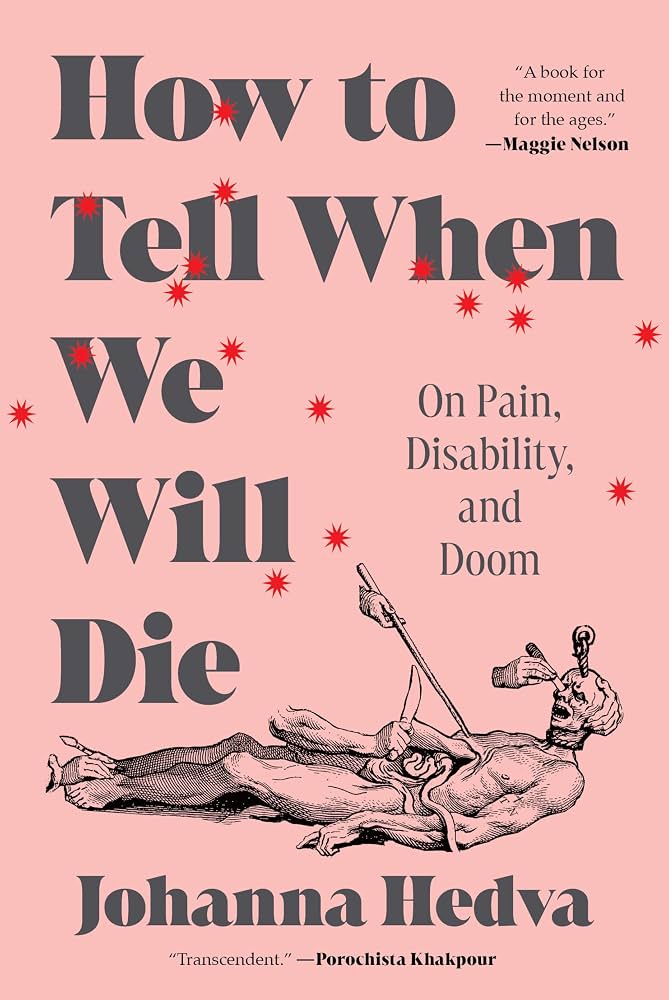
How to tell when we will die by Johanna Hedva
A collection of essays – including one of my absolute favorite pieces “Sick Woman Theory” – that speaks of disability justice, while covering a vast array of themes, such as queer identity, astrology, goth culture, kink, and more. Hedva manages to connect an essay about Susan Sontag to a conversation about disability, which remains one of their most impressive qualities as a writer – to demonstrate how all facets of culture are interrelated to ableism and capitalism. They remind us that sooner or later all of us will become disabled, and that it is important we build a world that cares for our vulnerabilities.