The old cinema hides in plain sight on Rue du Fort Neipperg, its façade cracked and sun-bleached, its letters barely hanging. The ticket window is still there, a small square of glass where someone once sold an entry to a different kind of world. Inside, everything smells faintly of dust, spilled beer, and the aftertaste of hope.
No one comes here for the films anymore. The projector hums, running the same reels of old Chinese war dramas, but no one watches. The real story unfolds between the seats: quick glances, shared cigarettes, the quiet bravery of hands touching in the dark.
At the ticket counter stands Bao Mei. She wears a knitted cardigan that has outlasted three winters, and her eyes hold the calm of someone who knows more than she ever says. She turns away policemen politely, laughs off curious questions, and makes sure no one leaves hurt. Her brother once came here too, before he disappeared. Now she guards the place as if it were a shrine, or perhaps a grave.
Old Second shows up every week. He works double shifts in a Chinese restaurant near the station, one of those narrow kitchens where steam fogs the windows and the sound of the extractor fan drowns out conversation. He moves carefully, as if afraid of breaking something invisible. Sometimes he stays behind after closing to wash the floors, just to be alone. For him, this cinema is the only place where time slows down long enough to remember who he was before he began crossing borders.
Yan Hua, meanwhile, lives in an apartment above a laundromat in Bonnevoie. She keeps her curtains drawn and her phone silent. On her way to work, she takes the long route, cutting through Parc Merl and pretending she does not see the couples sitting on the benches. Once, she thought love would be her escape. Instead, it became a mirror—reflecting how easily one gets lost between desire and what the world permits.
And so the story stretches across the city. Whispered conversations near Avenue de la Gare, late-night dinners in a tiny restaurant in Hollerich, secret meetings at the busy bus stop tucked behind Place de Paris. Then Kirchberg; its sterile glass towers polished by the same invisible lives we’ve followed through the story, and of Howald, where their nights end in crowded flats scented with sesame oil and plastic flowers.
The author traces it all with tenderness. He writes not of heroes or villains, but of people trying to survive the quiet violence of expectation. Each carries guilt, love, and nostalgia like invisible luggage. Each searches for a version of home they might never fully reach.
It would be easy to believe this story was written about Luxembourg. It isn’t. And yet it feels that way, with its mixture of languages, its perpetual movement, and its small apartments filled with longing. The city in this novel feels like ours, half-built, half-memory, always on the edge of reinvention.
From a conversation between Michal Hustaty (MH) and Jiaming Tang (JT), author of Cinema Love:
MH: I just finished reading Cinema Love. It took me a bit longer because I was traveling, which somehow felt fitting—the story itself is full of crossings and movement. You also moved to the U.S. from China, right?
JT: Yes. I was around two years old when my mother and I left rural Fuzhou. It wasn’t unusual then—many families were emigrating one by one. While it was just us at the time, we were part of a long chain of people leaving for the States.
MH: Do you still visit China?
JT: I used to go every few years until college. Since the pandemic, I haven’t been back.
MH: The pandemic plays a quiet but powerful role in your book. How much of that came from personal experience?
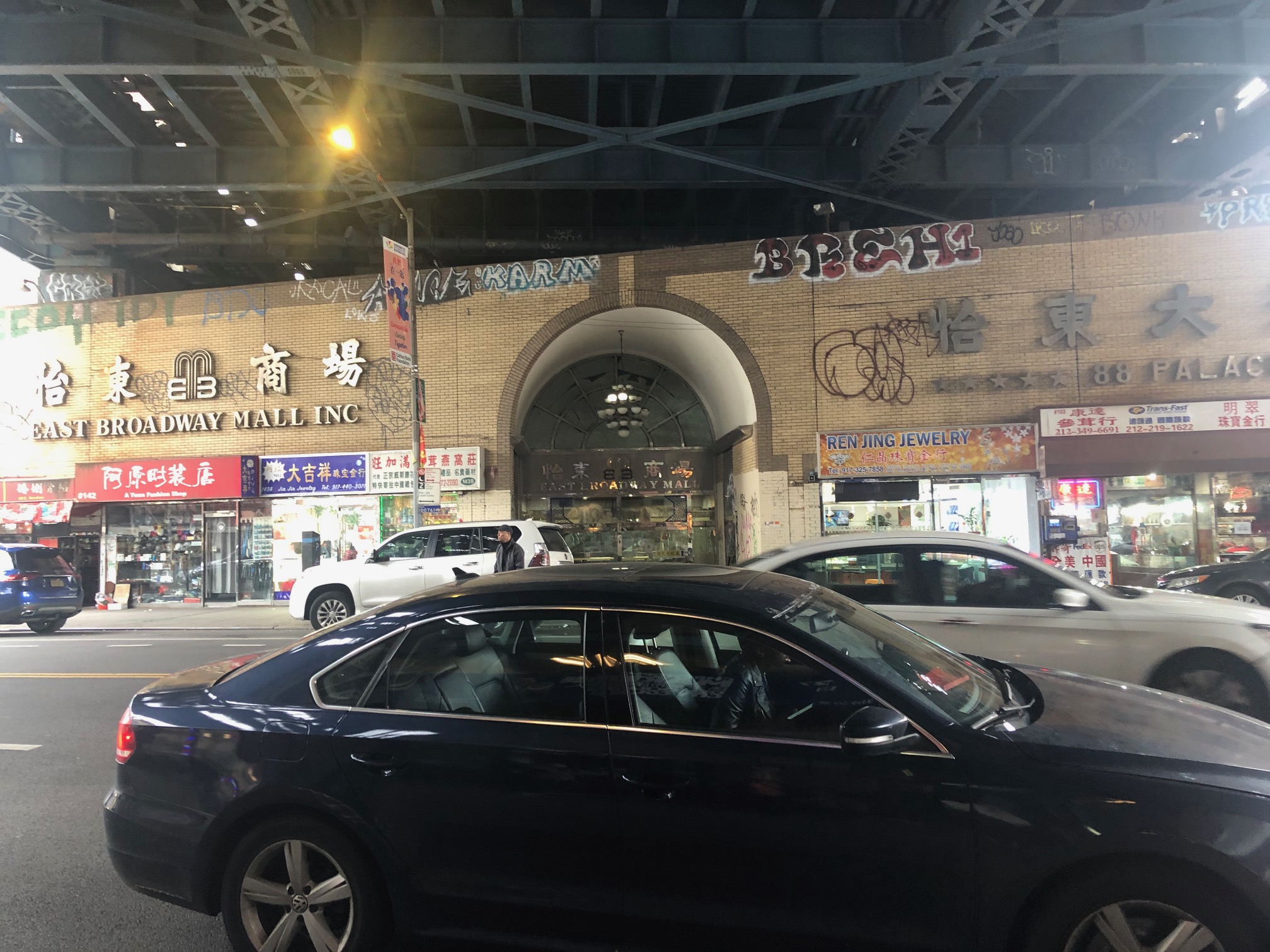
JT: Quite a bit. I started writing during the height of it, in grad school, away from New York where I lived. The Chinatown in my book—East Broadway—is an old haunt of my family’s. The pandemic reached us in fragments: a relative furloughed, a business closing, a neighbor moving away. I wrote those moments as I saw them.
MH: What was the first spark for this story?
JT: When I was sixteen, visiting China, I saw an older man touch another man’s arm at a bus stop—subtle but intimate. He was married, with children. That moment stuck with me. Years later, I began imagining his life. At first, I wanted to tell his story, but I soon became more interested in his wife—her silence, her world. The book grew from that curiosity about both of them.
MH: Many readers were struck by how much space the women take up in Cinema Love. Why was that so central for you?
JT: I think the book is really about them. My fascination has always been with the women who stand beside queer men—those who protect or challenge them. That comes from my relationship with my mother, which is loving but complicated. She knows I’m gay and treats my partners kindly, but she doesn’t speak about it. That silence shapes us both. Bao Mei and Yan Hua represent that duality. Bao Mei protects, Yan Hua betrays, but both act from love and fear. I wanted to explore that contradiction.
MH: Your characters are deeply human—never completely good or bad. Was that intentional?
JT: Definitely. I don’t believe in tidy categories. People are capable of kindness and cruelty, sometimes within the same day. When readers talk about Yan Hua’s “redemption”, I don’t quite see it that way. She has a moment of tenderness, but she’s still a homophobic woman. I think literature should allow space for people like her—flawed, small-minded, but still human.
MH: Was the Workers’ Cinema based on a real place?
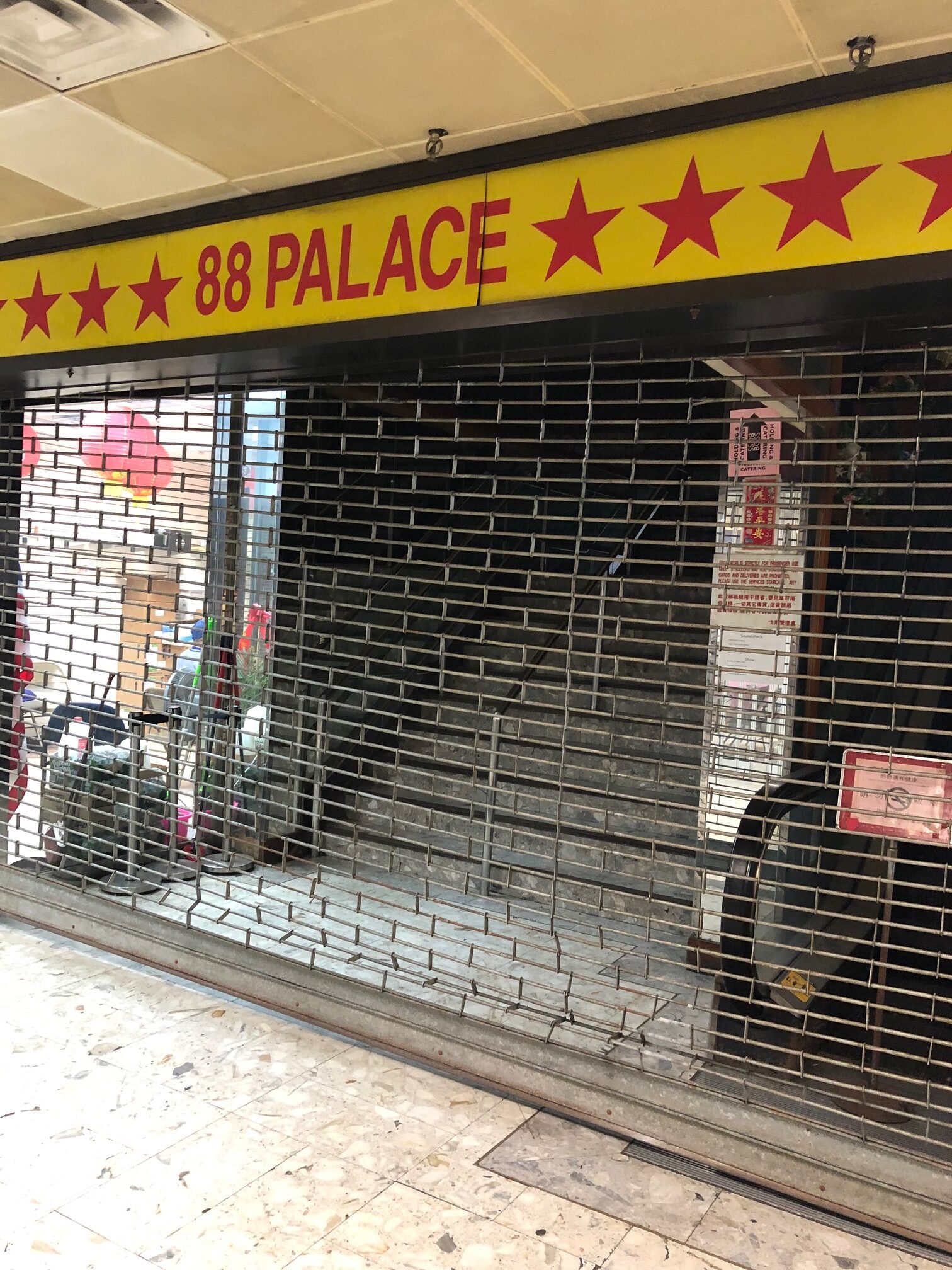
JT: Not exactly. I read a lot about queer men in China and where they met—parks, restrooms, movie theaters. The cinema felt the most appropriate of those spaces, as I also love movies. I was also inspired by Samuel Delany’s Times Square Red, Times Square Blue, about New York’s old porn theaters and the communities around them. That tenderness and curiosity about hidden lives really moved me.
MH: The book captures pain and beauty at once—emotional but never sentimental.
JT: That balance comes from how my characters live. Most are working-class, like my family—people in kitchens, factories, nail salons. Their humor, anger, and tenderness come from those realities. I’m not trying to make their world beautiful, just true. Even vulgarity has its place; it’s part of life.
MH: Did finishing the book give you closure?
JT: Maybe. Writing it was a way of dealing with homesickness for Chinatown (I spent the pandemic in China). Now that I’m back, I don’t feel that same longing. That part feels done. But the bigger questions—about class, migration, and queerness—those will stay with me.
MH: And what would you like new readers to take from Cinema Love?
JT: That it’s not meant to represent all gay Chinese people or all Chinese women. It’s one person’s attempt to understand the people he loves, through the only language he knows—storytelling. It’s 300 pages of trying to have conversations that real life doesn’t allow. And if you strip away culture and geography, it’s really about anyone trying to be understood.
Jiaming Tang’s Cinema Love is published by John Murray Press (2024)
一部温柔而萦绕心头的故事,讲述了迁徙、酷儿与爱情,无论我们选择在何处去想象它