Then, There and Them: An Exploration of Queerness as An Action of Community-Building
This art collective was created as a collaboration between the Rainbow Center and Luxembourg City Museum. It explores queerness as an act of community. In the following conversation, Leire explains how the project came together and describes what visitors can expect from the exhibition.
queer.lu: Tell me about yourself and your relationship with art?
Leire de Meer: I’m a non-binary visual artist, performer, cultural worker, curator and facilitator. I use all pronouns and have a background in Fine Art – I did both my Bachelor’s and Master’s degrees in Madrid. I love art. It connects me with my friends, time, other authors and artists. It’s this beautiful communication tool, as well as a world-making tool that I’m just very grateful for. Art is my way of understanding the world, so it’s also a very cognitive form of practice.
You are currently volunteering at the Rainbow Center. How has that been?
The reason for my time in Luxembourg is this European volunteering project at the Rainbow Center. I’m helping develop its cultural and artistic public programming – I propose ideas and have my own project. I curated an exhibition of a Brazilian-Spanish photographer. I am also the creator and facilitator of an art collective connected to an exhibition taking place in July at the Rainbow Center, as well as at the Luxembourg City Museum.
What are your intentions behind your exhibition happening in July?
The project is called Then, There and Them. I’ve been working on this kind of artistic practice for some years now. Here, I wanted to continue pursuing questions of community and I did an open call to anybody interested in questions of queerness as an action of community-building.
The project is very open. I facilitate the first sessions, but the idea is that the group creates a horizontal dynamic, in which everybody can contribute differently throughout time. Through this group, a creation of something bigger than the individual emerges – this other body has its own needs, its own thoughts, its own wishes, its own desires, and starts moving the group.
The title of this group comes from a quote by Jose Esteban Muñoz, who is a queer theorist. In his book Cruising Utopia, he describes queerness as an action – a speculation beyond the harm of the present towards a potential then and there. He says that this speculation arises from imagining a new way of being in this world. I’m very interested in this question of queerness as a longing for something else that is not yet there.
So, it’s constantly moving and you cannot really reach it; you cannot close it, you cannot put it in a box. This is where the intentions of the group come from.
And then there’s the term them, which would be the group that gathers. But, it’s also displaying the language of the they/them question; this pronoun that can be one person or multiple at the same time. It’s interesting to use language to our advantage, to play with language in a way that refuses categorization and normalization.
Could you paint a picture of the day of the exhibition?
The opening of the exhibition will be on the 9th of July but we don’t envision this exhibition as a final presentation of the group. The goal has never been about exhibiting something. It’s more about the artistic methodologies that we follow that question ideas of progress, linear time, and productivity.
We won’t show a polished finished product for somebody else to receive. I feel as queer artists, institutions expect us to create a discourse for them to understand and consume us. But we are not creating a narrative of normality to be understood.
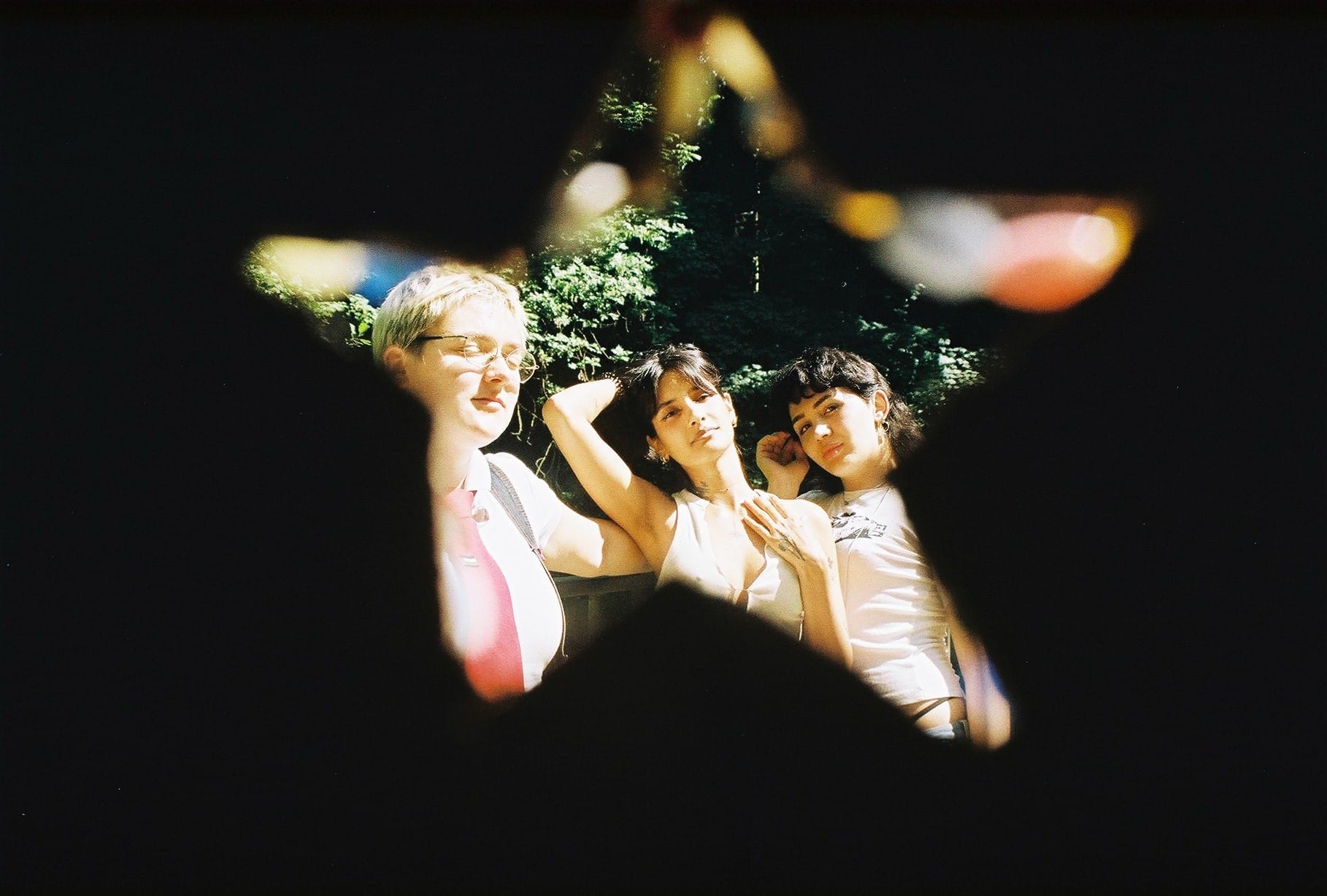
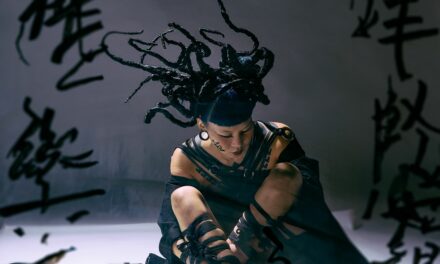
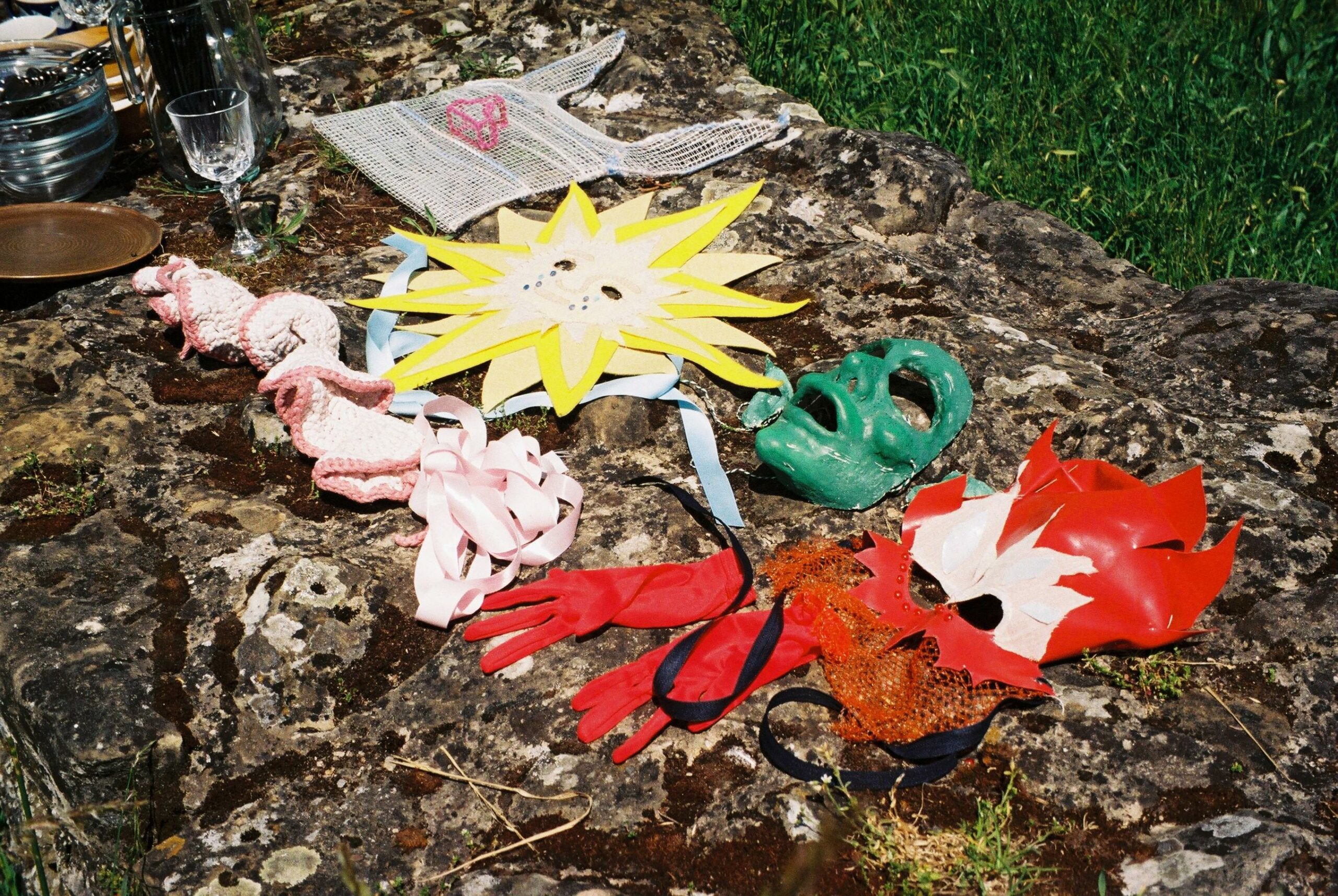
We’re going to hide ourselves. So, the whole exhibition is a question of concealment – we are working with masks. Instead of trying to make our bodies readable for the audience, we reveal something else by hiding ourselves. We play with this illegibility because the queer community has always been illegible. I think it’s more interesting and more fun to play with the negativity that we’ve always embodied as a community. By negativity I mean: anti-productivity and anti-reproduction. Western society is obsessed with categorization through visuality, so we try revealing through the action of hiding.
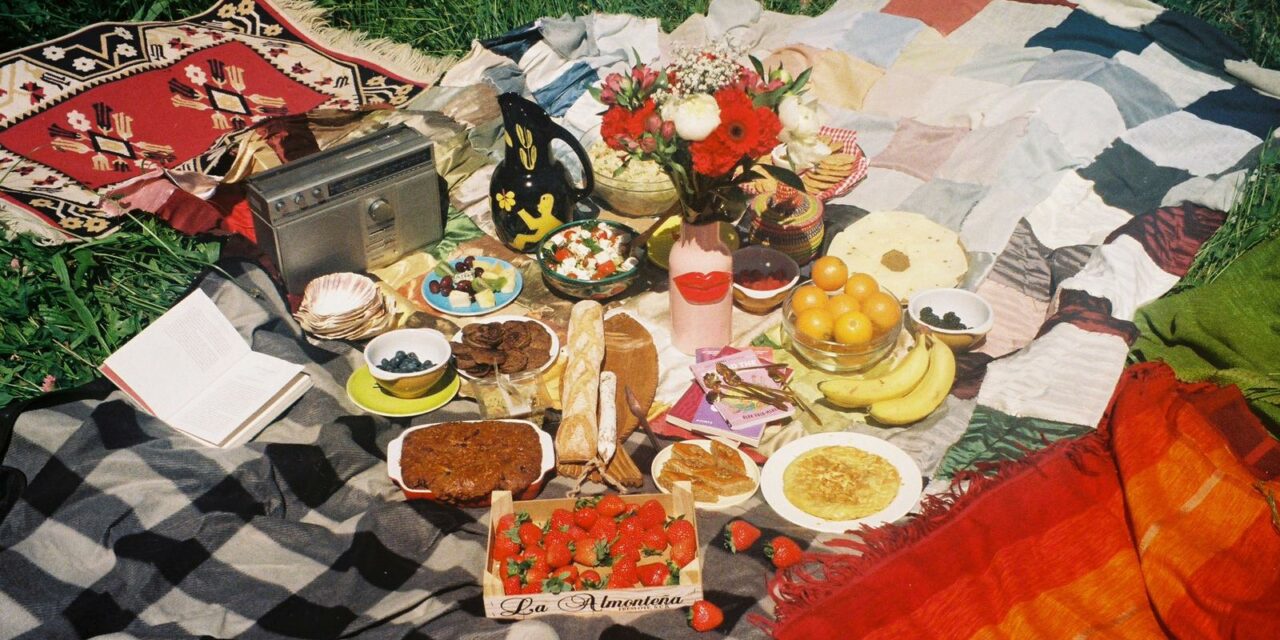
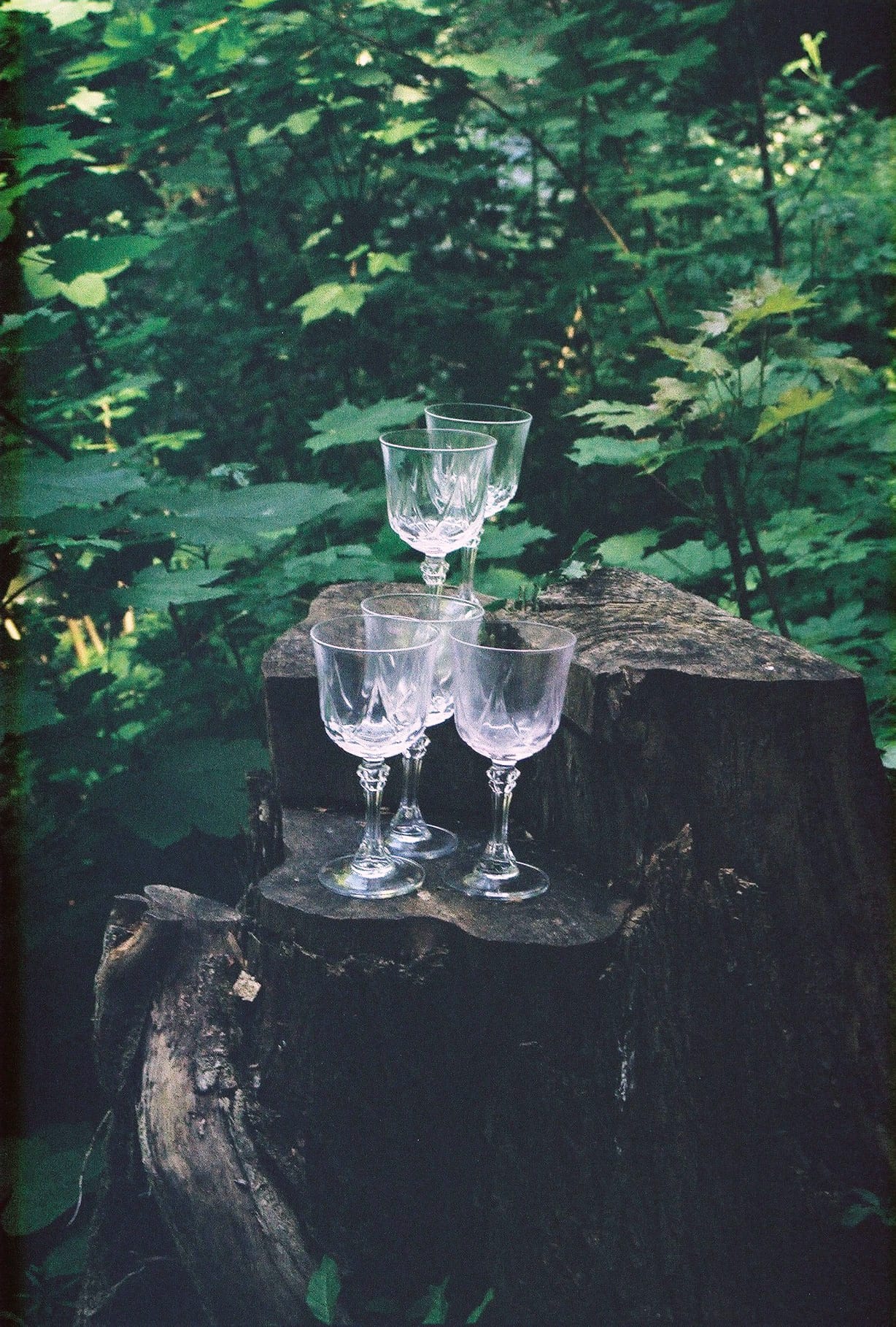
The concept of the exhibition is a picnic that some masked creatures did sometime, somewhere. So again, it’s this question of then and there. It has a lot to do with scenography and the theatrics of making scenes for us to exist differently. We will show the traces of a picnic and ask: What happens after the gathering ends? Is that a fertile ground for other sorts of gathering?
At the Rainbow Center, we will exhibit a more archival and documentary version of the collective, showing each session we have worked on. At the Luxembourg City Museum, we will present the installation piece.
Who are the participants forming this group?
The group is very diverse. We are around 15 people and always meet at the Rainbow Center or at the Luxembourg City Museum. We have been gathering twice a month since January and each session has been quite different. We always lean towards people’s interests, so it ends up being quite spontaneous.
Do you relate the spontaneity of your creative practice back to queerness?
I think the most important part of this project is the ways in which we’ve been working. I really tried not to focus our energy on being productive and this has been a challenge for the group. So, we’ve been putting a lot of effort into spontaneity and twisting things around. In our gatherings, we’ve mostly been working from images from queer photographers and image makers that use their own bodies as a surface to reveal how the body is not a stable structure to represent reality in the social world.
We often think that the body is this stable truth that can reveal who we are, and in this way we are categorized and gendered. But, queer artists have been using their own bodies to reveal how fragile the stability of the body actually is, and how through image making, we can destabilize representations of gender.
Visual references are the ground we stand on. The question of genealogy is very important to me – we don’t come from nothing. As queer people, we stand on the ground we stand today, because so many other people have paved the way. So, a big effort of the collective has been to have this common ground discussed, viewed, received, and appreciated. We’ve been asking questions, experimenting, drawing, writing, and reading to each other in our mother tongue. We’ve just been figuring things out together, and creating a space where other things could happen that might have been impossible in a more structured space.
How did this idea come about for you? Do you see community as a piece of art in itself?
I see gathering as an artistic practice in itself. Again, I’m not interested in having the group do productive work to create an artwork, but rather, I’m interested in creating situations in which we can gather – it’s as simple and as difficult as that sounds. Of course, there is nothing new about this. Since the 1990s, people have been working on these questions. So, there’s a lot of people that inspire this, from participatory art to community art, and of course it’s related to feminist and queer questions.