 English
 Français
 Deutsch
Where does our sense of justice end?
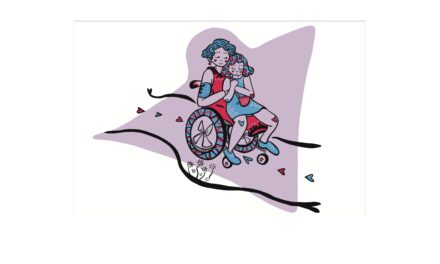
If you ask people about their views on violence, discrimination, and exploitation, most will likely react to the question itself with bewilderment. Of course, they’re against it. At the same time, many of us support a system every day that could hardly survive without violence and exploitation. Often this happens unconsciously; more often still, the contradiction is suppressed. But how can it be that we fundamentally oppose violence and yet accept it as soon as it affects certain victims?
I’m not talking about the violence and exploitation directed at humans, which still exist everywhere today. I’m talking about how we treat other sentient beings: animals. Although they are capable of experiencing pain, fear, and suffering, they are systematically exploited, turned into commodities, and killed.
Why do our moral convictions end precisely when the victim is not a human being? There is no definitive answer to this question. However, a psychological concept can at least partially explain this contradiction: cognitive dissonance. This refers to an unpleasant internal state that arises when our beliefs and actions are not in harmony with one another. This is precisely what is evident in our relationship with animals. Many people would say that they love animals and reject their exploitation. Yet many of us are unwilling to give up our schnitzel, cheese, or breakfast egg. This conflict between compassion and consumption is referred to as the “meat paradox” in a study by the University of Kent (2010).
Most people are fundamentally aware that animal-based foods come from sentient beings. In everyday life, however, this connection is often suppressed. Our language also contributes to this: We speak of “meat” and “products,” not of corpses or killed animals.
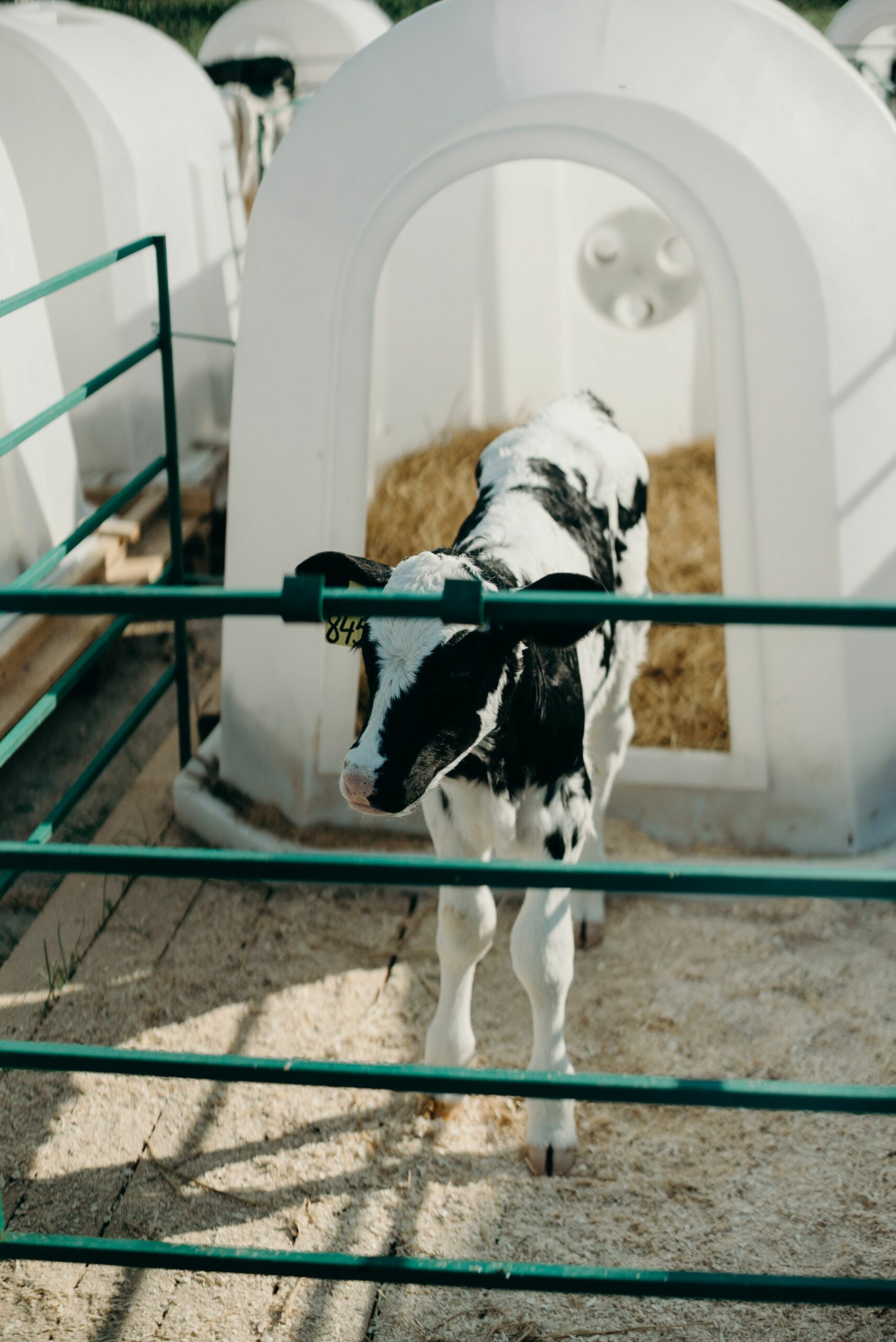
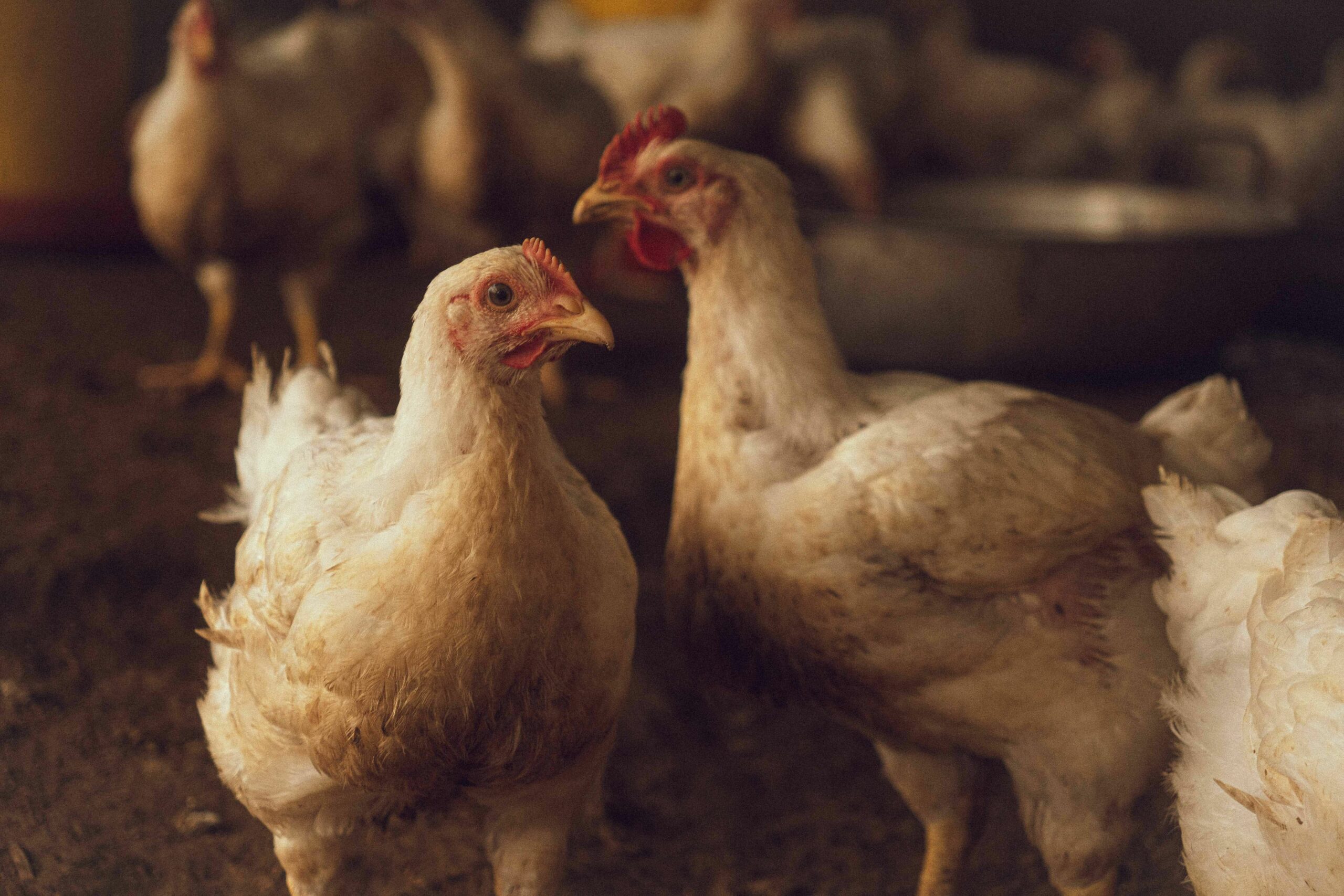
Another way to downplay the contradiction is to attribute less intelligence, feelings, or capacity for suffering to so-called farm animals. Scientific findings show, however, that many animals experience pain, fear, and stress and possess complex mental and social abilities. That aside, intelligence should not determine whether a living being should be protected from violence in the first place. An animal does not suffer any less simply because it cannot solve a math problem or express its feelings in human language. Anyone who has ever accidentally stepped on a dog’s paw has likely clearly recognized its reaction. It’s no different with so-called “farm animals.” Whether a cow, pig, or chicken: they, too, react through their behavior to injury, fear, and stress. Their experiences do not have to be exactly like ours to be morally significant. Differences between humans and animals do not automatically give us the right to exploit them.
This isn’t just about physical pain. In numerous animal species, we can observe joy, fear, stress, social bonding, and grief-like behavior. They communicate their feelings through sounds, movements, glances, and changes in their behavior. And in fact, we don’t need words to recognize pain and strong emotions. We do not wait until young children or people who cannot speak are able to explain their suffering verbally before protecting them. Why should we suddenly apply a different standard to animals? The decisive factor should not be whether a living being is human or speaks our language, but rather whether it can feel and suffer. Is pain less significant when it is felt by animals rather than by humans?
Is pain less significant when it is felt by animals rather than by humans?
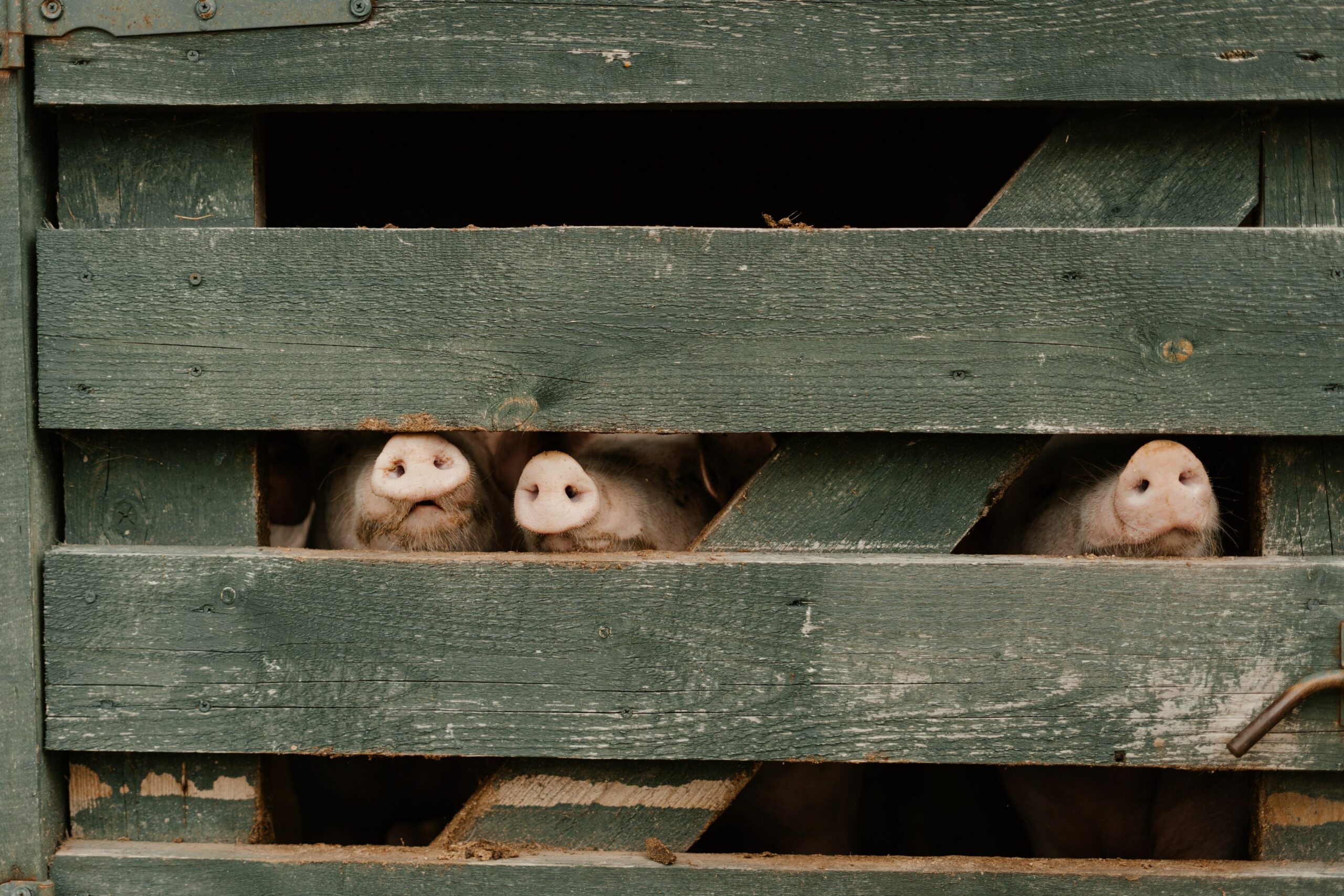
In 1970, British psychologist Richard D. Ryder first coined the term “speciesism” to describe the different ways we evaluate human and animal suffering. This refers to the discrimination against or devaluation of living beings solely on the basis of their species. Speciesism is particularly evident in our different treatment of pets and so-called farm animals. In Luxembourg, it would be unimaginable for most people to kill a cat and serve it as food. Yet when it comes to a pig—which is also capable of experiencing pain, fear, and social bonds—this is considered normal. The cat is a family member, whereas the pig is a commodity. This distinction can hardly be explained by their capacity to suffer. It is based primarily on the category into which we have placed each animal.
As humans, we wield enormous power over other animals. We decide how they are bred, where and how long they live, whether they are allowed to keep their young, and when they die. We use them for food, clothing, entertainment, cosmetics, and medical research. Underlying this is often the notion that animals exist primarily to fulfill human needs. But our power should not give us the right to exploit the weak. Rather, it should give us the responsibility to protect them.
If we want to stand up for justice and against violence, our solidarity must not end simply because a living being belongs to a different species. Precisely because animals have no political voice, cannot demonstrate, and cannot fight for their rights themselves, they depend on our protection. Just how little we have lived up to this responsibility so far is evident from a look at the numbers, and their scale is almost unimaginable.
According to data from the Food and Agriculture Organization of the United Nations (FAO), analyzed by Our World in Data, in 2022, approximately 83 billion land animals were killed for meat worldwide. That amounts to roughly 227 million animals per day—more than 2,600 every second. At the same time, the European Commission’s “Special Eurobarometer 533” from 2023 found that 84 percent of people in the EU support better protection for farm animals. So support for animal welfare seems widespread. The number of animals killed is equally staggering. It is precisely in this contradiction that we see how far apart our moral convictions and our actual actions lie. When confronted with these figures, people often look for justifications. One of them comes up particularly often: “But humans and animals aren’t the same.”
Of course, humans and animals are equal in every respect. A pig does not need the right to vote, and a chicken does not have to attend University. Nevertheless, both have a desire not to be confined, harmed, or killed. We humans value our freedom and recognize it as something precious. Animals, too, demonstrate through their behavior that they want to move freely, avoid pain, and preserve their lives. Yet we deprive them of precisely this self-determination.
We should take animal suffering just as seriously and acknowledge that pain, violence, and exploitation do not stop at the boundaries of our species. Anyone who is fundamentally opposed to abuse and the oppression of the weak should therefore also include animals in this stance.
Another argument often heard is that consumption of animal products is natural or has a long tradition. But a tradition is not automatically morally right. Throughout history, other serious injustices have also been justified by custom, social norms, or traditions. The point here is not to compare different experiences with one another. However, they do show that the age of a practice says nothing about its moral justice. Human beings have repeatedly demonstrated that they can examine and change social norms. Why does this willingness end, of all things, at the schnitzel on our plate?
Queer movements have repeatedly shown that social norms are not immutable. They have challenged ideas about which bodies, relationships, and ways of life are considered normal, valuable, or worthy of protection. The experiences of queer people cannot be equated with the exploitation of animals. Nevertheless, there is a fundamental lesson to be learned from queer struggles: liberation begins where seemingly natural hierarchies are questioned. And solidarity becomes genuine when it does not end at the boundaries of one’s own identity or, in this case, one’s own species.
Ultimately, it’s not about becoming morally perfect overnight. It’s about no longer pushing aside the contradiction between our beliefs and our actions. If we fundamentally reject violence, exploitation, and the oppression of the weak, we must not look away as soon as those affected are not human beings. The responsibility lies with us: We can question our habits, forgo animal products, and support alternatives that do not rely on the exploitation of animals. Perhaps change begins simply by no longer seeing only the finished product, but rather the living being behind it.
Because the crucial question is not whether animals are similar enough to us to deserve our protection, but rather whether our concept of justice extends far enough to acknowledge their suffering as well. Justice that ends at the boundaries of our own species cannot be justice in any consistent sense.