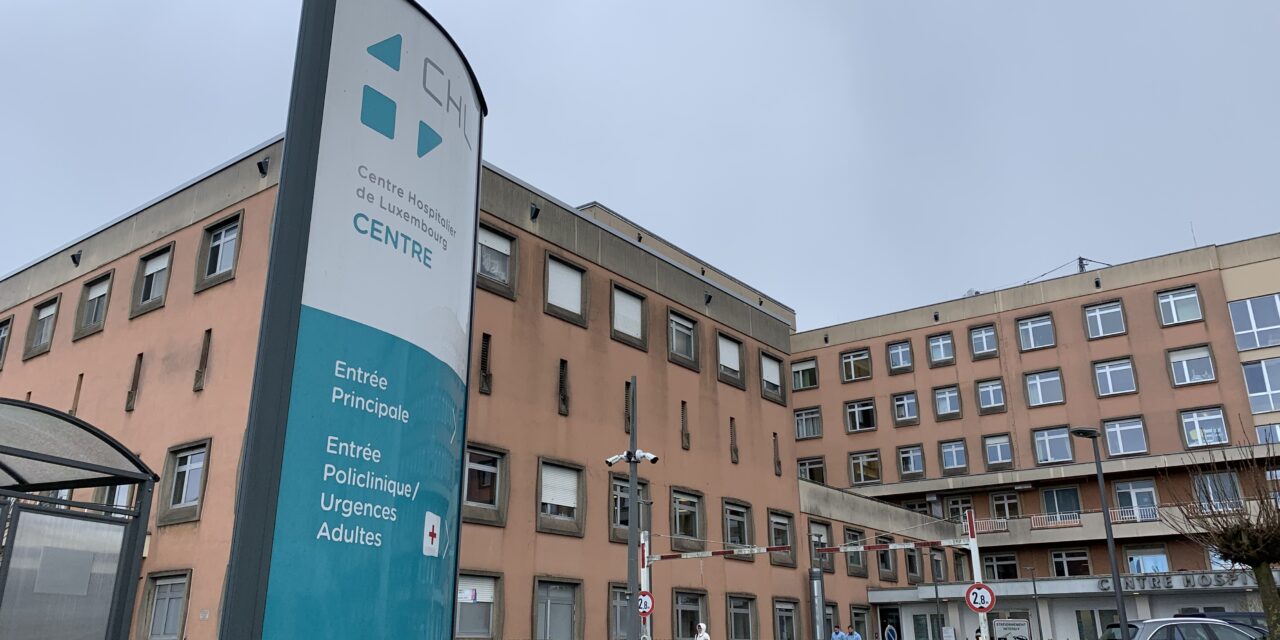
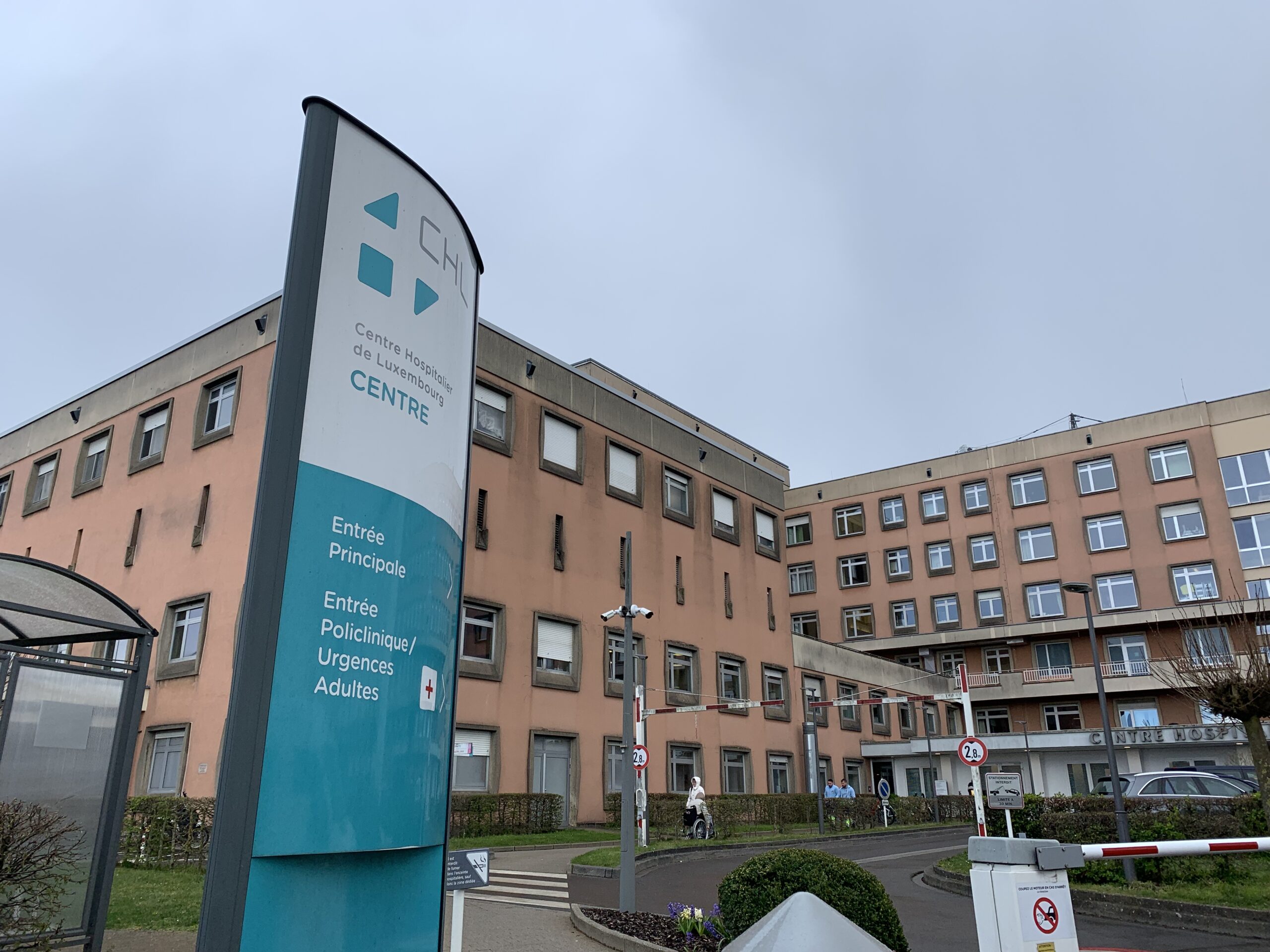
Pit Braquet meets us at the entrance hall of the Centre Hospitalier in Luxembourg City (CHL) with a smile. As part of the department for infectious diseases, he tests and treats STIs daily. An interview about blowjobs, PrEP, and a community that needs to care.

I see it here in the office — people test positive but don't have the contact info for their last five sexual partners. We often bury our heads in the sand. Community actually means caring for one another.
HIV remains at the forefront of our concerns, as it is basically the only non-curable disease in 2026. We see fewer infections among men who have sex with men (MSM). So at the moment, we need to better target the straight population with our prevention work.
The best way to overcome this anxiety is to make testing a regular habit. The longer you wait between appointments, the more daunting it feels.
PrEP is a vital protection for those who cannot or do not want to use a condom. The amount of partners is also an important thing. I'd rather you had 10 times good sex with the same partner than as much with different ones.
Besides, one needs to bear in mind that PrEP does not protect from all other STIs. Blowjobs, rim jobs, eating someone out and so on can also be vectors of transmission of an STI. So, what I would recommend is to get tested every few months. If you get symptoms like a sore throat after a blowjob; or if you have an unusual anal discharge; or if it scratches or bleeds; or if it burns when you pee — then, you should also see your doctor.
In 2025, the Red Cross and the Rainbow Center held a very productive public discussion on Chemsex. Whether individuals use chemsex as a recreational substance or as a response to depression or anxiety, we need to understand why people take pills, sniff or inject drugs during sex, and how to mitigate their health risks. Mental health issues — stigmatization, isolation, and anxiety — all intersect with sexual health.
We also need to learn how to talk again. Apps have taken away our need to negotiate or communicate. To have a constructive conversation — whether it is a one night stand or a romance — we need words. We need to be able to talk in order to have better safer sex.
Essential Guide: HIV Prevention & Testing in Luxembourg
PrEP (Pre-Exposure Prophylaxis)
PrEP is a highly effective medication used to prevent HIV infections. It's recommended for people who do not or cannot use condoms consistently.
On demand
2 pills 2–24 hours before sex, followed by 1 pill 24 hours later, and a final pill 24 hours after that. Recommended for occasional exposure (e.g., once a month).
Daily
1 pill every day. Recommended for those with multiple partners per week.
Cost
PrEP is free in Luxembourg, though appointment waiting periods may apply. Consult the CHL Infectious Diseases Department to begin.
Recommended Vaccinations
- Hepatitis A & B: For all sexually active adults
- HPV: Recommended for everyone under 30
- Mpox: Available via CHL
- Gonorrhea: Vaccine with approximately 30% efficacy
Where to get tested
- Free & anonymous: Appointments at CHL or Planning Familial
- Mobile testing: The Red Cross DIMPS van offers free testing nationwide
- Lab testing: With GP prescription refunded; without prescription out-of-pocket
Emergency: PEP
Had a high-risk exposure (unprotected sex with a partner of unknown HIV status)?
Go to the CHL or any hospital emergency department within 72 hours — the sooner, the better.
PEP (Post-Exposure Prophylaxis) is an emergency medication that can prevent HIV from taking hold after exposure.
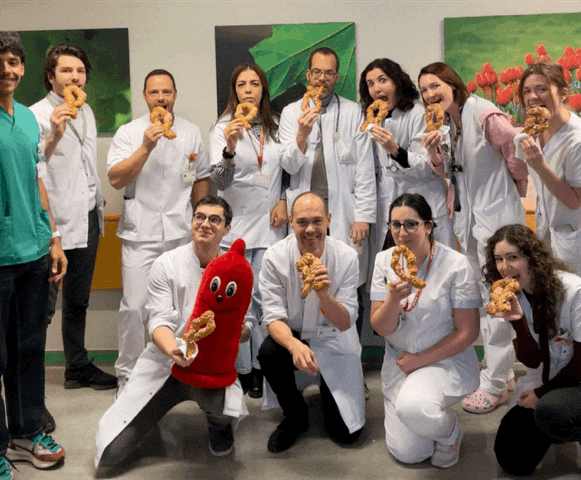
Photocredits: The team of the Service National de Maladies Infectieuses (SNMI) with Pit Braquet in their midst (first row, second from left). It was the SNMI’s submission to the Féissbook-Präis of the Love-Bretzel 2025, sponsored by Namur and organized by the Red Cross’ HIV Berodung for World AIDS Day – 2025. Photo SNMI