There are some events that begin with years of planning, committees, and carefully drafted roadmaps. And then there are events that begin because someone asks a simple question: "Why don't we have this here?"
For Trans Pride Luxembourg, that question helped spark something extraordinary.
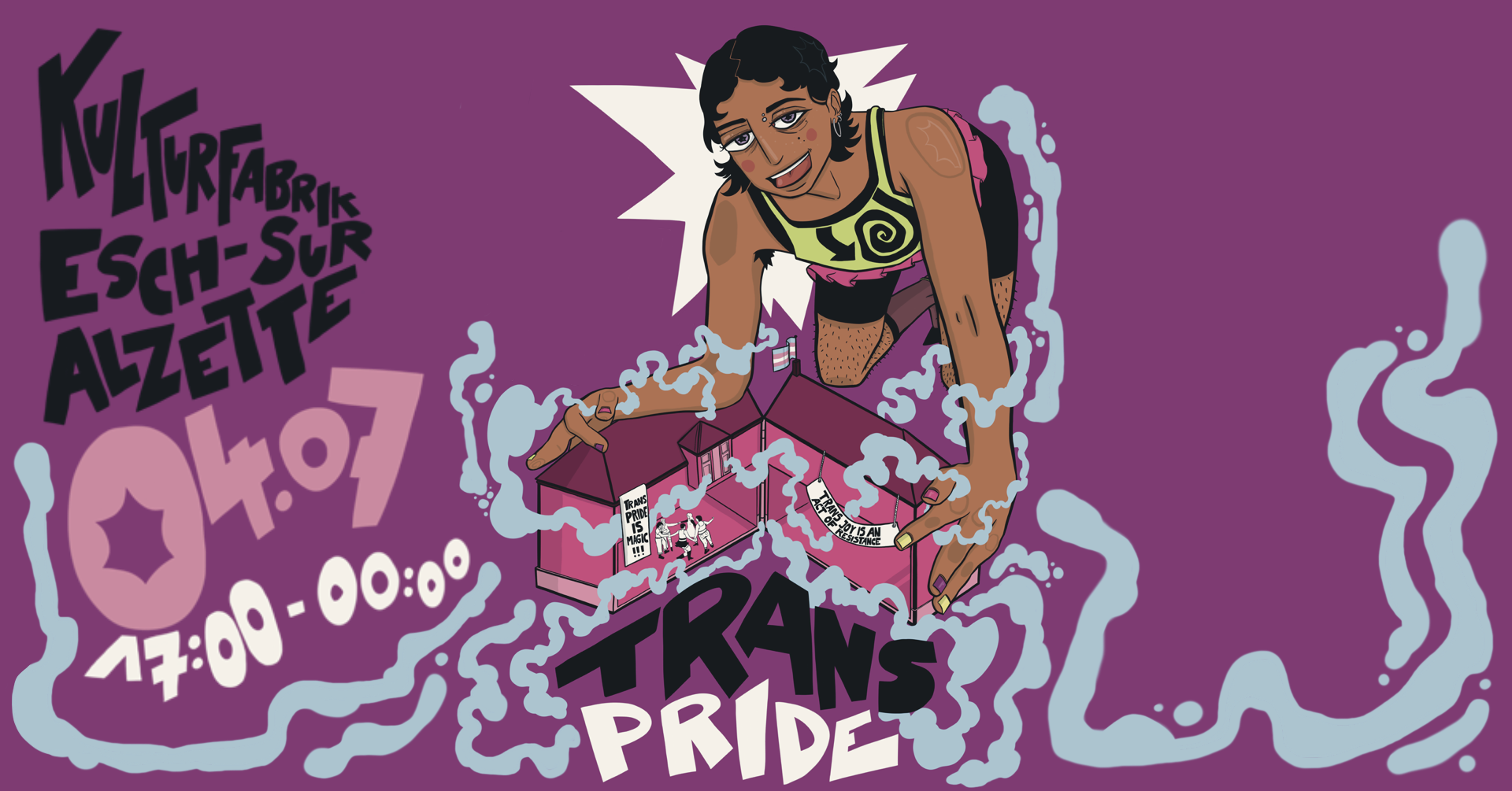
This summer, the community gathers once again for the second edition of Trans Pride Luxembourg, a celebration of trans, non-binary, and gender-diverse lives that is quickly becoming one of the most important events on the country's queer calendar. Taking place on July 4, 2026, from 5pm to midnight, at the Kulturfabrik in Esch-sur-Alzette, the event promises an evening of workshops, music, drag, community connection, and unapologetic trans joy.
But perhaps more importantly, it offers something that remains surprisingly rare: space. Space to be visible. Space to be heard. Space to exist on your own terms.
From a Conversation to a Community
The story of Trans Pride Luxembourg starts with community organizers who noticed a gap. For years, Luxembourg's queer scene has been vibrant but small, often relying on the dedication of volunteers who build spaces from scratch. Among them were the Megaphone members who began reaching out to people and organizations with an idea that seemed obvious in hindsight: Luxembourg needed its own Trans Pride.
Megaphone is an organization created with a specific focus on trans identities and the political realities of (queer) life. Together with activists, artists, and community members, they started imagining what a trans-led pride could look like.
The first edition in 2025 wasn't exactly smooth sailing. There were venue changes, last-minute challenges, and enough logistical surprises to fill a season of reality television. What was originally planned as a picnic ended up moving indoors to the Rainbow Center almost at the last minute.
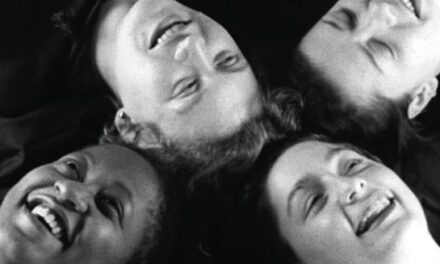
And yet, somehow, it worked. Around 70 to 100 people showed up. There was music, drag, homemade decorations, food prepared by community members, and something that can never be bought or outsourced: the feeling that everyone in the room understood why being there mattered.
For a first attempt, it was a remarkable success. For many attendees, it was the first time they had experienced a public event where trans people weren't simply included—they were the focus.
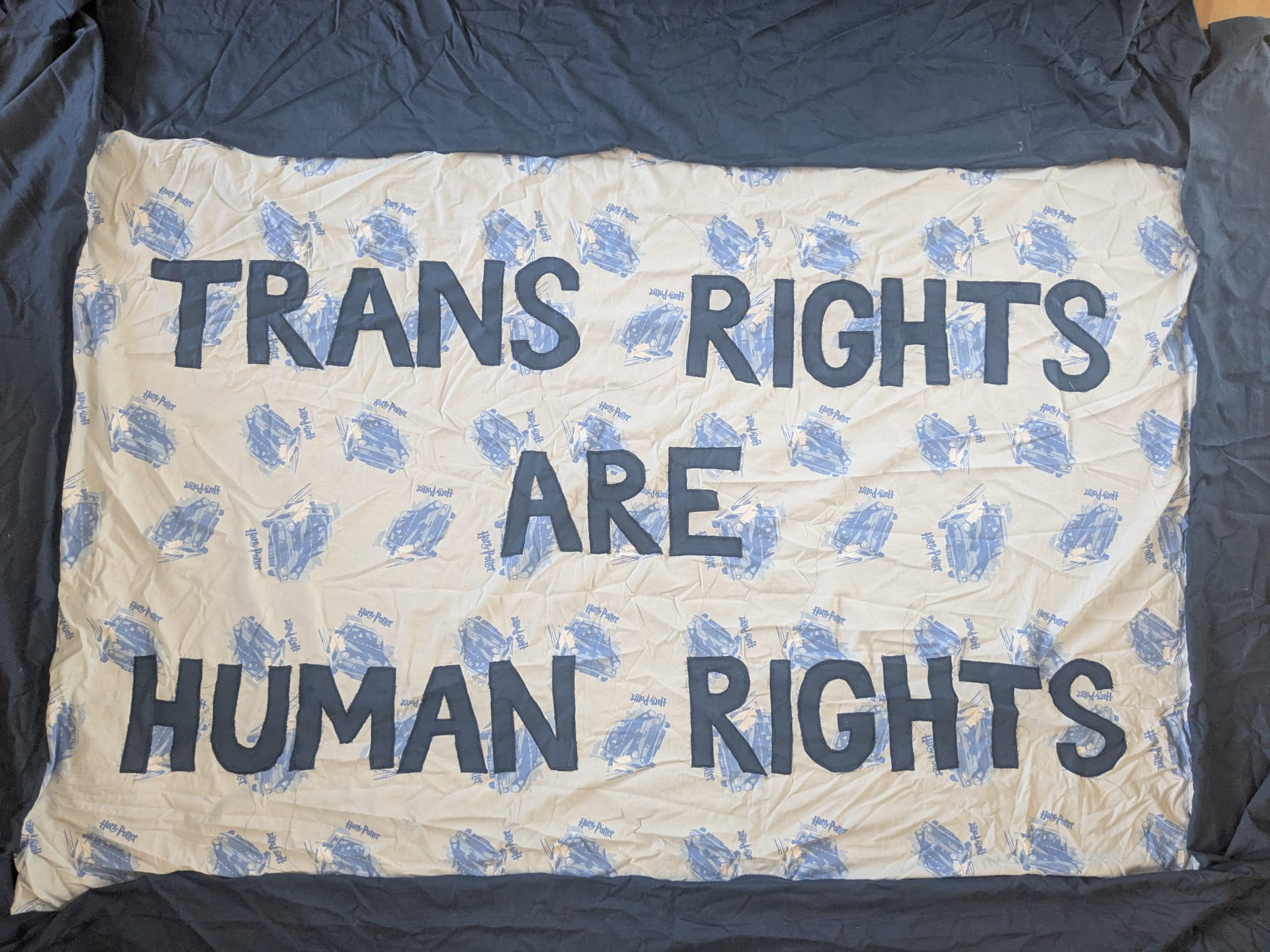
Photo: Zosia Niedermaier-Reed
Representation Is More Than Visibility
When people talk about representation, they often mean seeing someone like yourself on television or in a magazine. That's important. But representation is also much more practical. It's being able to take the microphone. It's being the person on stage rather than the person being discussed. It's being trusted to tell your own story. That principle sits at the heart of Trans Pride Luxembourg.
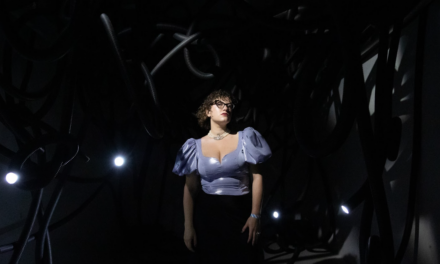
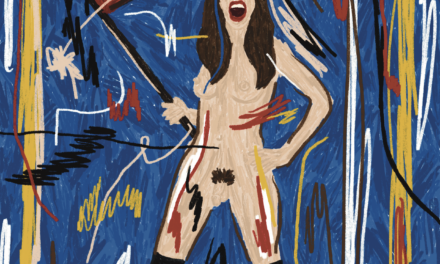
From the beginning, organizers wanted the event to highlight trans voices, trans creativity, and trans leadership. Not as a token gesture, but as a fundamental part of what the event exists to do. This year's programme reflects exactly that vision. Visitors can expect speeches, workshops, live music, drag performances, and a community clothes swap, with a particular emphasis on trans and gender-queer artists. Rather than treating trans people as subjects, the event gives them a platform as creators, performers, thinkers, and community builders.
In a world where conversations about trans people are often conducted without trans people in the room, that matters. A lot.
The Joy Is Political
One of the most fascinating things about Trans Pride is that it refuses to separate celebration from activism. The event embraces a tradition found in many trans pride movements around the world: the understanding that joy itself can be political. A drag performance can be political. A dance floor can be political. A workshop where someone finally meets another trans person their age can be political. As Megaphone has emphasized, the successful trans pride events grow from local communities and local needs.
That community-first approach gives Trans Pride its unique character. It isn't trying to compete with giant commercial festivals. It isn't trying to sell rainbow merchandise. Instead, it asks a different question:
What happens when trans people create an event for themselves?
The answer, it turns out, is something wonderfully human. People talk. People learn. People perform. People connect. And occasionally, people discover they aren't nearly as alone as they thought.
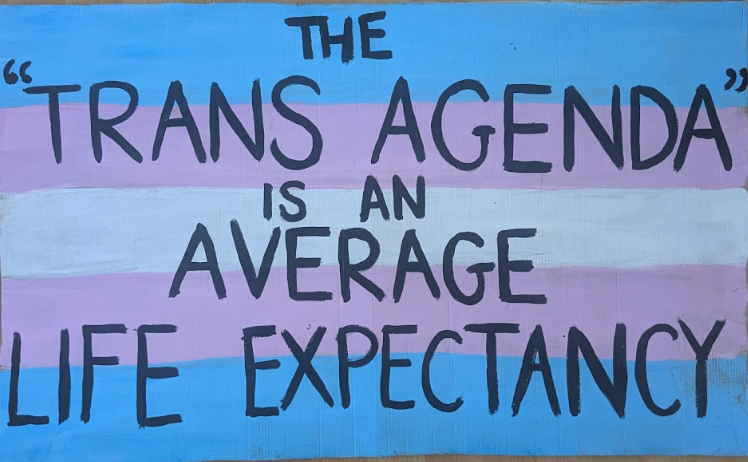
Image: Trans Pride Luxembourg
Building Space for the Next Generation
One topic that repeatedly emerges in conversations around Trans Pride is the importance of creating spaces for younger people. Many trans adults can remember growing up without visible role models, without supportive environments, and often without knowing anyone who shared their experiences. Things are changing, but challenges remain.
Community organizers frequently point out that there are still too few spaces where young trans and gender-diverse people can safely explore who they are, meet others, and feel supported. Events like Trans Pride cannot solve every problem faced by the community. But they can offer something valuable: a glimpse of possibility. A teenager attending their first Trans Pride might see a musician who shares their identity. They might meet an older trans person who has already travelled a path they're only beginning. They might discover friendships that continue long after the event ends. Sometimes, community starts with a single conversation.
A Small Country With Big Dreams
Luxembourg presents unique challenges for queer organizing. It's a country where many young people eventually leave to study or work elsewhere. Communities can feel temporary. Volunteers come and go. Momentum can be difficult to maintain. Building sustainable queer spaces requires persistence. It requires people willing to organize events after work, answer emails at midnight, carry chairs across venues, design posters, manage budgets, and somehow still find energy to celebrate.
That's why the success of Trans Pride feels significant. It demonstrates that there is both a need and an audience for trans-centered spaces. More importantly, it establishes a foundation. The first event proved it could happen, the second proves it can continue. And continuity matters. Annual traditions become institutions, institutions become communities, and communities create change.
See You on the Dance Floor
When the doors open at Kulturfabrik on July 4, visitors will find workshops, performances, speeches, conversations, laughter, and probably a few moments of joyful chaos. What they'll also find is something harder to describe. A sense of belonging. A reminder that trans people have always been here, creating, organizing, performing, resisting, and imagining better futures.
Trans Pride Luxembourg is more than an event. It's a declaration that trans lives deserve visibility, creativity deserves a stage, and community deserves room to grow. So whether you're trans, non-binary, questioning, queer, an ally, or simply curious, there's a place for you. Come for the workshops. Stay for the drag. Dance until midnight.
Celebrate a community that continues to make space for itself — and for everyone who still needs to find their way home!