The queer power
of fairy tales
In the 10th issue of queer.lu, Joël Seiller wrote an article, in which he examines some of the most famous fairy tale authors, and their relationships to queerness. It is a fascinating subject, one that offers almost never-ending possibilities of discussion.
I have myself been thinking about proposing something about fairy tales, so this is a great opportunity for me to do just that. My own approach tends to involve digging into the deeper, often neglected corners of the subject, which might provide an interesting contrast to Seiller’s article.
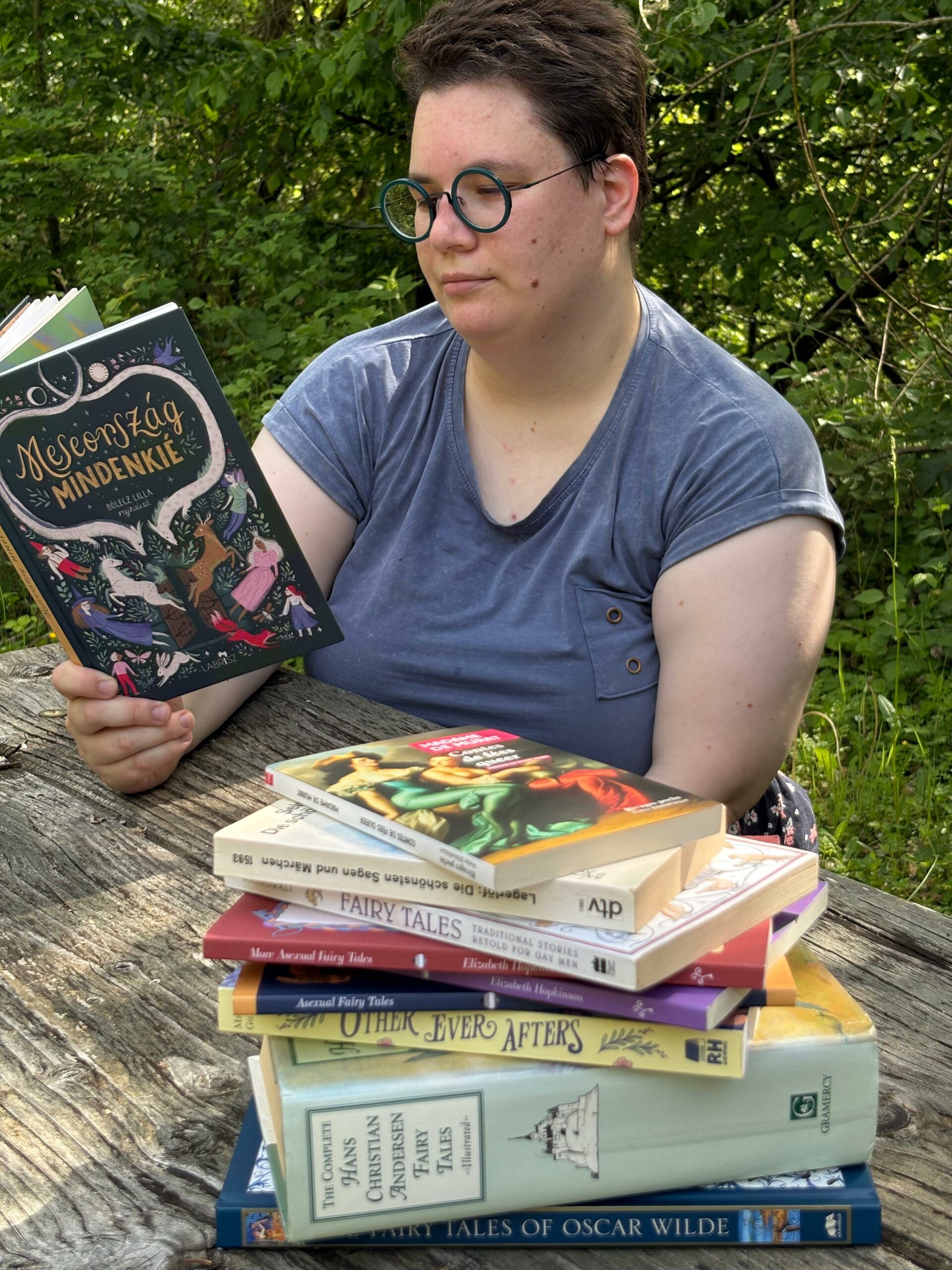
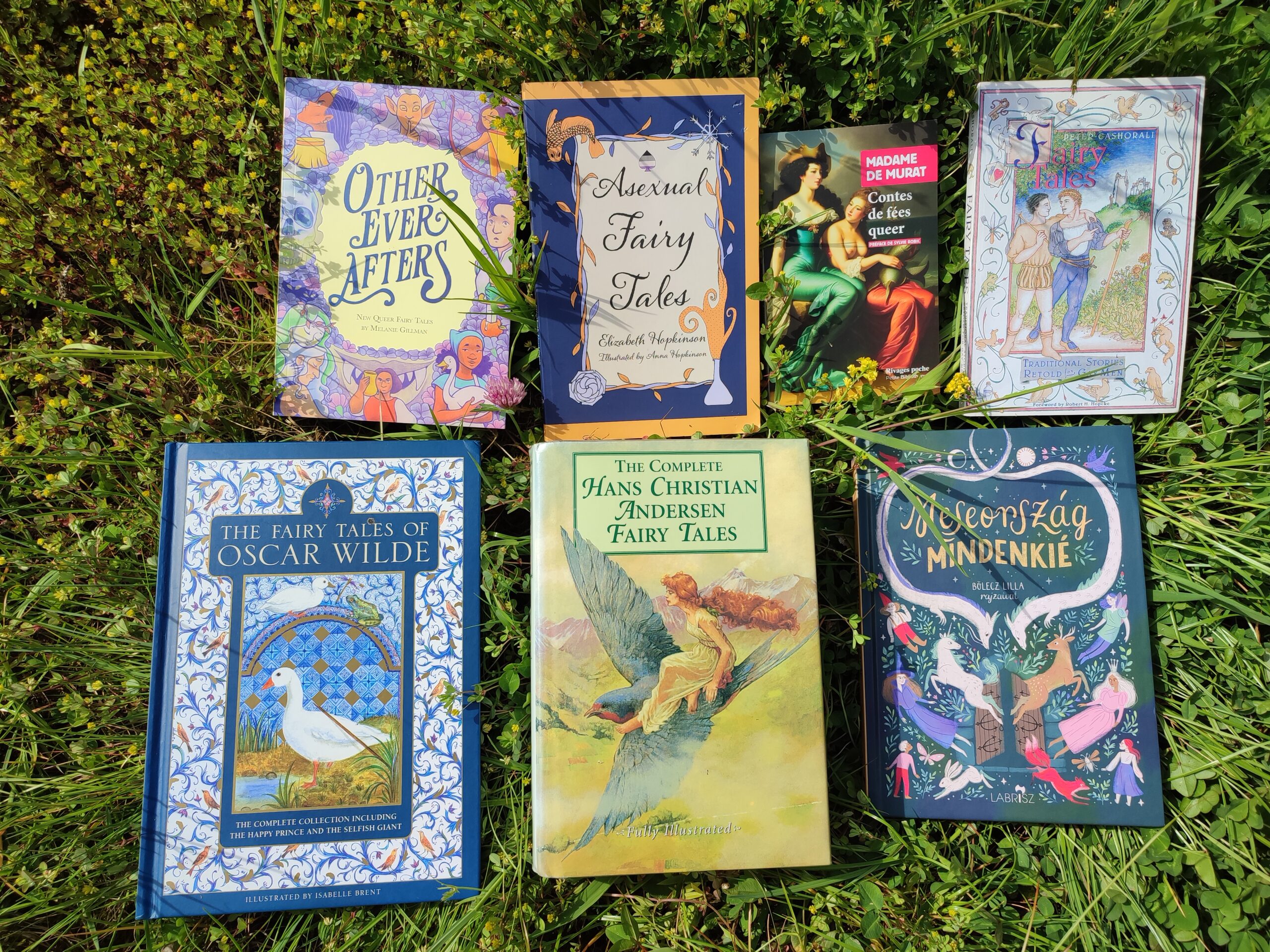
Discussions about fairy tales are fascinating to watch. Everyone knows them, everyone has an opinion about them. Yet most adults rarely take the time to examine fairy tales from an adult perspective. Their understanding is therefore largely shaped by childhood memories. I still vividly remember how omnipresent this topic became on Hungarian social media in 2020. Did you know that Hungary’s infamous media censorship originally centered a discussion around a fairy tale collection? The book was titled Mesesország Mindenkié, (A Fairytale for Everyone in English), published by the lesbian association Labrisz, with the goal of providing parents with a collection of socially conscious and inclusive fairy tales. The real controversy began when a right-wing politician publicly shredded the book because it featured queer stories. From there, the debate expanded into a broader discussion about books, censorship, and what should and should not be allowed in fairy tales. What struck me while I was reading the online comments on social media was how little many people knew about fairy tales.
Although we now strongly associate fairy tales with children, the genre was originally intended for adults. The first literary fairy tale collection, the Italian Pentamerone, Il racconto dei racconti (The Pentamerone (The Tale of Tales)), published in two parts in 1634 and 1636, is notorious for the darkness of its stories. When Seiller in his section about the Brothers Grimm talks about the “original Sleeping Beauty” featuring rape, he is referring to the story Sun, Moon and Talia from the Pentamerone.
Fairy tales would remain aimed at adults for some time. In 1697, French author Marie-Catherine d’Aulnoy published her own collection, Les Contes des Fées, whose title eventually evolved into the term contes de fées-fairy tale. Madame d’Aulnoy was part of a circle of literary women, who used the genre of the fairy tale to talk about their position in society, and the forms of oppression they faced. In the early 1700s, arranged marriage was one of the most pressing issues. It is therefore unsurprising that, their stories revolved around romantic love, and women choosing their own husbands. Other motifs introduced by these women that have since then become fundamental to the genre are the fairy godmother (literally a godmother, who happens to be a fairy), and people getting transformed into animals and require the love of another person to break the spell. The most famous example is Beauty and the Beast, written by Madame de Villeneuve, and first appeared in 1740.
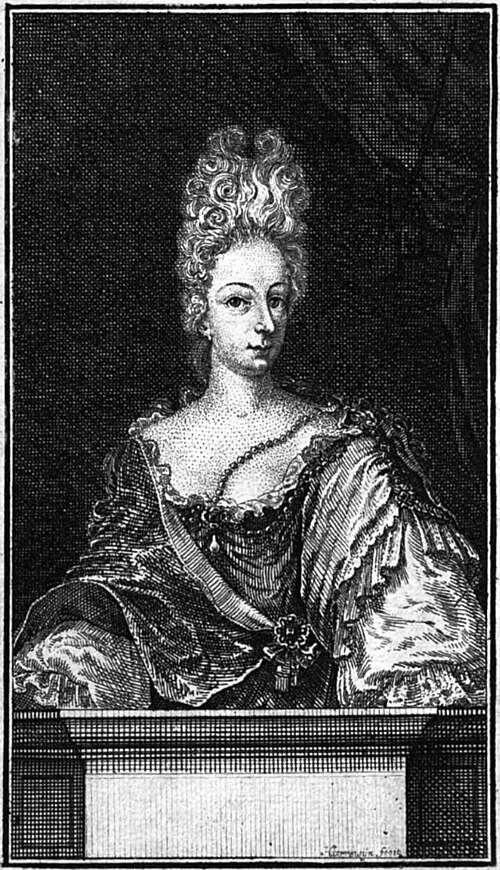
Although Madame d’Aulnoy wasn’t queer herself, some of her friends were. Henriette-Julie de Castelnau de Murat, a successful fairy tale author herself, was arrested for lesbianism, and consequently imprisoned. She kept writing during that time. Her novel Les Lutins du château de Kernosy is said to be inspired by her imprisonment.
Madame de Murat was by far not the only queer fairy tale author. Seiller has talked in more detail about Hans Christian Andersen. But celebrated authors Oscar Wilde and Selma Lagelöf, who are better known for their other works, also wrote multiple fairy tales.
A more recent author, whose work stayed with me, is the American Peter Cashorali, who in the 1990s published two books, Fairy Tales: Traditional Stories Retold for Gay Men, and Gay Fairy & Folk Tales: More Traditional Stories Retold for Gay Men. His stories lean more to the fable side of the genre, since his goal was to create stories that preserve the life lessons that are important for gay adults, and to facilitate passing them on to the next generation. Given the period in which he was writing, the AIDS crisis is ever-present in his work, alongside themes of love and aging.
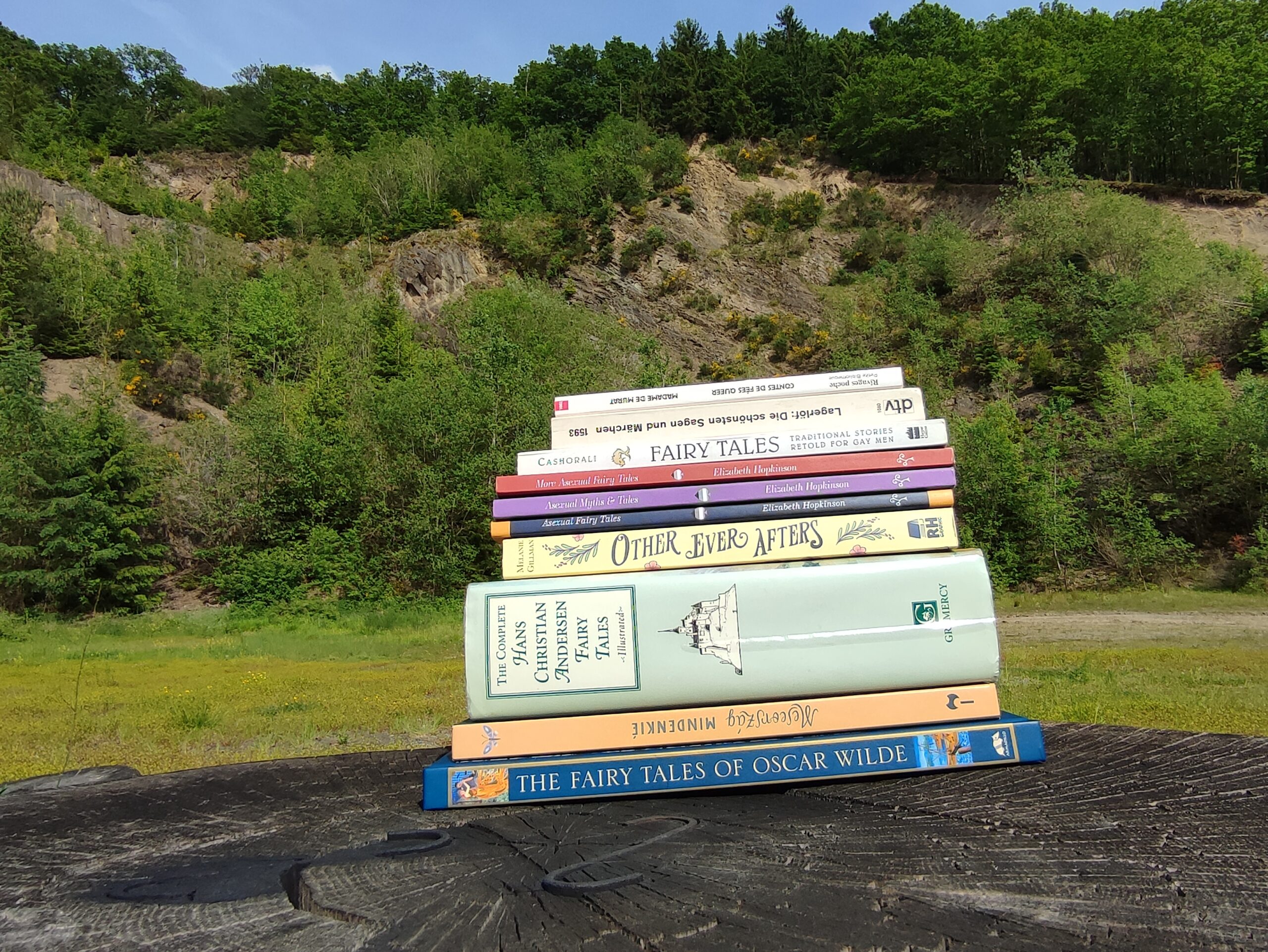
Equally special to me is the Asexual Fairy Tales series by contemporary author Elizabeth Hopkinson. An amateur fairy tale scholar, Hopkinson searched the world’s tales for stories that resonated with her as an asexual person. She then rewrote them to make the asexual themes clearer, adding short introductions explaining each tale’s origin, and what she personally connected with. The resulting books are rich fairy tale collections, as well as interesting insights into one person’s relationship with her asexuality.
I could continue indefinitely. We are at the end of the second article on this topic, and we barely scratched the surface of the extraordinary power and richness of fairy tales. For example, we haven’t even moved beyond European traditions. We haven’t discussed the tangible impact that certain stories had on our queer community, such as the significance of The Wizard of Oz’s importance for gay American men in the 20th century. Nor have we addressed censorship, children, or the ongoing battles over what is acceptable in fairy tale collections-because those battles continue today. Meseország Mindenkié was merely one notable front in a much larger cultural struggle. We could also delve further and discuss fairy tales’ children—fantasy and science fiction—and their importance within queer culture. As I said: This is a conversation that could continue forever.