Conversation with François Diderrich (radical fairy and proud of it)
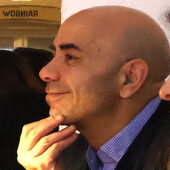
A quiet July afternoon at the Rainbow Centre. The frenzy of Pride has subsided, leaving behind a calm, almost suspended atmosphere. It is in this restored calm that I await a radical faerie: François Diderrich – alias Fran Sue – back from a Radical Faerie sanctuary on the island of Terschelling in the Netherlands.
The doorbell rings twice. François enters with a light step, true to his punctuality, a box of cake in his hand. From the back room, I call out to him, “Would you like some tea?” He nods with a smile, and we settle down in the entrance hall of the Rainbow Centre.
I watch him as he takes a tea bag, carefully tears it open and empties the content into a cup of hot water. A small gesture that has become a ritual.
“I don’t know if I’ve told you this before, but tea bags often contain microparticles that can be released into hot water”, he explains, with a feigned seriousness. “Their impact on health is still being studied. So I’m not taking any risks.”
He drops the empty bag, crosses his legs and smiles at me, as if to signal that the interview can begin.
He begins his story and quickly traces the origins of a unique movement. The Radical Faeries – neither a sect nor a club – were founded in the United States in the late 1970s, on the initiative of figures such as Harry Hay, a gay rights activist, in reaction to the growing assimilation of the gay movement into consumer society. Inspired by counterculture, eco-spirituality and radical queer thinking, they created spaces where they could live on the margins of heteronormative and patriarchal society. Every summer, in remote locations, a community of adventurers — often from relatively affluent backgrounds — gather for a week of co-creation, rituals, intimate sharing and celebration.
Although they began as a gay male counterpart to the lesbian separatist movements of the 1970s, the Radical Faeries are now a growing movement with thousands of participants in the United States, Europe, and Asia. More than just a network, the Radical Faeries form a chosen community, a queer family in the broadest sense. Their freedom of sexual expression, their intuitive approach to spirituality and their way of living together are reinventing ways of loving and sharing. For some, coming out is almost a rite of passage, an experience of intimate transformation.
In Europe, the first meetings took place in 1995. Thirty years later, François returned to the Dutch island of Terschelling, where it all began.
François reflects on this experience, his discovery of the movement in 1998, the rituals of the circle of the heart, the beauty of intergenerational transmission, but also the challenges of this form of queer freedom off the beaten track. A conversation marked by emotion, memory, and a deep desire for connection and shared empathy.
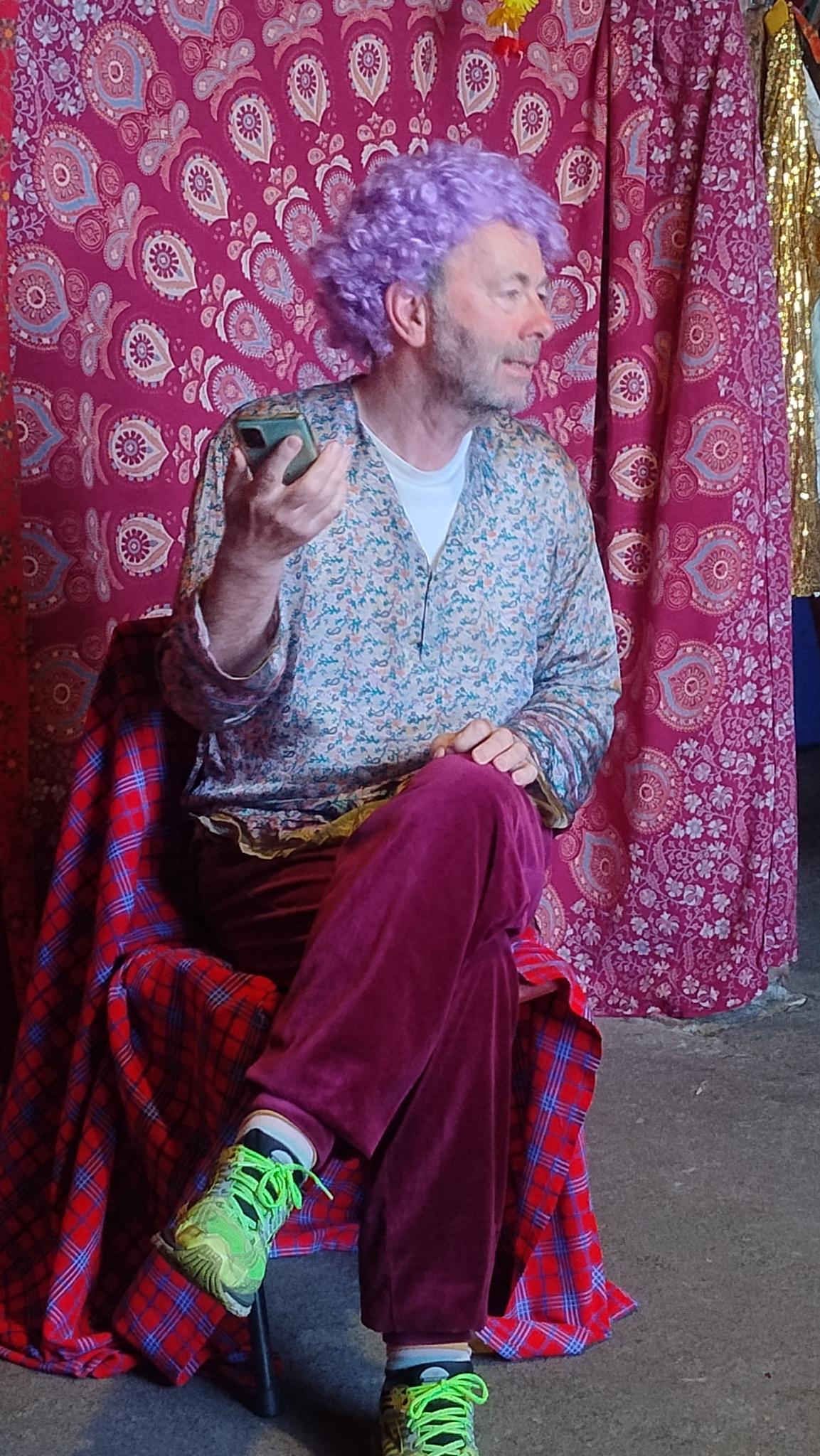
François Didderich
How did you discover the Radical Faeries?
“Through a painter friend living in Amsterdam whom I have known since the 1980s. In 1998, during the Gay Games, he invited me to a heart circle in Vondelpark. It was my first encounter with the Euro Faeries. There were about thirty of us, sitting in a circle. Each person spoke in turn, holding a talisman in their hands. We listened without interrupting or commenting. There was such a quality of listening, such depth in the stories shared, that I knew immediately that I belonged there.”
This year, you returned to the island of Terschelling, where the first European gathering took place in 1995. How did the 2025 edition go?
“It was an anniversary edition, marking 30 years since the very first gathering in Europe. There were about twenty of us, mostly seniors, but also a few younger people. The atmosphere was gentle and attentive. Less exuberant than in 1998, but just as intense in its own way. Each day was punctuated by a circle of the heart. In the evening, there were shows, parades, poetry readings and eccentric auctions.”
“And then, a very powerful moment: a ceremony in memory of the faeries who had passed away.” François pauses. His eyes shining, he searches for the right words. I put down my pen to make room for silence, a dense, respectful silence. Then, in a more fragile voice, he continues:
“We lit candles, shared memories, recalled their voices, their gestures, their humour. One of the participants had even brought a small urn containing the ashes of a former companion. There were songs, silences, tears. For some, they were very close friends, founding figures of the group. Two of them had committed suicide. That evening, I was very moved, a little sad, but also grateful to have been there, to have shared these fragments of humanity.”
It is in these suspended moments that the word community takes on its full meaning.
How is daily life organised in a gathering without hierarchy or a set programme?
“We start the day with a small practical circle to organise meals, washing up, shopping. There is no rigid schedule, no leader. Everyone makes suggestions, everyone takes responsibility. It is this benevolent self-organisation that is the strength of the group. And it works because there is trust.”
Another striking aspect of these gatherings is the clothing – or the lack thereof. What do these bodily and sartorial expressions represent for you?
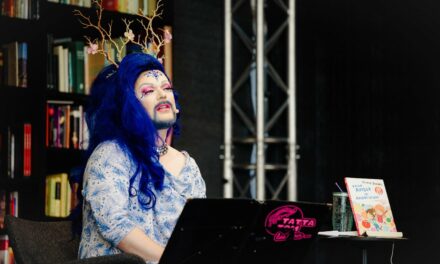
“It’s a non-judgmental space. Some people get naked, others wear extravagant outfits, wigs, sequins, while others prefer to remain sober. We celebrate free expression, without seeking to seduce or shock. It’s a game, a liberation. For me, it’s also a return to childhood: we play, we dare, we let go of our filters. In society, we constantly censor ourselves. Here, we breathe.”
In such a free environment, and in a country like the Netherlands where recreational drug laws are more relaxed, is there ever a desire to explore other forms of communion through certain substances?
“Very few substances circulate, if any. This year, I saw no alcohol, cannabis or so-called recreational drugs. Not even a cigarette. We drank coffee, herbal teas and water. And this is a collective choice, not an imposed rule. The idea is not to escape, but to reconnect. Many sanctuaries set clear limits on substance use, especially hard drugs such as methamphetamines. Visitors who use them may encounter a degree of reserve or find it difficult to access certain services. For me, this sobriety is an integral part of the spirit of the sanctuary.”
What message would you like to convey to the younger queer generations?
“I would say to them: dare to come. Come with curiosity, come as you are. In a world where everything is compartmentalised, digitised and filtered, these gatherings offer a space for genuine sharing, listening and intergenerational connection. You can learn from others, discover parts of yourself and transform yourself. Above all, you find a rare tenderness there. A form of political tenderness that is deeply human.”
Before concluding, François shared one last memory: in 1999, just after his first gathering, he organised a small faerie gathering at his home in Luxembourg City with a few friends from Germany and the Netherlands.
“There were half a dozen of us, staying in my attic. The highlight of the weekend was an impromptu circle of the heart in the Alzette valley. Even in small numbers, the magic works.”
Since then, he has also joined a gathering in Thailand and remains convinced that these spaces must remain open and accessible.
Because while faerie gatherings are places of gentleness, they are also centres of resistance. Resistance to normalisation, to oblivion, to isolation.
“I think what I’d really like to bring back into my daily life is a greater capacity for empathy. I want it to radiate all around me, every day.”
A final word for those who are still hesitant to take the plunge?
“I understand the reluctance. The word faerie may seem strange, childish or even marginalising. And yet, what we experience at these gatherings is nothing folkloric. It is a return to life, to connection, to listening. There is nothing to prove. Just being there, together. It is a rare luxury in our modern lives.”
“I would say to everyone: come once. Dare to try this experience, even if you think you are not ‘queer enough’, ‘spiritual enough’ or ‘exuberant enough’. You will see, all it takes is a circle to feel welcome.”
How did you discover the Radical Faeries?
“Through a painter friend living in Amsterdam whom I have known since the 1980s. In 1998, during the Gay Games, he invited me to a heart circle in Vondelpark. It was my first encounter with the Euro Faeries. There were about thirty of us, sitting in a circle. Each person spoke in turn, holding a talisman in their hands. We listened without interrupting or commenting. There was such a quality of listening, such depth in the stories shared, that I knew immediately that I belonged there.”
This year, you returned to the island of Terschelling, where the first European gathering took place in 1995. How did the 2025 edition go?
“It was an anniversary edition, marking 30 years since the very first gathering in Europe. There were about twenty of us, mostly seniors, but also a few younger people. The atmosphere was gentle and attentive. Less exuberant than in 1998, but just as intense in its own way. Each day was punctuated by a circle of the heart. In the evening, there were shows, parades, poetry readings and eccentric auctions.”
“And then, a very powerful moment: a ceremony in memory of the faeries who had passed away.” François pauses. His eyes shining, he searches for the right words. I put down my pen to make room for silence, a dense, respectful silence. Then, in a more fragile voice, he continues:
“We lit candles, shared memories, recalled their voices, their gestures, their humour. One of the participants had even brought a small urn containing the ashes of a former companion. There were songs, silences, tears. For some, they were very close friends, founding figures of the group. Two of them had committed suicide. That evening, I was very moved, a little sad, but also grateful to have been there, to have shared these fragments of humanity.”
It is in these suspended moments that the word community takes on its full meaning.
How is daily life organised in a gathering without hierarchy or a set programme?
“We start the day with a small practical circle to organise meals, washing up, shopping. There is no rigid schedule, no leader. Everyone makes suggestions, everyone takes responsibility. It is this benevolent self-organisation that is the strength of the group. And it works because there is trust.”
Another striking aspect of these gatherings is the clothing – or the lack thereof. What do these bodily and sartorial expressions represent for you?
“It’s a non-judgmental space. Some people get naked, others wear extravagant outfits, wigs, sequins, while others prefer to remain sober. We celebrate free expression, without seeking to seduce or shock. It’s a game, a liberation. For me, it’s also a return to childhood: we play, we dare, we let go of our filters. In society, we constantly censor ourselves. Here, we breathe.”
In such a free environment, and in a country like the Netherlands where recreational drug laws are more relaxed, is there ever a desire to explore other forms of communion through certain substances?
“Very few substances circulate, if any. This year, I saw no alcohol, cannabis or so-called recreational drugs. Not even a cigarette. We drank coffee, herbal teas and water. And this is a collective choice, not an imposed rule. The idea is not to escape, but to reconnect. Many sanctuaries set clear limits on substance use, especially hard drugs such as methamphetamines. Visitors who use them may encounter a degree of reserve or find it difficult to access certain services. For me, this sobriety is an integral part of the spirit of the sanctuary.”
What message would you like to convey to the younger queer generations?
“I would say to them: dare to come. Come with curiosity, come as you are. In a world where everything is compartmentalised, digitised and filtered, these gatherings offer a space for genuine sharing, listening and intergenerational connection. You can learn from others, discover parts of yourself and transform yourself. Above all, you find a rare tenderness there. A form of political tenderness that is deeply human.”
Before concluding, François shared one last memory: in 1999, just after his first gathering, he organised a small faerie gathering at his home in Luxembourg City with a few friends from Germany and the Netherlands.
“There were half a dozen of us, staying in my attic. The highlight of the weekend was an impromptu circle of the heart in the Alzette valley. Even in small numbers, the magic works.”
Since then, he has also joined a gathering in Thailand and remains convinced that these spaces must remain open and accessible.
Because while faerie gatherings are places of gentleness, they are also centres of resistance. Resistance to normalisation, to oblivion, to isolation.
“I think what I’d really like to bring back into my daily life is a greater capacity for empathy. I want it to radiate all around me, every day.”
A final word for those who are still hesitant to take the plunge?
“I understand the reluctance. The word faerie may seem strange, childish or even marginalising. And yet, what we experience at these gatherings is nothing folkloric. It is a return to life, to connection, to listening. There is nothing to prove. Just being there, together. It is a rare luxury in our modern lives.”
“I would say to everyone: come once. Dare to try this experience, even if you think you are not ‘queer enough’, ‘spiritual enough’ or ‘exuberant enough’. You will see, all it takes is a circle to feel welcome.”
“Through a painter friend living in Amsterdam whom I have known since the 1980s. In 1998, during the Gay Games, he invited me to a heart circle in Vondelpark. It was my first encounter with the Euro Faeries. There were about thirty of us, sitting in a circle. Each person spoke in turn, holding a talisman in their hands. We listened without interrupting or commenting. There was such a quality of listening, such depth in the stories shared, that I knew immediately that I belonged there.”
This year, you returned to the island of Terschelling, where the first European gathering took place in 1995. How did the 2025 edition go?
“It was an anniversary edition, marking 30 years since the very first gathering in Europe. There were about twenty of us, mostly seniors, but also a few younger people. The atmosphere was gentle and attentive. Less exuberant than in 1998, but just as intense in its own way. Each day was punctuated by a circle of the heart. In the evening, there were shows, parades, poetry readings and eccentric auctions.”
“And then, a very powerful moment: a ceremony in memory of the faeries who had passed away.” François pauses. His eyes shining, he searches for the right words. I put down my pen to make room for silence, a dense, respectful silence. Then, in a more fragile voice, he continues:
“We lit candles, shared memories, recalled their voices, their gestures, their humour. One of the participants had even brought a small urn containing the ashes of a former companion. There were songs, silences, tears. For some, they were very close friends, founding figures of the group. Two of them had committed suicide. That evening, I was very moved, a little sad, but also grateful to have been there, to have shared these fragments of humanity.”
It is in these suspended moments that the word community takes on its full meaning.
How is daily life organised in a gathering without hierarchy or a set programme?
“We start the day with a small practical circle to organise meals, washing up, shopping. There is no rigid schedule, no leader. Everyone makes suggestions, everyone takes responsibility. It is this benevolent self-organisation that is the strength of the group. And it works because there is trust.”
Another striking aspect of these gatherings is the clothing – or the lack thereof. What do these bodily and sartorial expressions represent for you?
“It’s a non-judgmental space. Some people get naked, others wear extravagant outfits, wigs, sequins, while others prefer to remain sober. We celebrate free expression, without seeking to seduce or shock. It’s a game, a liberation. For me, it’s also a return to childhood: we play, we dare, we let go of our filters. In society, we constantly censor ourselves. Here, we breathe.”
In such a free environment, and in a country like the Netherlands where recreational drug laws are more relaxed, is there ever a desire to explore other forms of communion through certain substances?
“Very few substances circulate, if any. This year, I saw no alcohol, cannabis or so-called recreational drugs. Not even a cigarette. We drank coffee, herbal teas and water. And this is a collective choice, not an imposed rule. The idea is not to escape, but to reconnect. Many sanctuaries set clear limits on substance use, especially hard drugs such as methamphetamines. Visitors who use them may encounter a degree of reserve or find it difficult to access certain services. For me, this sobriety is an integral part of the spirit of the sanctuary.”
What message would you like to convey to the younger queer generations?
“I would say to them: dare to come. Come with curiosity, come as you are. In a world where everything is compartmentalised, digitised and filtered, these gatherings offer a space for genuine sharing, listening and intergenerational connection. You can learn from others, discover parts of yourself and transform yourself. Above all, you find a rare tenderness there. A form of political tenderness that is deeply human.”
Before concluding, François shared one last memory: in 1999, just after his first gathering, he organised a small faerie gathering at his home in Luxembourg City with a few friends from Germany and the Netherlands.
“There were half a dozen of us, staying in my attic. The highlight of the weekend was an impromptu circle of the heart in the Alzette valley. Even in small numbers, the magic works.”
Since then, he has also joined a gathering in Thailand and remains convinced that these spaces must remain open and accessible.
Because while faerie gatherings are places of gentleness, they are also centres of resistance. Resistance to normalisation, to oblivion, to isolation.
“I think what I’d really like to bring back into my daily life is a greater capacity for empathy. I want it to radiate all around me, every day.”
A final word for those who are still hesitant to take the plunge?
“I understand the reluctance. The word faerie may seem strange, childish or even marginalising. And yet, what we experience at these gatherings is nothing folkloric. It is a return to life, to connection, to listening. There is nothing to prove. Just being there, together. It is a rare luxury in our modern lives.”
“I would say to everyone: come once. Dare to try this experience, even if you think you are not ‘queer enough’, ‘spiritual enough’ or ‘exuberant enough’. You will see, all it takes is a circle to feel welcome.”