 English
 Français
 Deutsch
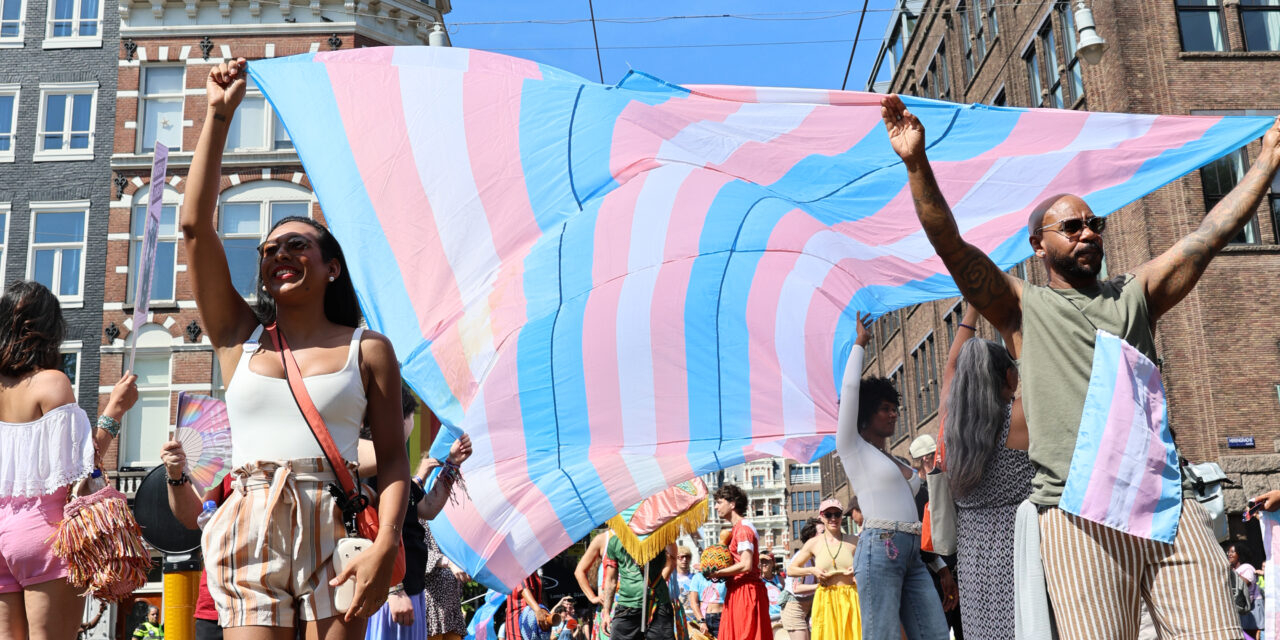
More Than a March: The Future of Trans Pride in Europe
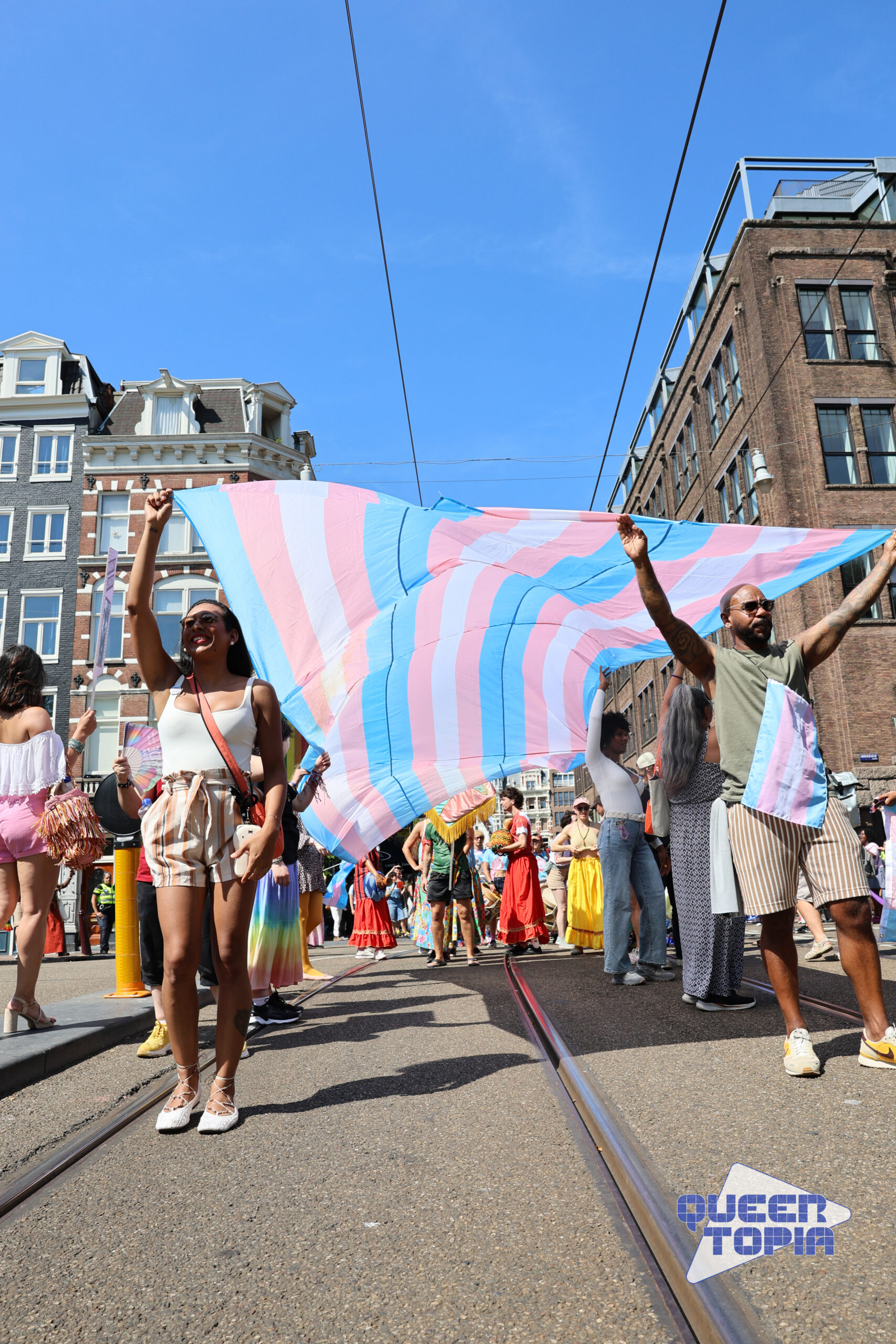
For many people, Trans Pride happens once a year. Whether it's a march, a community day, a festival, or a sea of flags, Trans Pride is a chance to be who we are while unapologetically demanding a better world.
But across Europe, something else is happening. Trans Pride is growing beyond a single day of protest or celebration. Increasingly, trans-led organisations are creating spaces to meet, organise, support one another, share knowledge, campaign for change and, most importantly, build community.
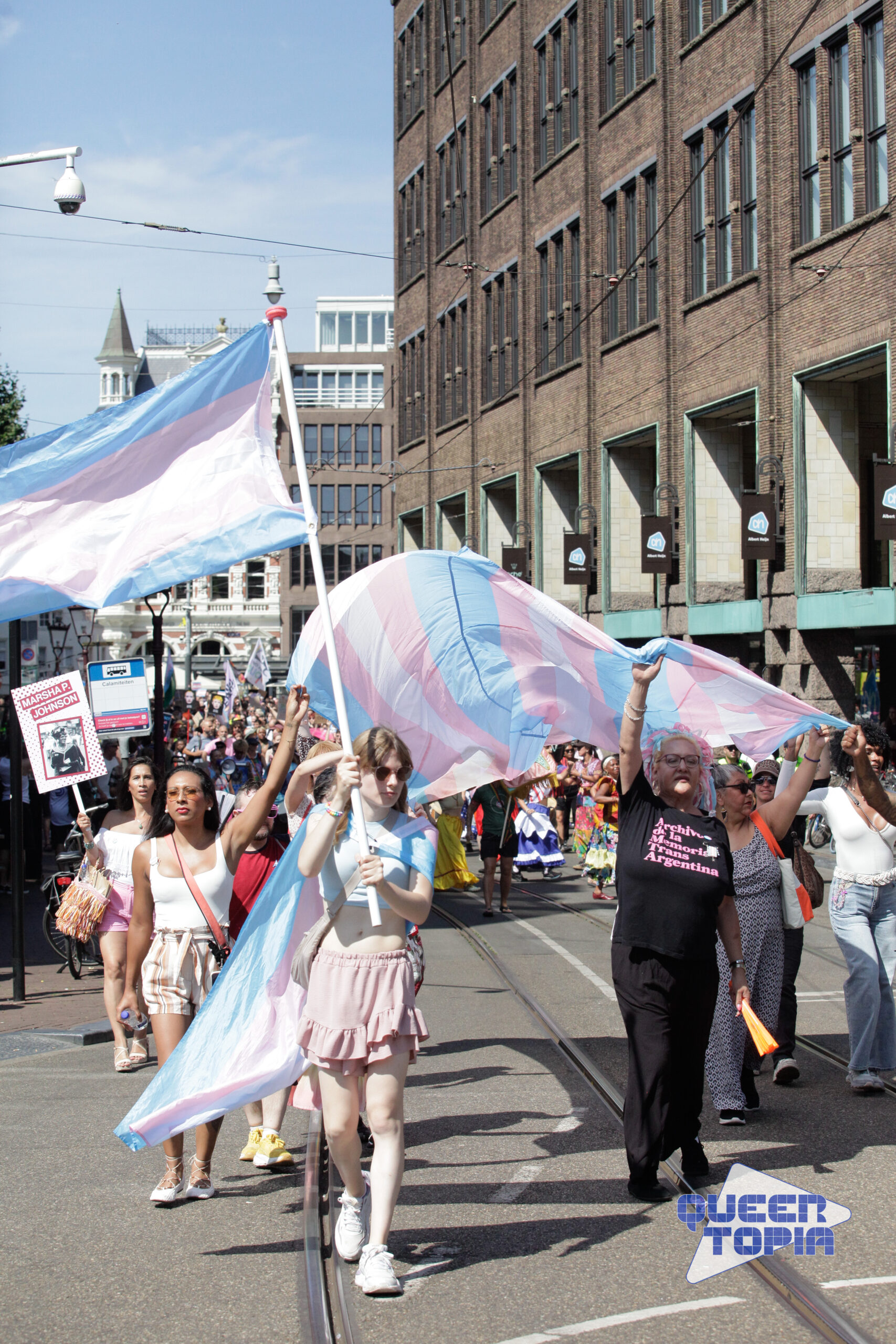
This year, that development has been particularly visible. From Luxembourg to Amsterdam, Cork, Dublin, İstanbul, Milano, Mönchengladbach, Limerick and Stuttgart, new and established Trans Prides have taken to the streets.
What has become increasingly clear to me is that no single model of Trans Pride exists. However, a growing movement exists.
There is no single Trans Pride.
The history of Trans Pride across Europe is already more complicated than a simple timeline suggests.
In Türkiye, the Trans Onur Yürüyüşü began in İstanbul in 2010 and became an important annual trans protest before political repression and attacks on LGBT+ spaces forced a hiatus in 2015. It was re-established in 2022 and continues today. In Ireland, Trans Pride Dublin was established in 2018 and became Trans & Intersex Pride Dublin in 2020, while Trans+ Pride Cork followed in 2022 and Trans Pride Limerick in 2024.
Elsewhere, Trans Pride Amsterdam began in 2014, initially organised by Trans Amsterdam and, since 2019, by the Queertopia Foundation. Trans* Pride Stuttgart began in 2019, with a collaboration of trans organisers spearheaded by Projekt 100% Mensch, organising its first editions before Mission Trans* took over in 2022. Berlin’s event, which began in 2022, has itself evolved through several names: Trans Pride, TIN Pride and, since 2025, INTA* Pride.
More recently, Trans Pride Milano began in 2025, followed by Luxembourg in the same year. In 2026, Trans* Pride Mönchengladbach joined the growing list.
These histories are different, and that matters.
Trans Pride is not a franchise. No central European organisation tells every city what its Pride should look like. Some events are explicitly protests. Some place greater emphasis on celebration and community. Some are intricately connected to wider political movements, while others are developing as independent organisations.
Even the timing reflects this diversity. In 2026, Trans Pride Milano took place in May; the Trans Prides in Dublin and Cork in June; Luxembourg in July; Amsterdam and Limerick in August; and Stuttgart and Mönchengladbach in September.
Yet despite these differences, something connects them: the recognition that trans communities need spaces organised by and for themselves.
The march is only the visible part.
The most visible aspect of Trans Pride is, of course, the march.
But the march is often only the beginning.
The No Pride Without Trans Pride journal, published in 2025, documented 25 Trans Pride organisations across the UK and Ireland, as well as the Trans Pride Collective. What struck me while putting that publication together was just how varied their activities were. Alongside marches, organisations ran workshops, picnics, vigils, clothing swaps, arts projects, community gatherings, social events, and mutual-aid initiatives.
Some were creating spaces where trans people could simply meet one another. Others campaigned for healthcare, housing, employment, or political representation. Some were preserving trans history and culture.
For someone isolated, particularly in a smaller town or a place where trans people are routinely discussed without being listened to, finding other people who understand their experiences can be transformative. A community space cannot solve every problem, but it can mean people don't have to face those problems entirely alone.
This is one of the less visible functions of Trans Pride.
The flags and banners create visibility. The quieter work creates connection. And when people build relationships with one another, they also build the capacity to organise.
That can mean responding to a new political attack, campaigning for better healthcare, supporting someone through a difficult period, sharing practical information, or simply creating somewhere where trans people can exist without having to explain or defend themselves.
The growth of Trans Pride therefore represents something larger than the growth of marches. It represents the creation of grassroots infrastructure.
Why do we have to build it ourselves?
This is where the story becomes more complicated.
There is something incredibly powerful about marginalised communities creating what they need. Grassroots organisations can respond quickly, understand local circumstances and create spaces without waiting for governments or established institutions to decide that a problem deserves attention.
But there is also something troubling about needing to create those things in the first place.
Governments remain responsible for healthcare, legal recognition, public services and material security. Community organisations can campaign for better healthcare, but they cannot become the healthcare system. They can provide mutual aid, but they cannot replace a functioning welfare state.
This tension is central to the development of Trans Pride.
Boso, a member of the Megaphone collective who helped organise Trans Pride Luxembourg in 2025 and 2026, explained to me that they personally did not feel fully represented by Luxembourg Pride or some of the events surrounding it.
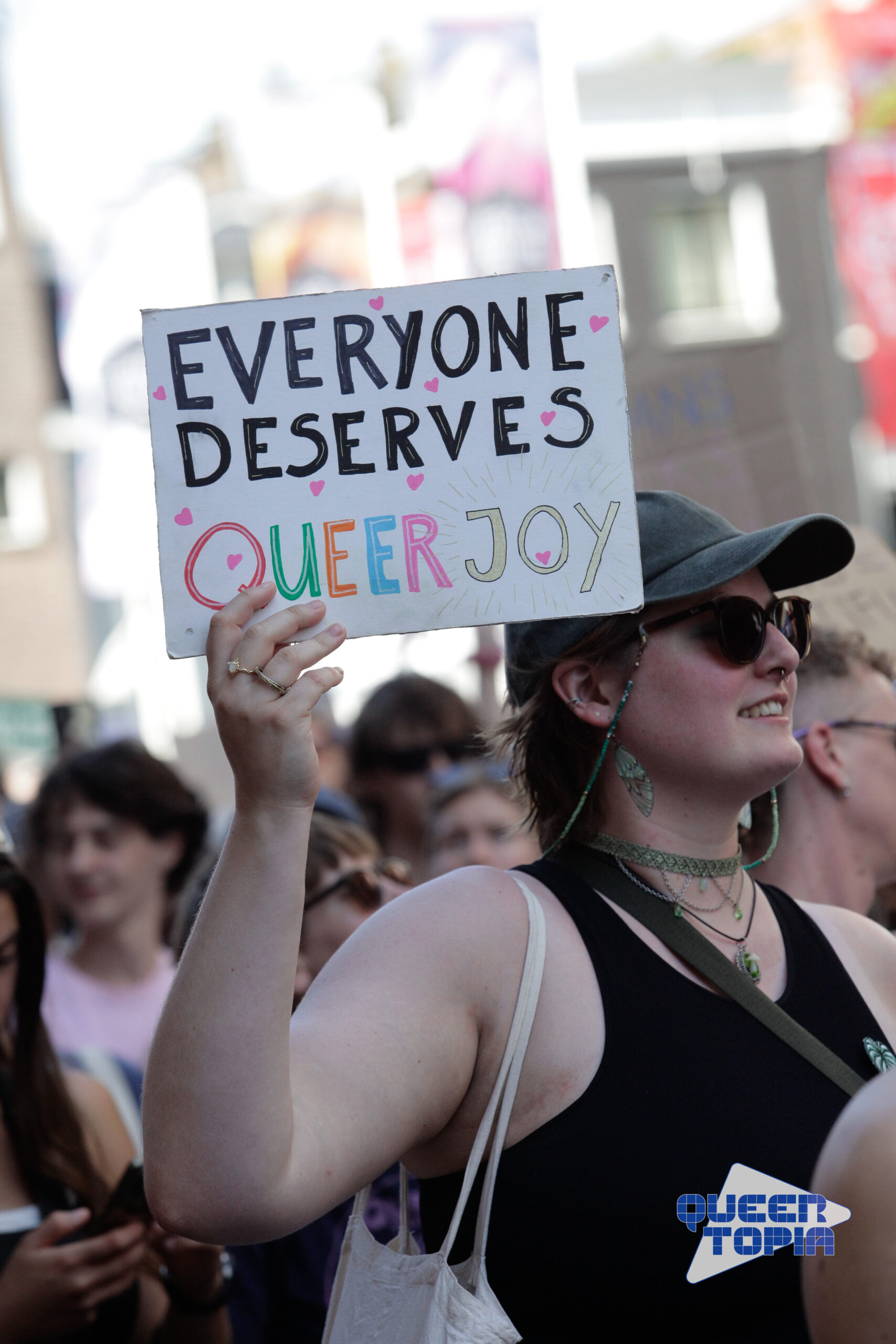
For Boso, trans liberation cannot simply mean corporations displaying rainbow flags for one month each year. Instead, they describe Trans Pride Luxembourg as an intersectional space where protest and celebration can coexist, a place where people can share both “joy and anger” while standing in solidarity against capitalism, patriarchy, racism, ableism, fascism and other oppressive systems.
That distinction is significant.
It is not an argument that mainstream Pride has no value. Rather, it argues that Pride can mean different things to different communities.
And for many trans organisers, Pride remains inseparable from protest.
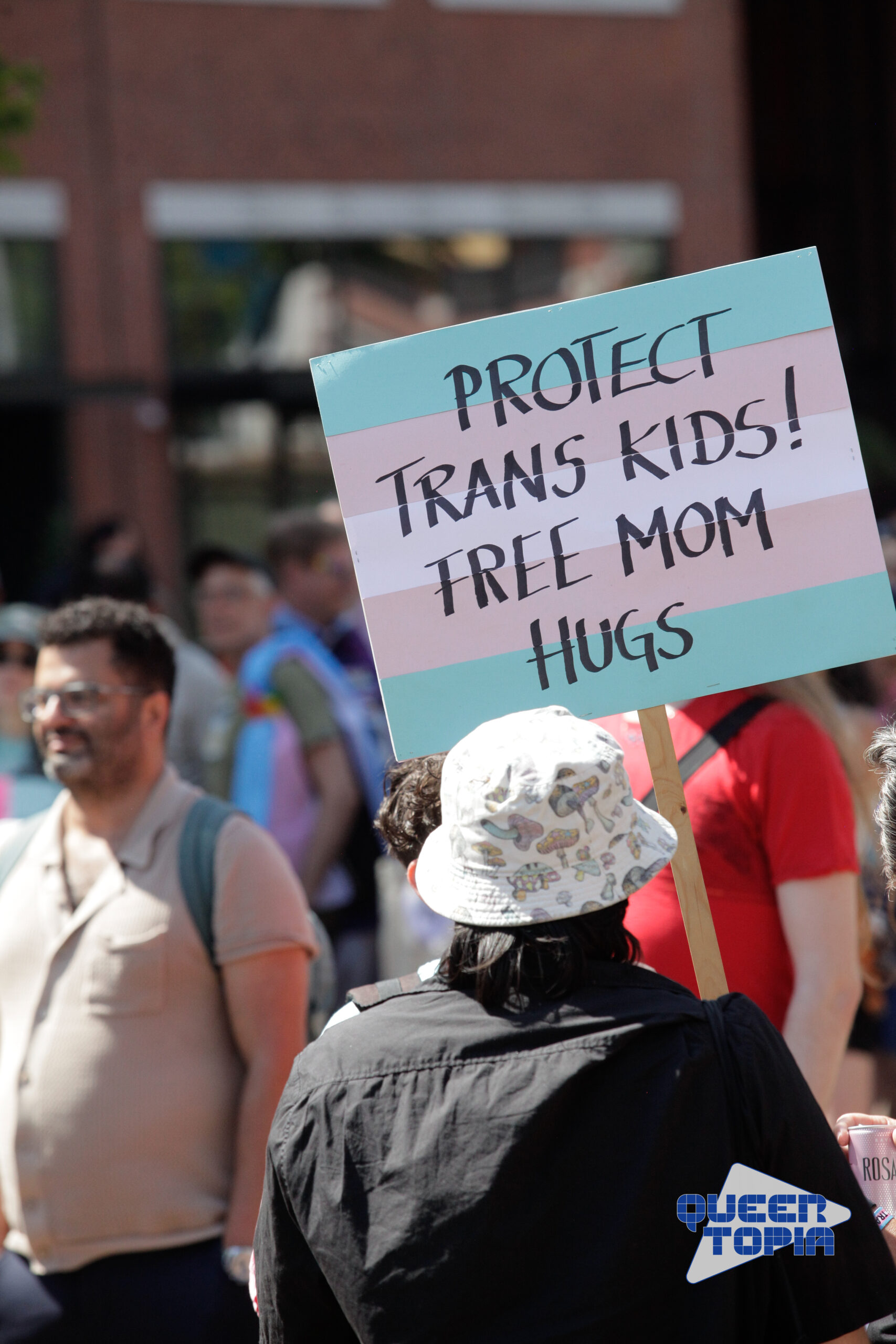
In 2026, Trans & Intersex Pride Dublin continued to place bodily autonomy and healthcare at the centre of its politics, while Trans+ Pride Cork marched for improved healthcare, expanded legal rights and a ban on conversion practices. In Milano, Trans* Pride explicitly challenged exclusion, precarity and a political culture that organisers say too often expects trans people to be quiet, grateful and compliant.
Who looks after the people doing the organising?
Another question grows harder to ignore as Trans Pride grows.
Who looks after the organisers?
Running a march requires months of planning. Running a community organisation requires much more. Organisers need venues, money, volunteers to coordinate, communications to manage, safeguarding and accessibility to consider, and relationships with other organisations to maintain.
Many of these tasks are carried out by people already balancing employment, education, family responsibilities, and their own lives.
The UK and Ireland provide a useful glimpse of what can happen when Trans Pride develops beyond an annual event. The 2025 No Pride Without Trans Pride journal documented 25 organisations, with structures ranging from charities and community interest companies to unincorporated associations. Their organising teams ranged from a single core organiser to dozens.
That diversity is a strength, but it also highlights the question of sustainability.
How do organisations prevent burnout? How is knowledge passed on when founding organisers step away? How do new people become involved? And how can an organisation become stable without losing the grassroots character that made it valuable?
These are not merely administrative questions. They are political ones.
A movement dependent on a handful of exhausted volunteers is vulnerable, no matter how strong its politics may be.
What happens when institutions come knocking?
Growth also creates another dilemma: funding.
Financial support can make an enormous difference. It can pay for accessibility, venues, artists, communications and year-round community work. It can make an organisation more sustainable and reduce the amount of unpaid labour required.
But accepting institutional or corporate support can also raise uncomfortable questions.
Can a movement remain independent if it relies upon institutions that it may need to criticise? Can a Pride organisation accept government support while campaigning against government policy? And can it maintain its politics when funding comes with expectations?
These tensions are familiar within the wider Pride movement, but they take on particular importance for Trans Pride.
The answer does not have to be that all funding is bad, or that formal organisations are inherently less grassroots. Instead, Trans Pride organisers are being forced to consider what kind of infrastructure they want to build, and what they are willing, or not willing, to compromise to sustain it.
Boso’s experience in Luxembourg offers one hopeful indication of what community-led growth can look like.
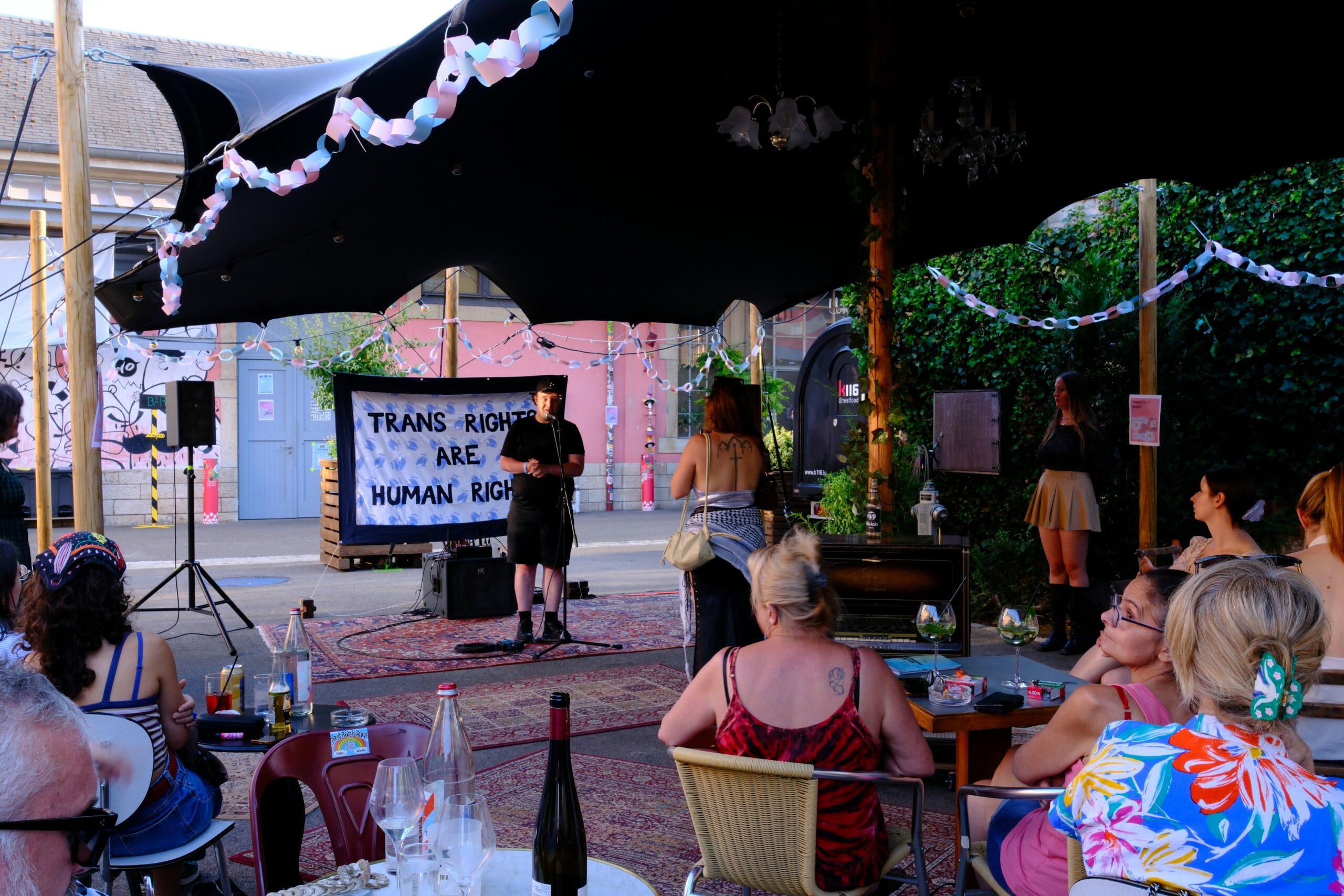
The first Trans Pride Luxembourg in 2025 was a relatively small gathering at the Rainbow Centre. In 2026, the event moved to Kulturfabrik in Esch-sur-Alzette, expanding its programme to include workshops, screenings, speeches, live music, a clothes swap and drag performances. Boso described the community reception as “wonderful”, noting both the growth in attendance and the growing number of people wanting to help organise the event.
For them, the most encouraging part is that the support network around Trans Pride Luxembourg is itself growing.
That may ultimately be more important than the size of the event.
From local events to a movement.
Trans Pride organisations are also beginning to talk to each other.
In the UK and Ireland, the Trans Pride Collective has created assemblies and spaces for organisers to share skills, resources and experiences. My own involvement in that network has shown me the value of being able to ask someone who has already organised a march, dealt with a venue, navigated accessibility or faced an unexpected crisis: “How did you do this?”
That knowledge can now travel.
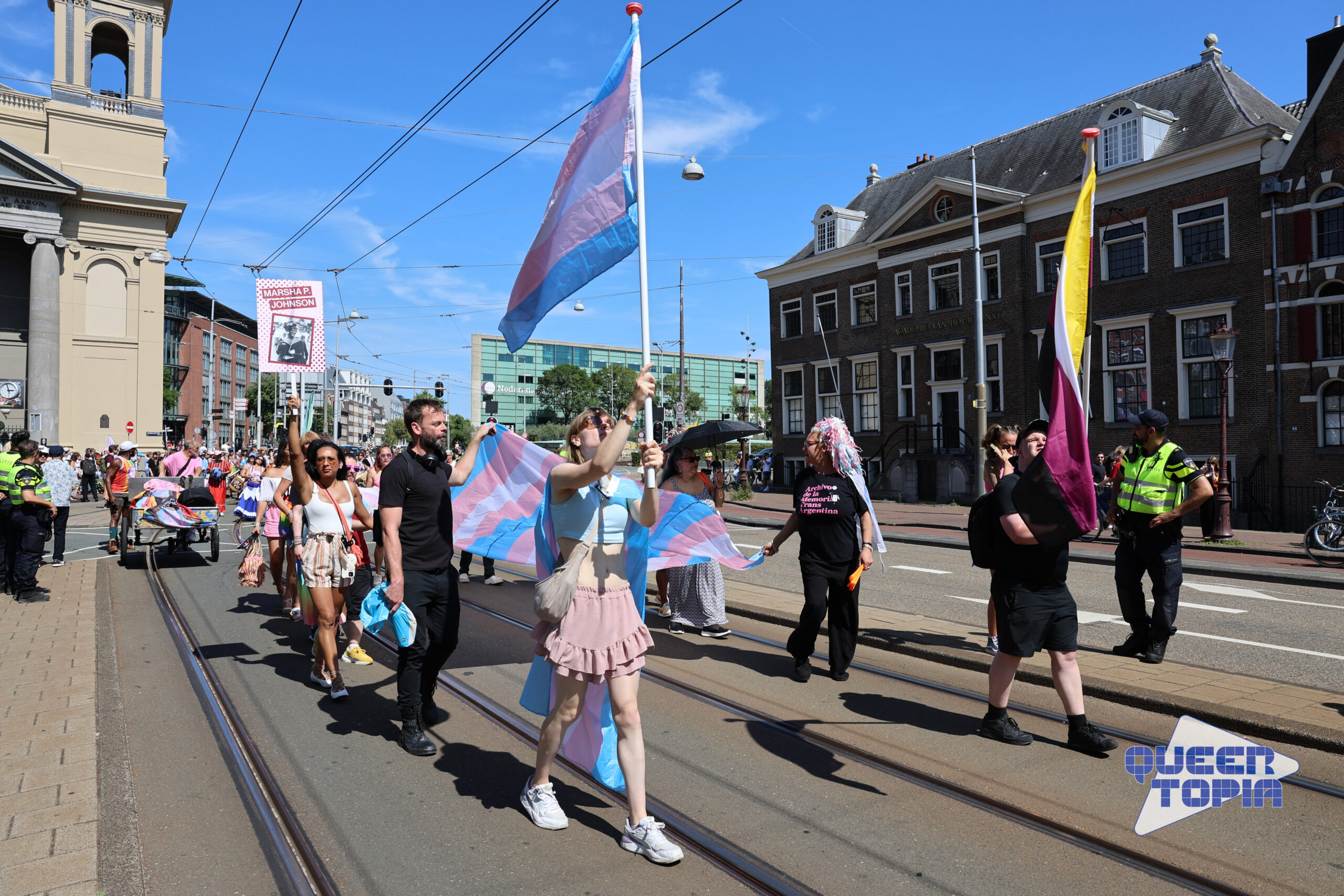
And this is increasingly happening beyond Britain and Ireland.
At the TGEU European and Central Asian Trans Council in Ljubljana this September, trans organisations from across the region showed strong interest in establishing Trans Pride events, with representatives from more than a dozen countries expressing interest in hosting events over the coming year.
That is a significant development.
It suggests that we may be moving beyond a collection of individual Trans Prides towards something resembling a networked international movement. Not one centralised Pride, and not a single model, but locally rooted organisations learning from one another.
Luxembourg does not have to start from zero.
Neither does Milano, Limerick, Stuttgart or Mönchengladbach.
What do we want Trans Pride to become?
Perhaps this is now the most interesting question.
The future of Trans Pride cannot simply be measured by how many people march down a street.
It should also be measured by what happens before and after the march.
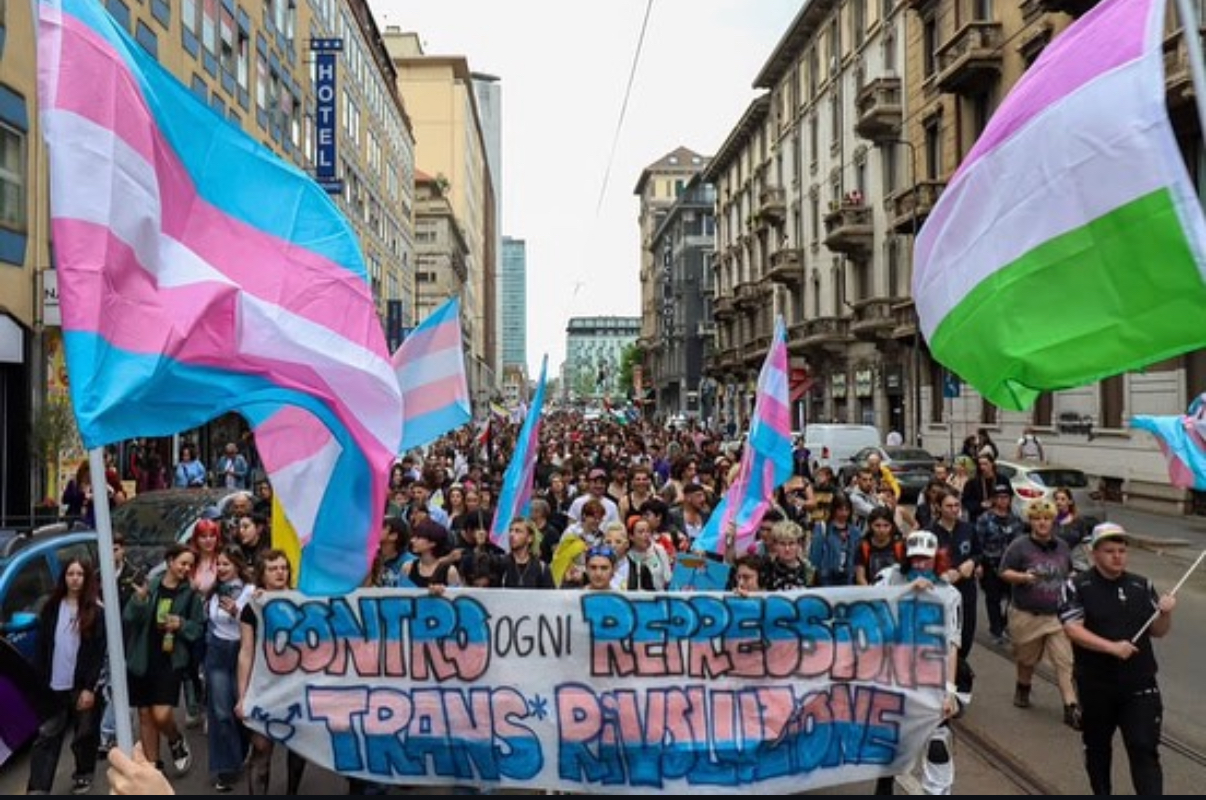
Does someone find community? Does an isolated person discover that they are not alone? Does an organiser gain the confidence to campaign? Does a new generation learn the history of the people who fought before them? Does a community create something that will still exist next year?
I don’t think the goal should necessarily be for Trans Pride to become unnecessary.
If governments eventually provide accessible healthcare, strong legal protections and meaningful institutional representation, there will still be reasons for trans people to organise. There will still be history to preserve, culture to create, political power to build, friendships to make and joy to share.
The goal should instead be to ensure that trans communities do not need Trans Pride simply to survive.
Perhaps that is the next stage of the movement.
Not just a march.
Not just a protest.