Mo Wà
On friendship,
queerness,
and becoming
We met on the set of a video shoot, two Yoruba creatives finding familiarity in each other almost instantly. What started as collaboration became a friendship, then something deeper: the feeling that they had met for a reason.
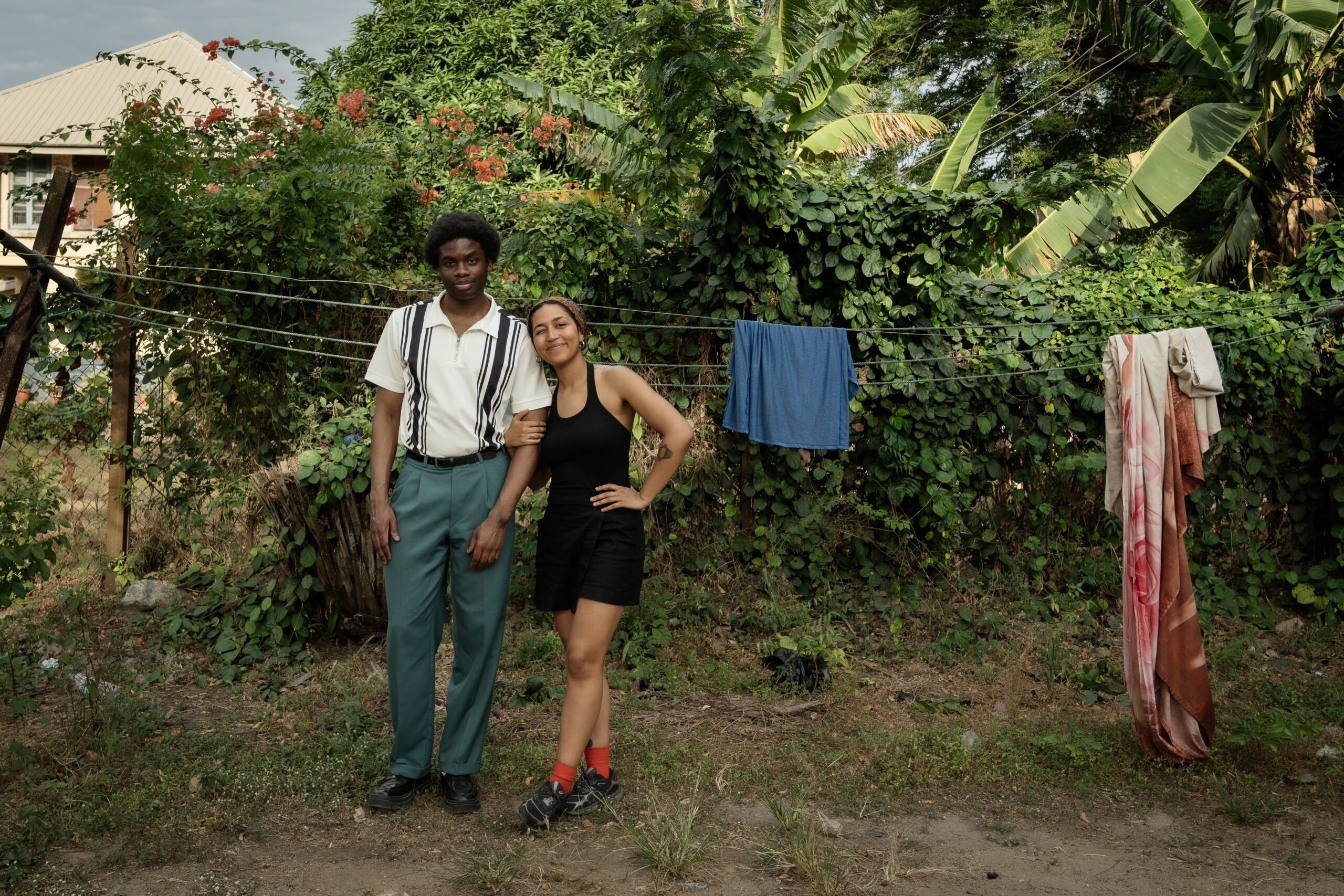
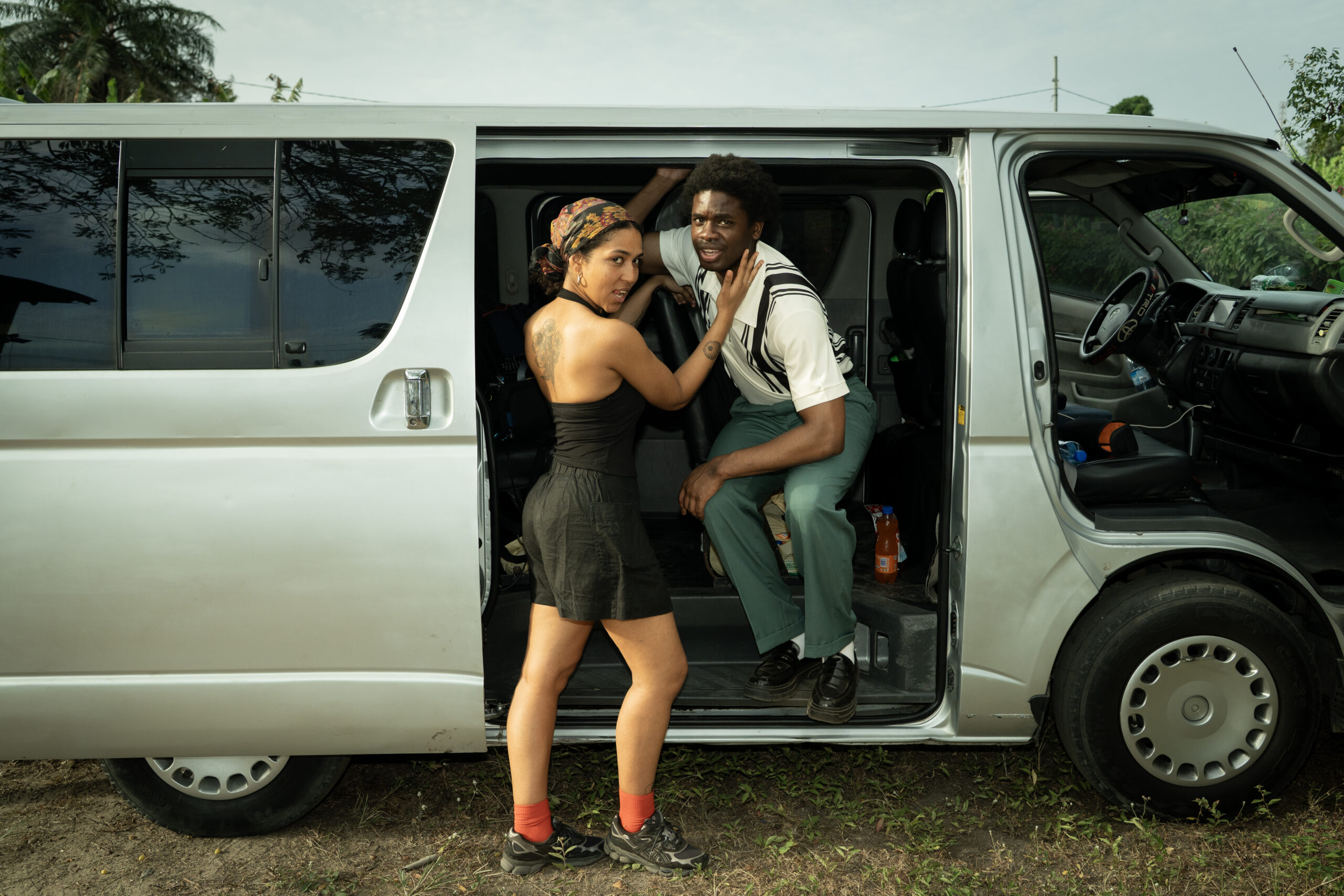
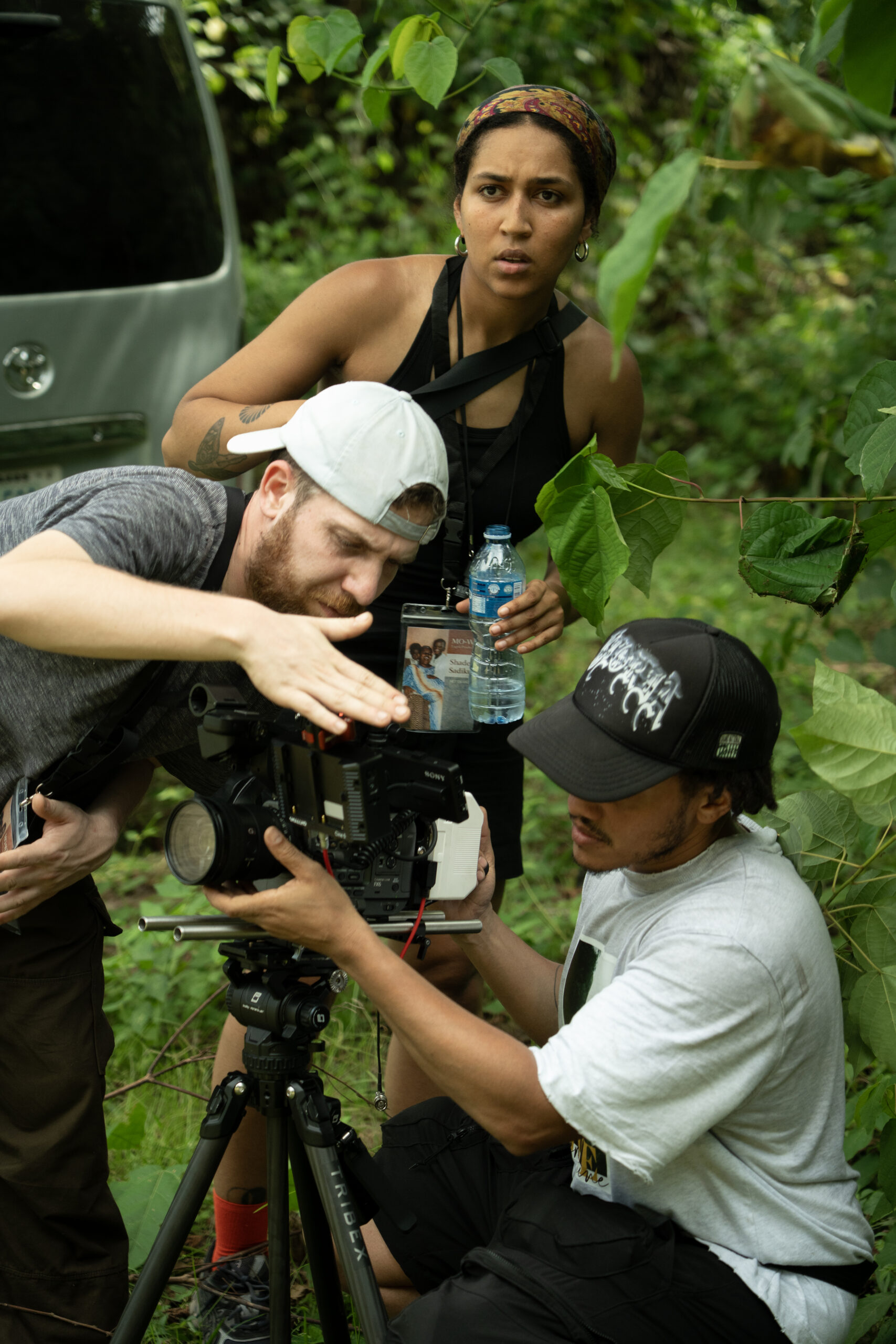
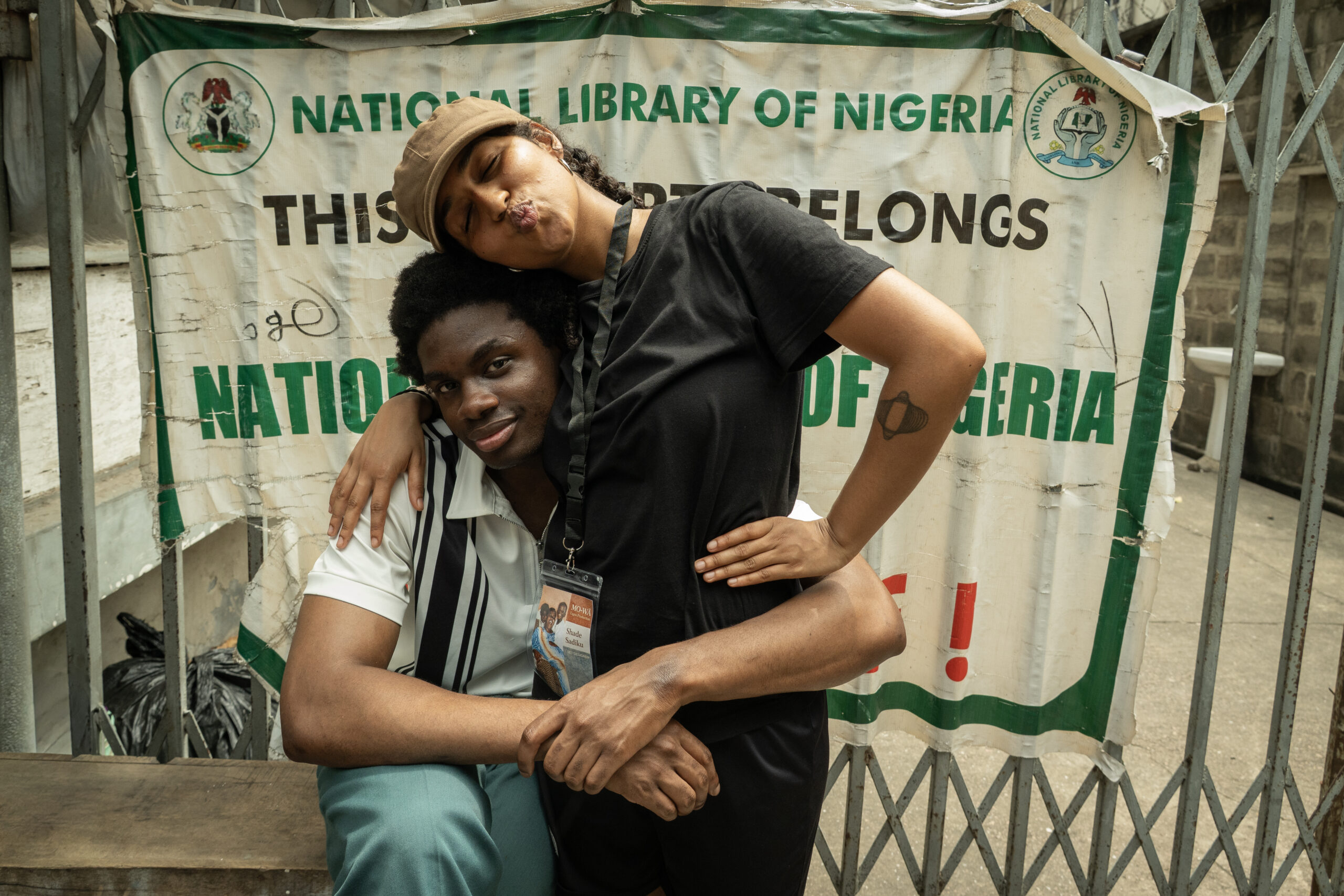
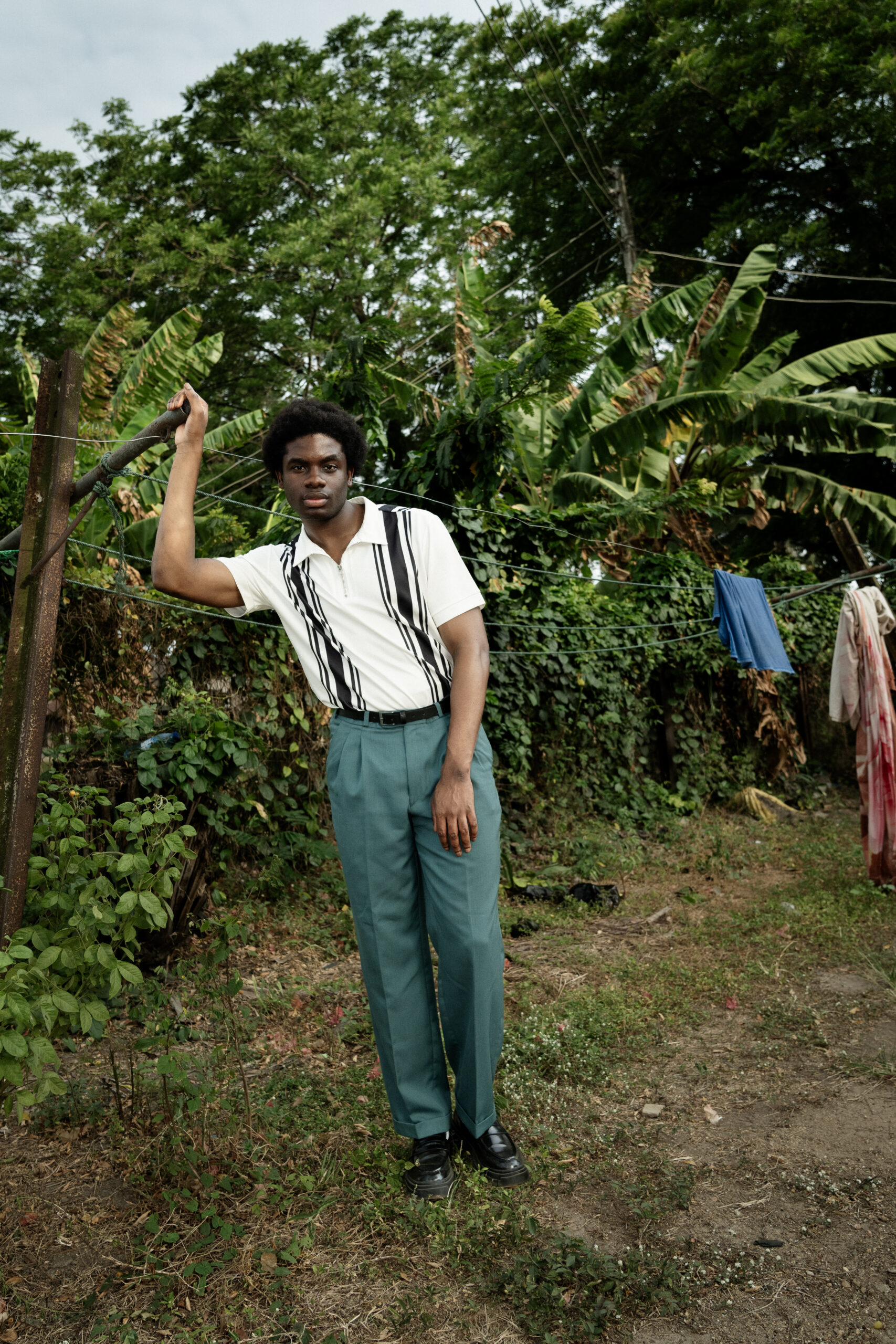
Shade helped shape the visual language of my EP Alter Ego through her photography, and this year she directed Mo Wà, my first short film shot in Lagos, Nigeria. The accompanying photo series offers a glimpse behind the scenes of that project.
For queer.lu, we wanted this interview to feel less like a formal Q&A and more like two people reflecting on art, queerness, and the quiet ways we witnessed each other becoming.
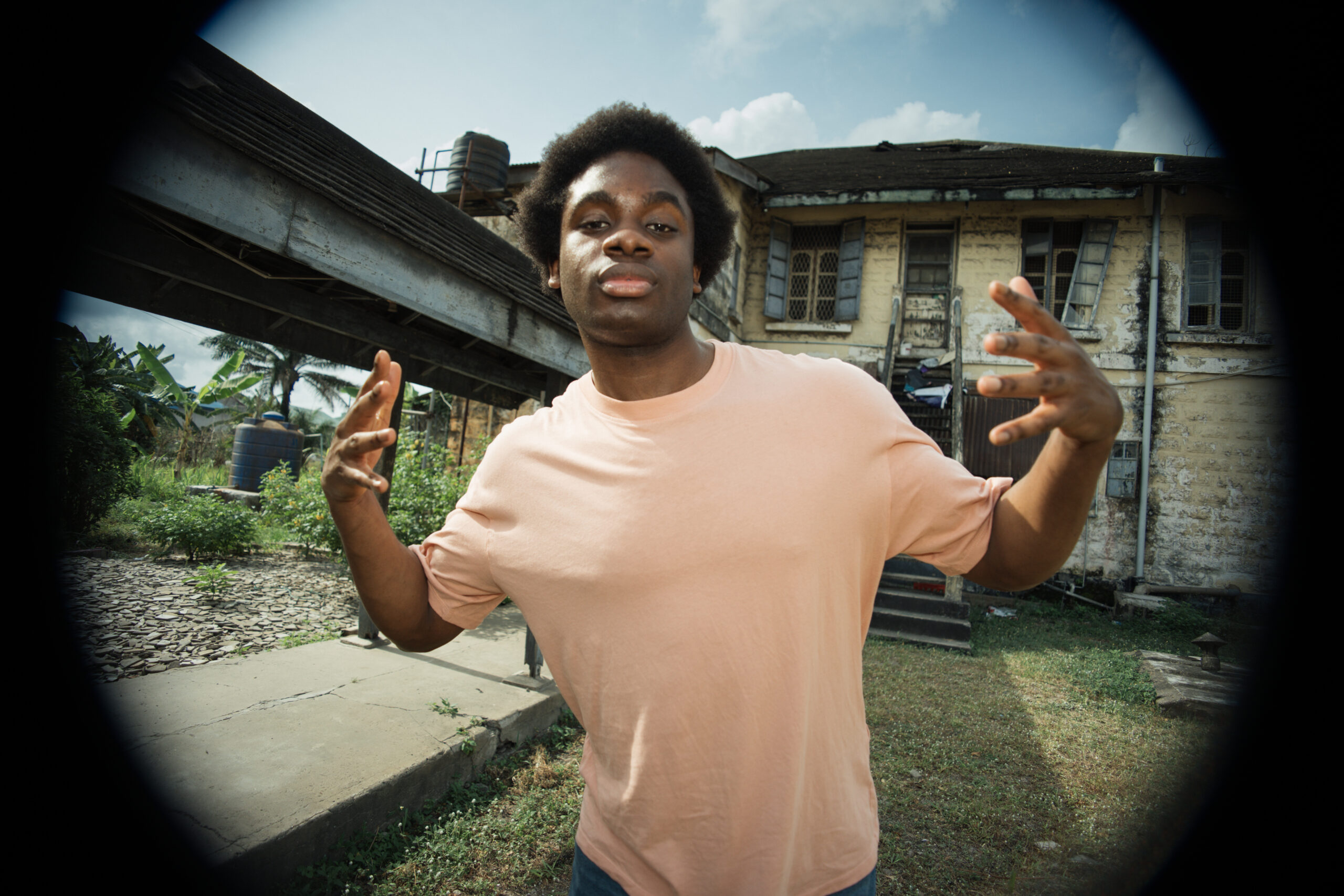
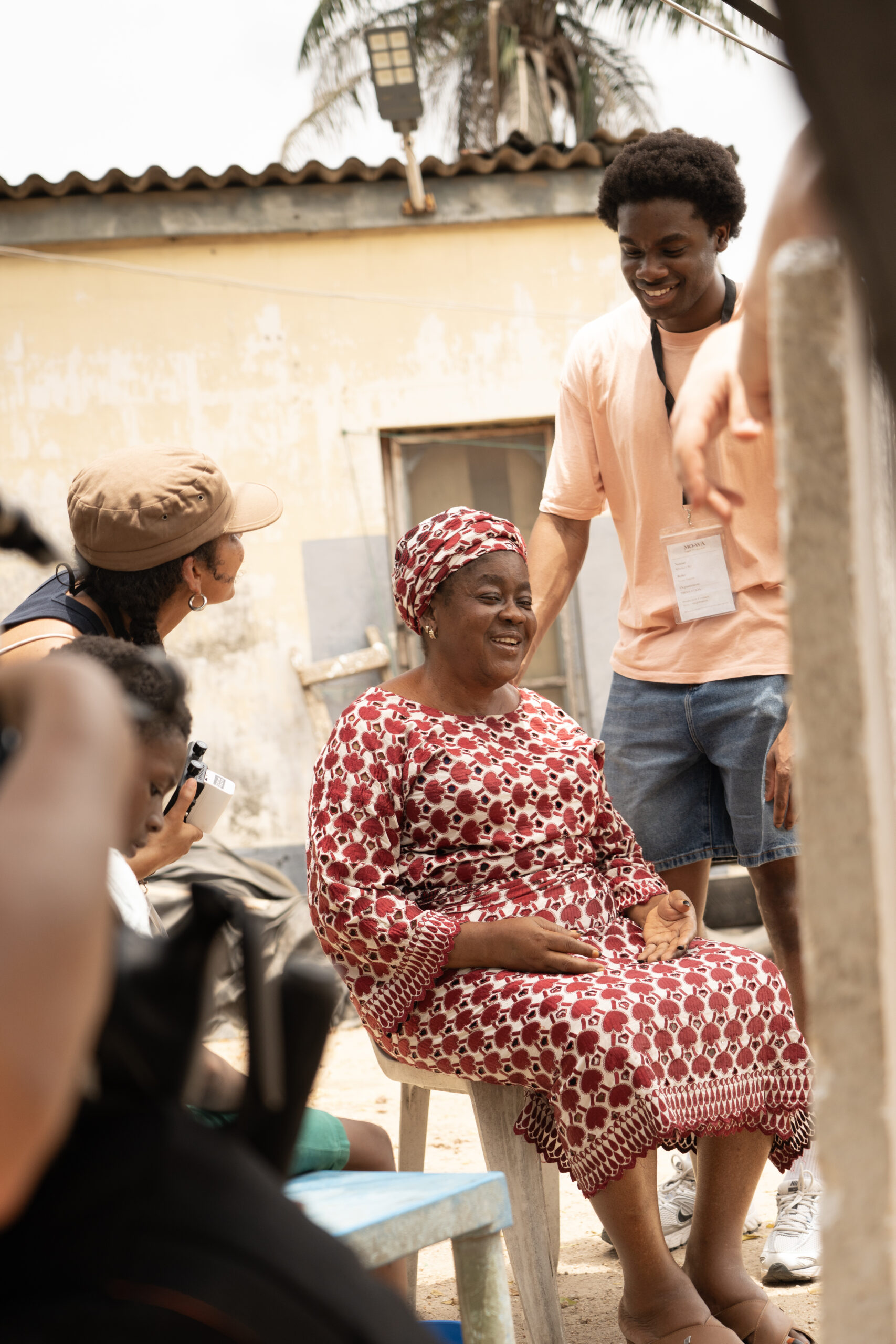
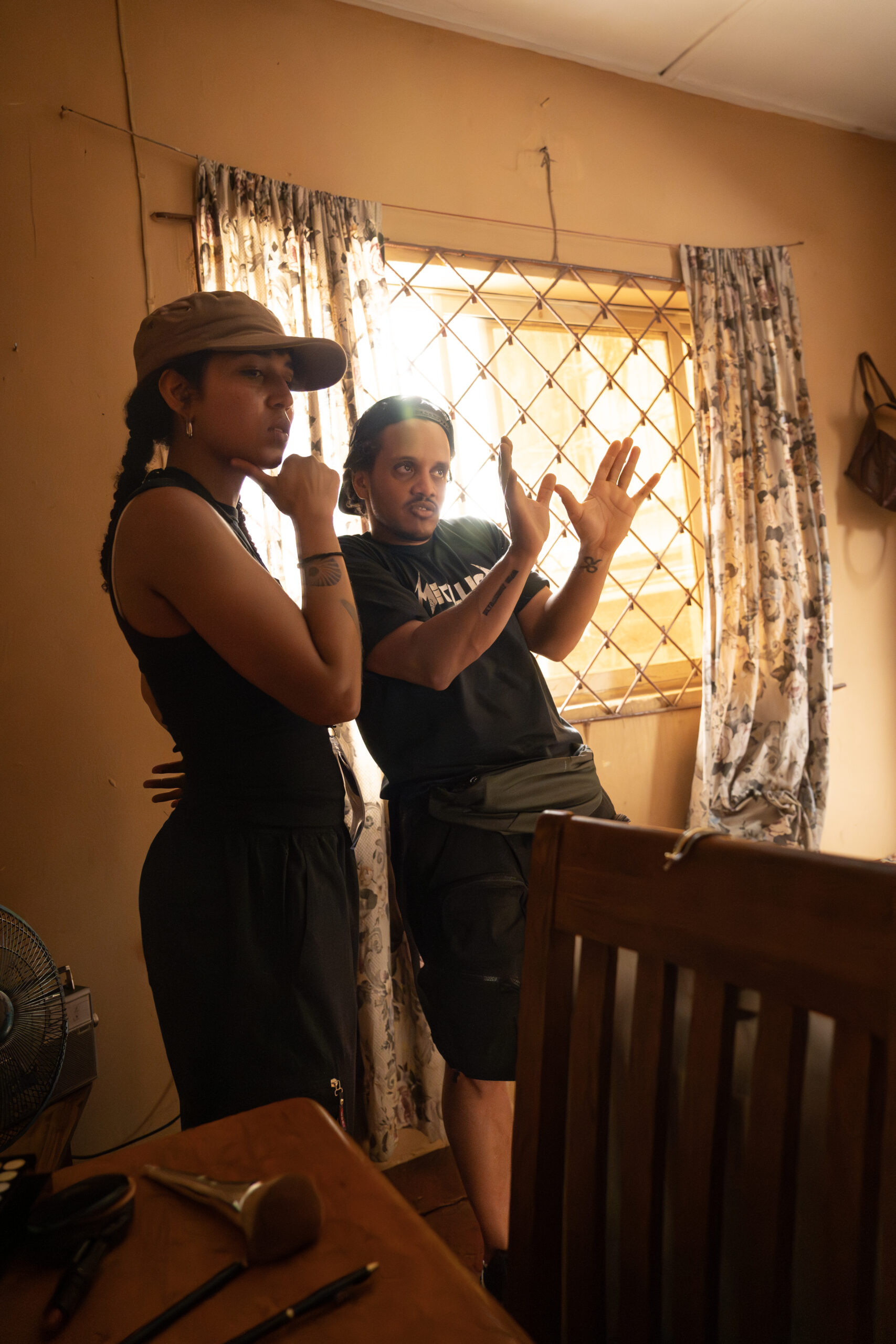
When we first met, did you feel that our connection would become something bigger than collaboration?
ShadeYes, 100%! I remember how naturally we connected over the fact that we’re both Nigerian, and it was also the first time for me meeting someone within the creative field who shared the same heritage as me. It felt quite synchronous since we met during a time when I was starting to connect more deeply with my Nigerian side and trying to better understand my connection to it. So it did feel a little fated (laughs).
We also spoke very early on about future collaborations and how we could center the cultural, queer and identity-related aspects of it, which made me realise that I would also have the opportunity to get to know myself better in a meaningful way.
Since we started working on the Alter Ego Project together, do you feel like different versions of yourself have started to reveal themselves more openly? In what ways has that changed how you express yourself?
KhalidSince Alter Ego, I’ve felt much more liberated. It gave me the freedom to express every part of myself without shame or barriers whether that’s being Black, queer, or African. I can now tell my stories in the most honest and authentic way possible.
Some of these alter egos have also started revealing themselves in my real life. Stella Ross is fearless, chaotic, and unapologetic, and sometimes I feel that same energy within myself. Darius has allowed me to express my emotions more openly, while Ori reconnects me with my roots, spirituality, and ancestors. The project allowed me to fully embrace Oke’s world without filters. That’s what makes it beautiful: being able to truly be who I am.
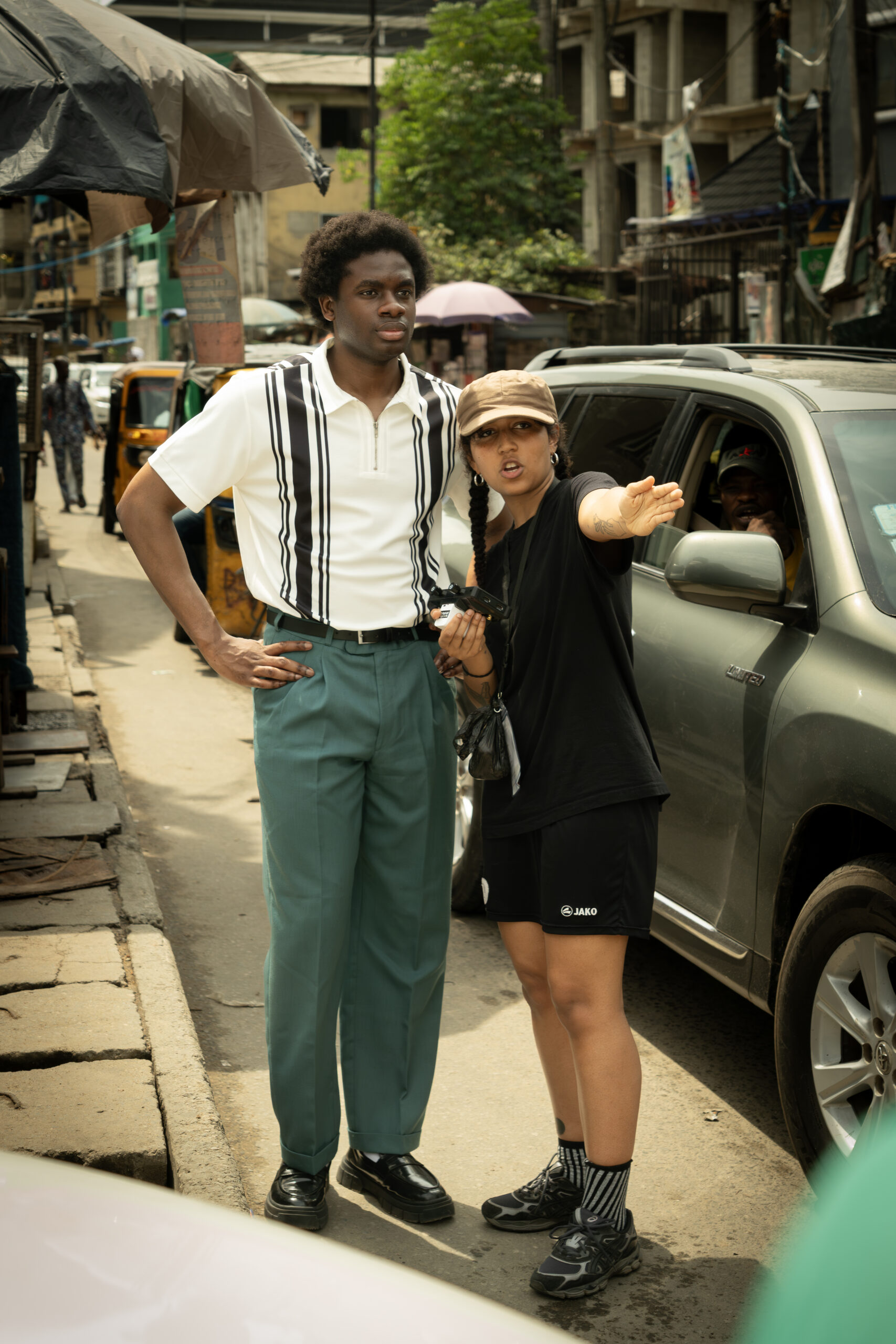
You helped me shape the visual world of Alter Ego and later directed Mo-Wà. What did you see in me creatively before I fully saw it in myself?
ShadeI’d say the fact that your artistry had the ability to create emotional connection and make people feel seen. Directing Mo-Wà later on only deepened that feeling for me, because I could see how much you were growing into yourself creatively and personally at the same time.
Now that some time has passed since our trip to Nigeria, what reflections or emotions have stayed with you the most?
KhalidWhat stayed with me most is realizing how much potential Lagos has to become one of the world’s great megacities. At the same time, I feel its leaders are failing the people. The poverty there is not because people are lazy, but because many are denied real opportunities.
What also struck me was the resilience of the people. Despite hardship, people continue to smile, they keep going, and find joy in everyday life. That spirit stayed with me deeply. The memories we created while filming Mo-Wà also mean a lot to me. Sharing that experience together strengthened our bond and friendship, and those moments back home are something I’ll cherish forever. I left Nigeria knowing that if I ever become successful as an artist or entrepreneur, I would return to Lagos and build something meaningful there.
As Yoruba creatives navigating queerness and identity, what does home mean to you now?
ShadeHome to me has become a feeling of inner calm and joy that I try to cultivate and nourish whenever possible.
With recent experiences and the passage of time, I’ve learned that even if my identity comes with many layers, I’m allowed to make space for them to exist simultaneously, and that the fluidity of it is not something I need to be afraid of. On the contrary, it has become a journey of opening up more towards myself and integrating parts of me that allow me to feel more grounded in who I am and am still becoming.
That is where I find a sense of home: by building this space within myself, which then reflects outwardly as well.
To close, I’d like to ask you the same question. What does “home” mean to you now?
KhalidHome means peace, joy, and comfort to me. In Yoruba, we say “Ilé ni ààbò ìsimi ọkò”—home is where the soul finds rest.
It’s a place where you reconnect with yourself and feel safe and free. Returning to Lagos after ten years allowed me to experience the city differently because I had evolved as a person. Being there felt equally exciting, comforting, and spiritually liberating all at once.
At the same time, growing up in Luxembourg made me deeply connected to its culture and values. I feel like carrying both worlds within me is what makes my identity unique.