 English
 Français
 Deutsch
Consent in Motion: how bodies speak on the dancefloor
It starts with a first feeling that you have regarding an event that you want to attend or that you are invited to. The excitement, the curiosity, the FOMO, or the thoughts of I want to go, but how will I fit this into an already full week? Who will come with me? Who will be there? This mix of feelings marks the start of preparing for a night out: questions as to what to wear, how to get there and home again, what we hope the night will bring, and where our limits are.
These limits may concern how late we want to stay out, the social interactions we want, the experiences we are open to, the drugs we want to take or the breaks we need along the way.
Set, setting and substance
In terms of harm reduction, we speak about the interconnected triangle of set, setting and substance. Together, these factors play a role in how we feel, how our bodies react and how we experience psychoactive substances. Imagine a friend invites you to an event and you agree because you want to please them but, in reality, you are exhausted after a long week and you know that you have to wake up early the next morning (set). On top of that, the atmosphere (setting) isn't as vibrant as you expected and you are drinking and smoking because you feel annoyed (substance). The effects of these substances may differ from what you experience when you have spent all week looking forward to an event with friends and your body is ready to party.
"Set refers to the mindset one has when taking drugs; the thoughts, feelings, emotions and expectations one has prior to and during the drug experience. Setting refers to the environment you choose to take drugs in; whether indoors or outside, what music you listen to, who you take drugs with and how comfortable your surroundings are, amongst many other things." – The Loop, UK
Movement and body expression
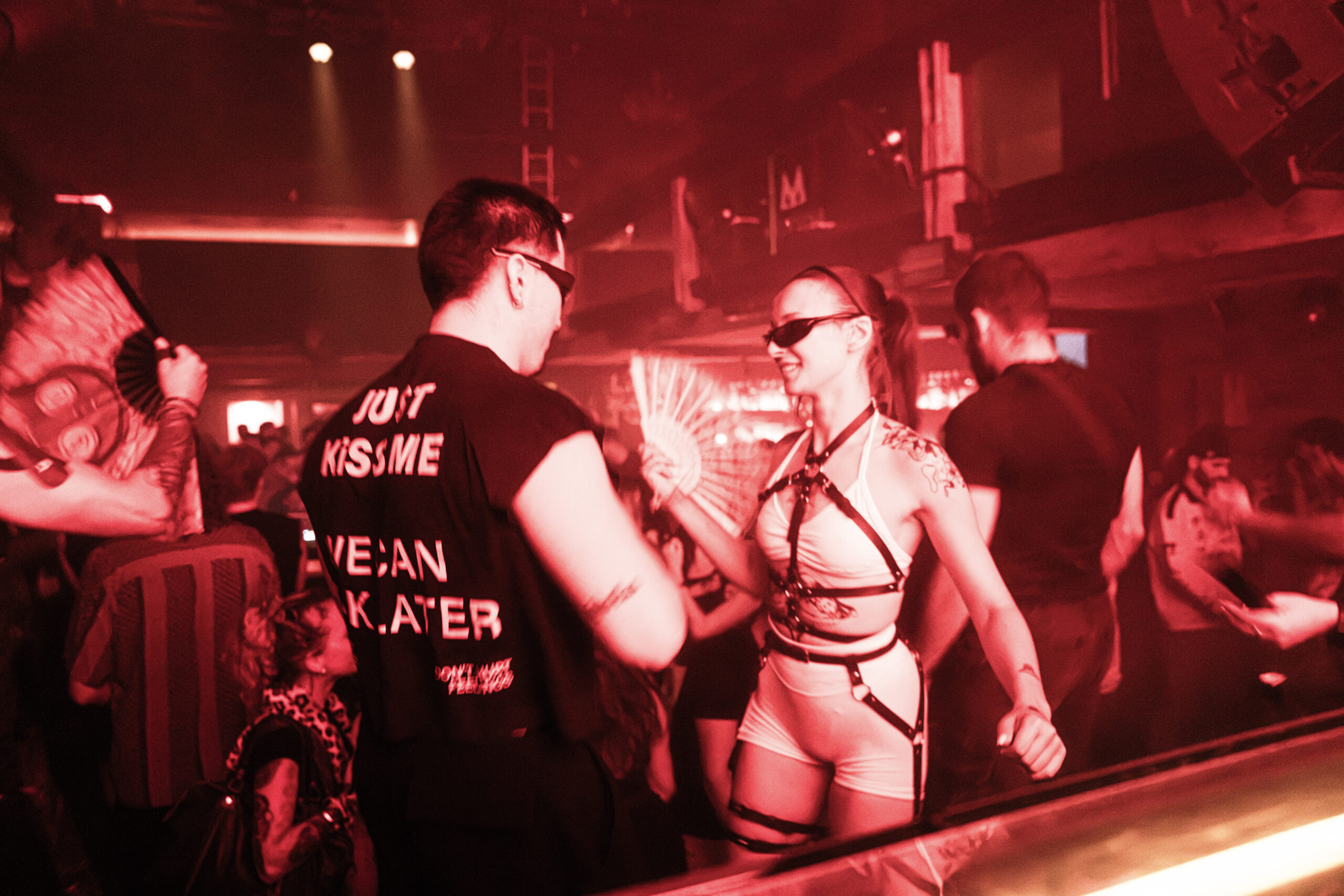
On the dancefloor, our movements and non-verbal communication shape the dynamic of a night. Are people gathered in small groups in corners? Are they sitting down? Is the dance floor almost empty or is it so crowded that there is barely room to move? Do you approach someone because you genuinely want to dance with them, or because alcohol or MDMA has lowered your inhibitions? Do you dance because your friends are dancing, or because dancing brings you joy? Do you just watch the DJ, or do you interact with them to give non-verbal feedback that you like the music? Do you engage in intimate dancing or touching with a stranger because you truly want it, or because you're in a state of chemical vulnerability?
There are plenty of moments on a night out when we can check-in, be more aware of what our bodies are telling us and how we or others are feeling in that space, at that moment. When it comes to sexual interactions, how many times, in advance or during, are you checking in to ask yourself whether you still consent? When substances are involved, at what point might your ability to give consent become impeded? And, from another perspective, are you paying close enough attention to the other person’s body language and stopping at the first sign of hesitation or doubt? Are you aware of the signals your body can give you when your limits, conscious or unconscious, are reached?
The question of whether consent is possible when psychoactive substances are involved remains controversial, and it's certainly easier to say that it isn't. The body's reactions around consent also aren't the same as in an unimpaired state. But we know that people go out to have fun. We know that people drink alcohol and use other drugs to have fun, especially when they want to have sexual encounters. Therefore, we should at least educate people about safer sex and safer use information and materials, and encourage them to check in, both verbally and non-verbally, as often as possible about whether everything is still consensual, and to not engage, or to stop, if they have doubts and can see that someone is too intoxicated.
A dancefloor is held together by care
In the club, your limits stop being something you decided alone. They start being negotiated, in real time, with everyone around you. This is where consent shifts from being a personal checklist to being a collective practice.
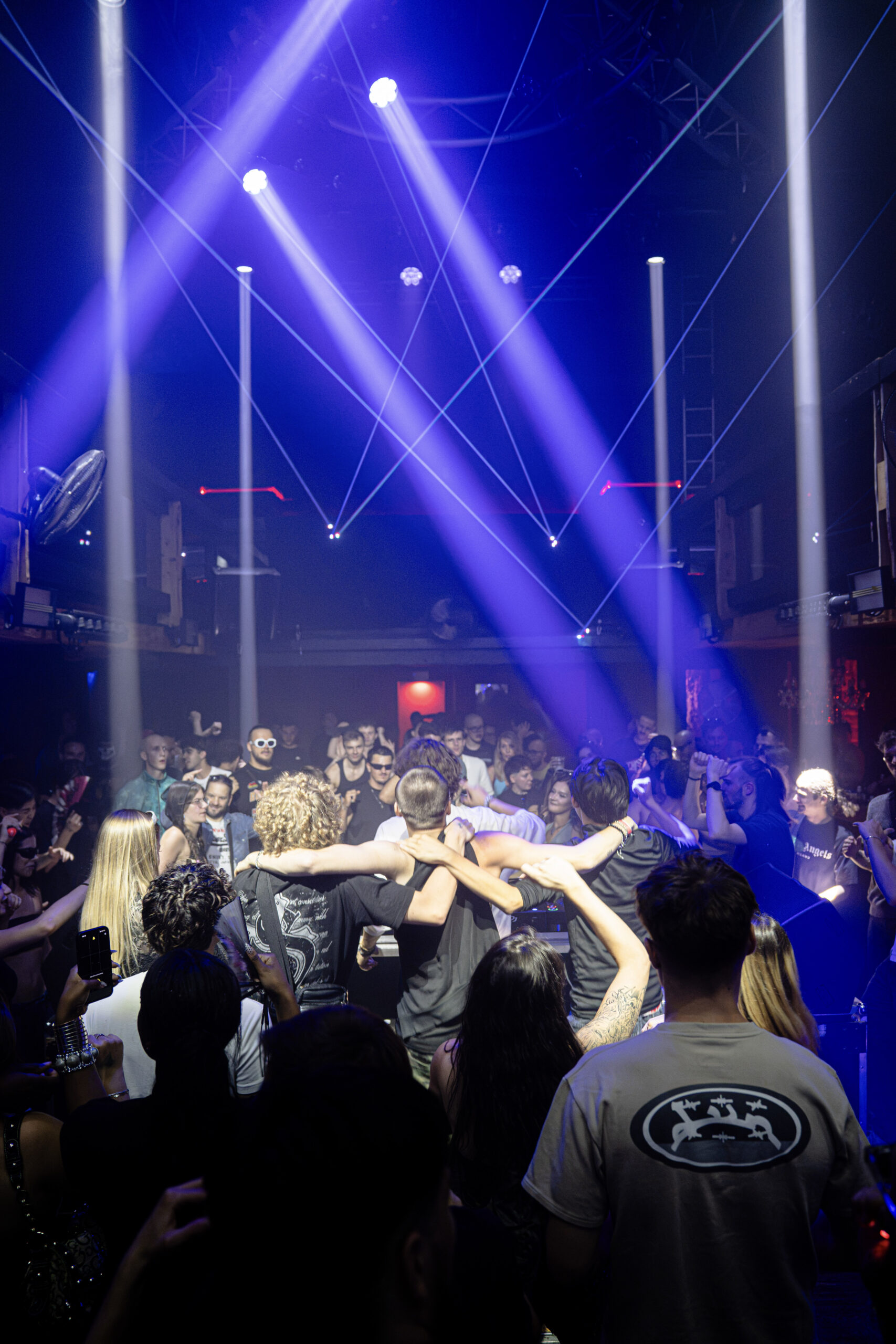
Think about what actually holds a dance floor together on a good night out. It is not the music alone, it is dozens of small, often invisible acts of care: someone making room instead of crowding the space, someone catching a friend's eye across the room to check they're still okay, someone stepping in an interaction between a stranger and a person who looks uncomfortable. None of this is written down anywhere. It's a culture built collectively night after night by people who decide, consciously or not, what kind of space they want to help create.
Being an active bystander can look like someone who reads the room well enough to notice the small things, for example a friend who has suddenly gone quiet or a person whose personal space keeps being invaded by someone despite visibly trying to maintain this space - and who feels able to respond by intervening, even in a small way. Caring about consent on a dancefloor doesn't require formal training. But training can help us trust our instincts before the night when they actually matter. It can also give us words for the awkward, unglamorous moment when we need to step in and say something.
This collective element changes the individual questions I started with. Your limits are yours to set. Yet whether you feel safe enough to express them (to say no, to step back, to ask for space) depends enormously on whether the people around you are prepared to hear them.
Before anyone says a word, the body is already talking
The body can open up when it feels comfortable or close when it doesn’t. We might sweat, freeze, or feel our heartbeat accelerate when something feels wrong. Our physical reactions can alert us to discomfort, risk or danger before we have the words to explain what is happening.
Sometimes I ask myself: Can’t they see that I don’t like them standing so close or that I don’t want to be disturbed? Why do they think it is ok to touch my shoulder or to hold my arm? But realising that even your friends or colleagues can cross your boundaries without any bad intentions at all is exactly when you understand why words still matter, because not everyone knows how to read another person's body. These consent signals are happening in a language most of us were never taught to read carefully, especially not in a dark room with a loud bass and a few drinks in. Therefore, we want to encourage people to notice what their own body and movements are telling them, to pay attention to the non-verbal cues of others, and to practice voicing their limits.
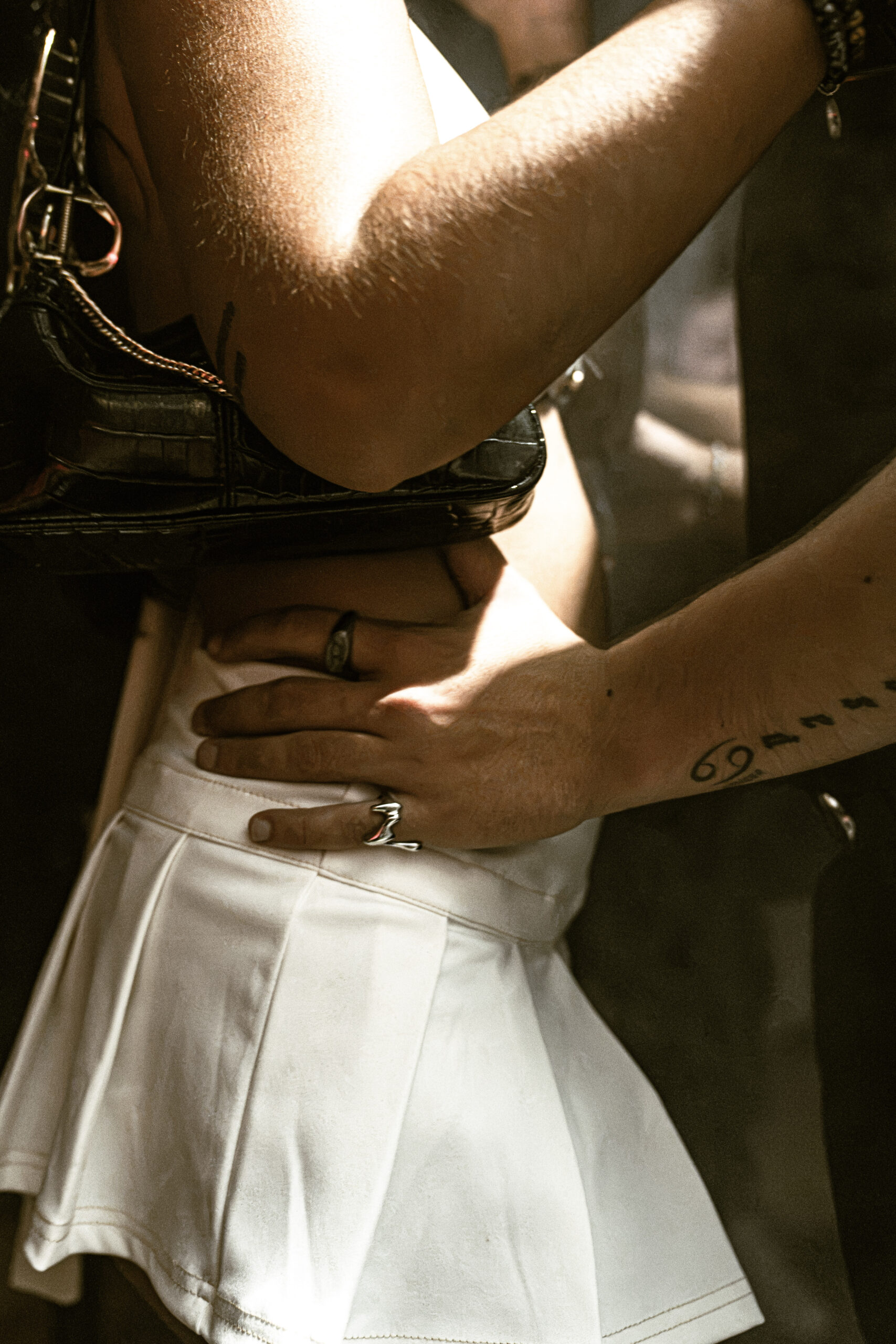
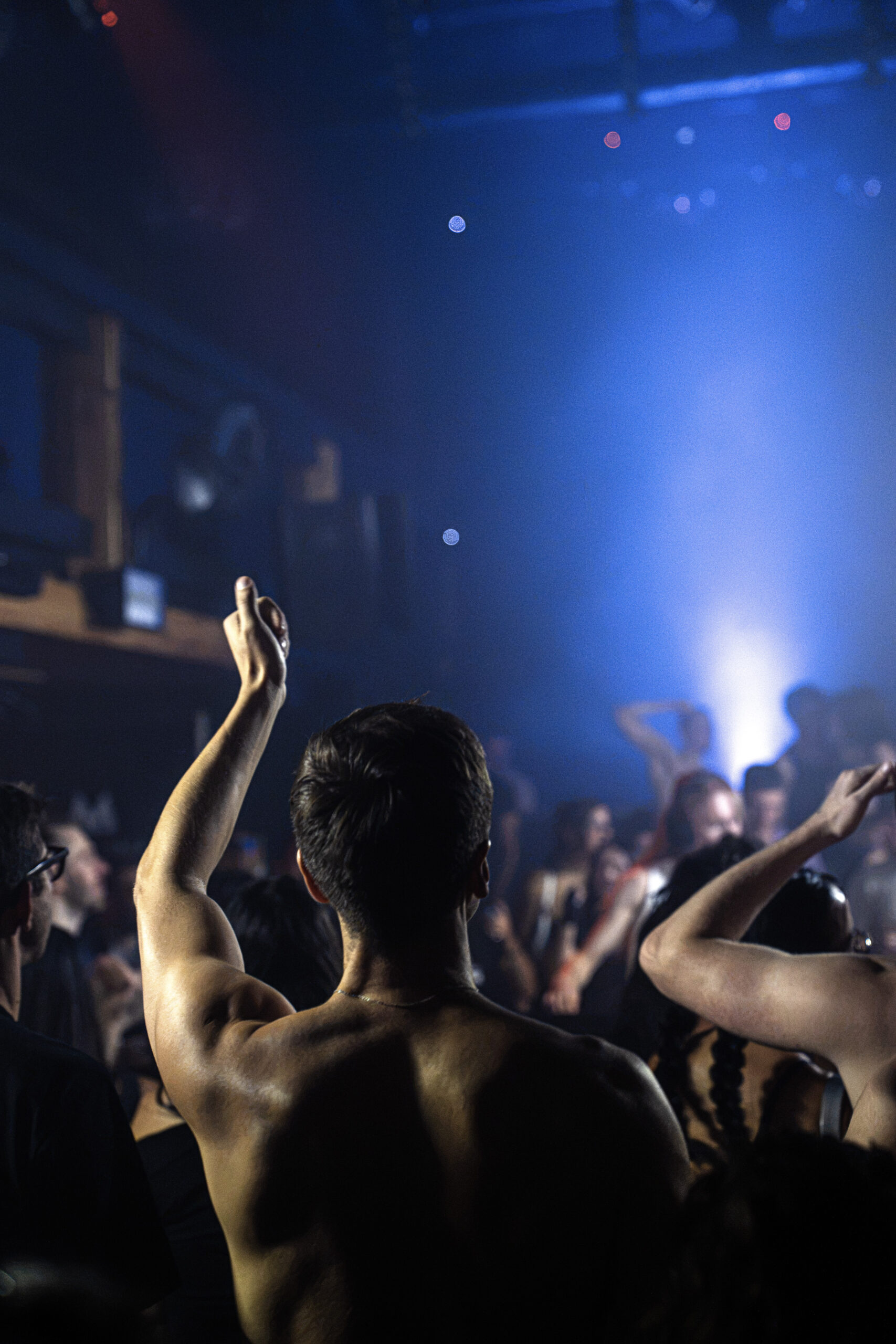
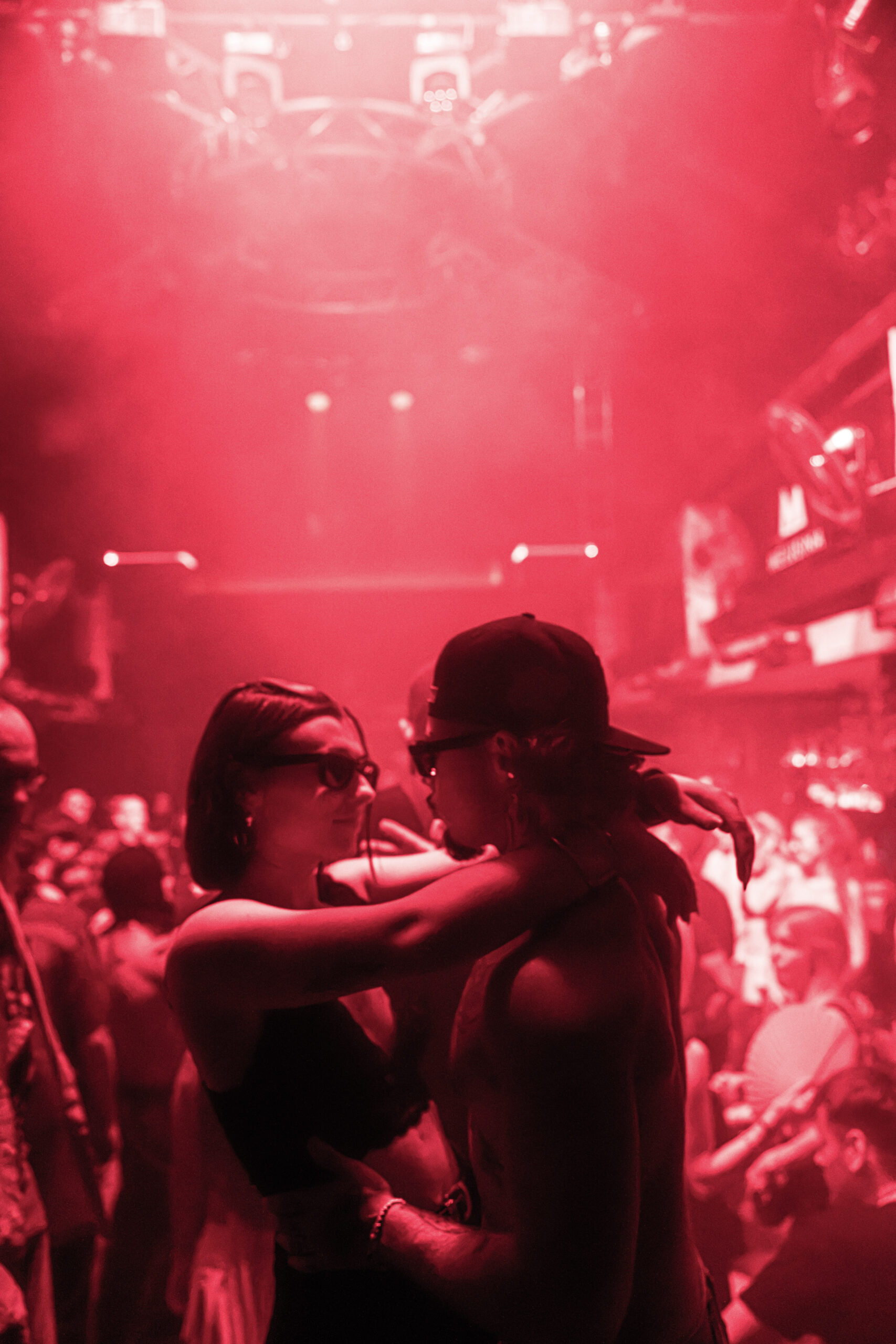
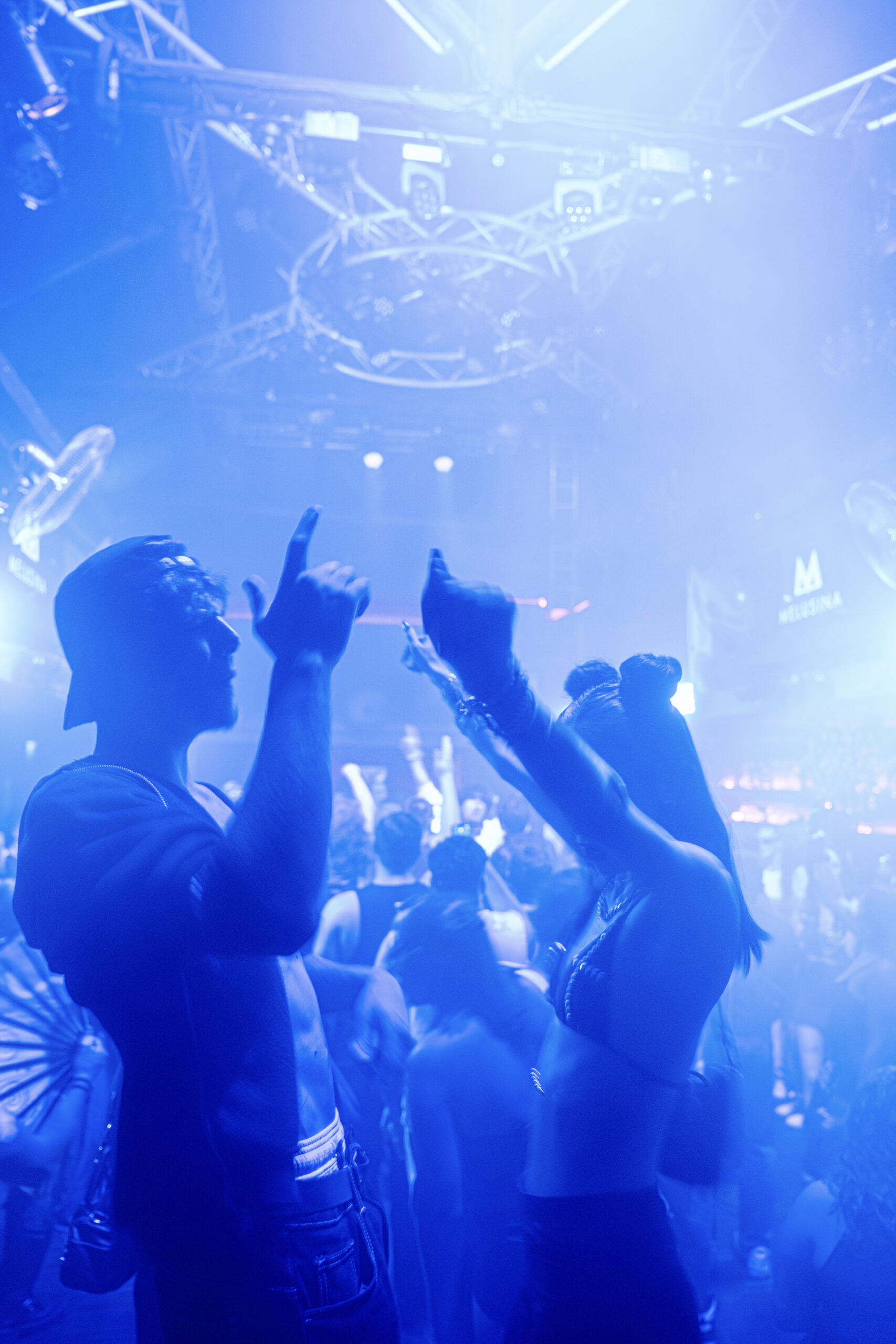
Body language is often faster than words and much easier to miss when attention is dulled by fatigue, alcohol or other substances, or when we're too absorbed in our own experience to notice someone else's. This is why movement matters so much when we talk about consent in nightlife. Movement can be slowed down, observed and actually understood, which is precisely what art and pedagogical tools can offer that a night out rarely allows for. A photograph freezes a gesture long enough to see it properly. A video can hold, frame by frame, the difference between a body that's inviting contact and one that's simply tolerating it. A testimonial can put language back onto something people usually only feel, and rarely say out loud.
The spectrum of consent
Reading a room isn't a fixed skill you either have or don't. It's something you get better at with practice and that you can develop a vocabulary for. Even though consent is important to define for human rights and laws on sexual violence, education on consent that presents every choice as a simple "yes" or "no" can leave us unable to understand everything that sits in between.
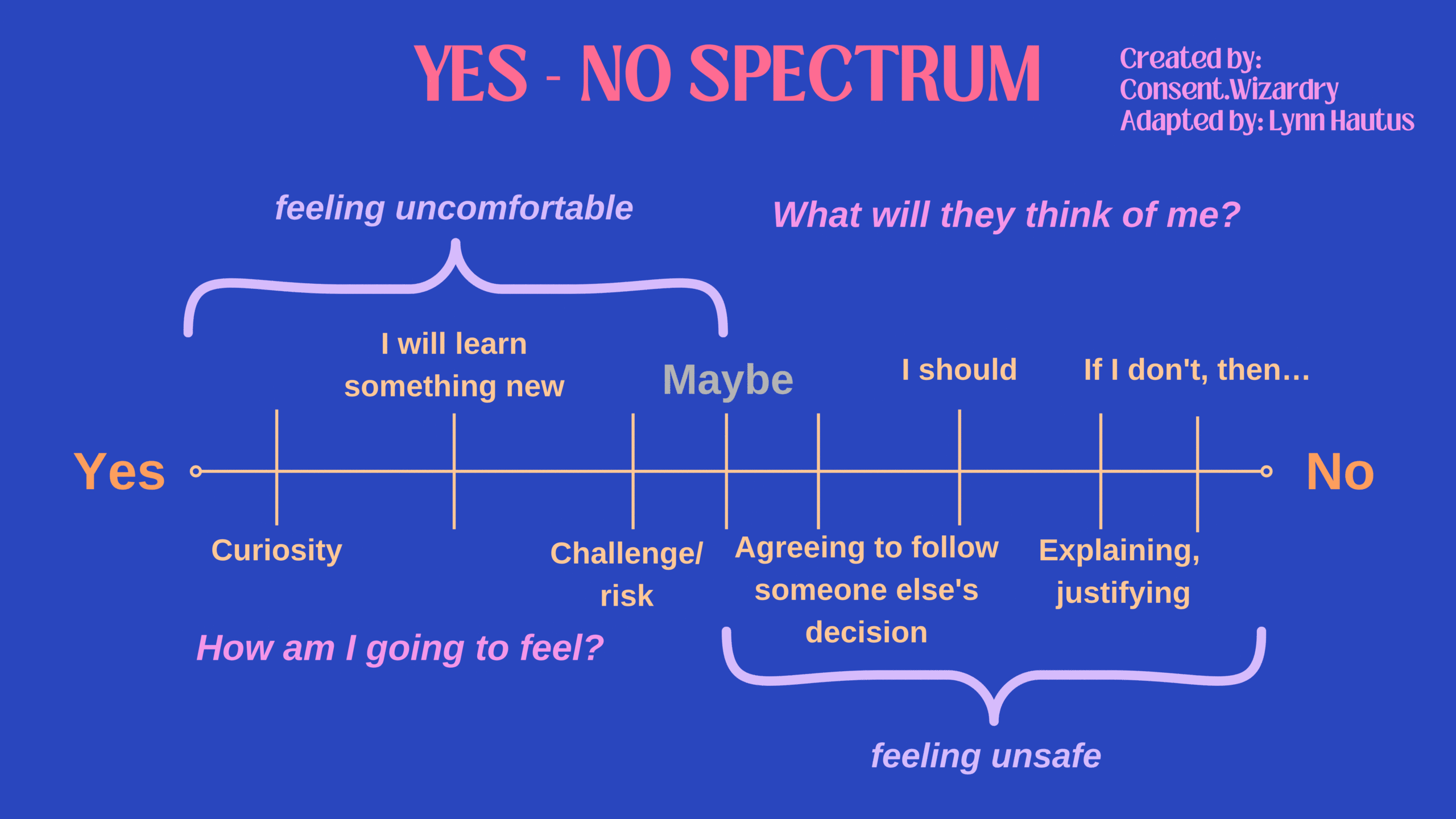
The FRIES model - Freely given, Reversible, Informed, Enthusiastic and Specific - is a good starting point for explaining the different dimensions of consent. At the same time, real-life decisions can be more nuanced than an enthusiastic “yes” every single time.
We may freely choose something even when we feel nervous or not entirely certain that we will enjoy it. There are situations where you give your consent knowing you're not feeling 100% motivated about that choice, but you realise it could be good for you to step outside your comfort zone: to learn something new or to have a new experience.
That means there's a small risk you'll feel uncomfortable, but that isn't the same as being in danger. The decision must remain ours, without pressure, and we must always be able to change our mind. Understanding this spectrum between yes and no, means learning to ask ourselves questions such as Am I doing this for myself, or to please someone else? or Am I nervous because this is new, or do I feel unsafe? Do I still want this?, in order to make clear choices. This ongoing process of noticing, asking, listening, responding by words or movement is explored in the project Consent in Motion and presented during the exhibition at the Rainbow Center in November and December 2026.
“For a lot of us, our wires get a bit crossed about the difference between feeling uncomfortable and feeling unsafe because of our upbringing and trauma.” - Mia Schachter, Consent Wizardry
Turning experience into art
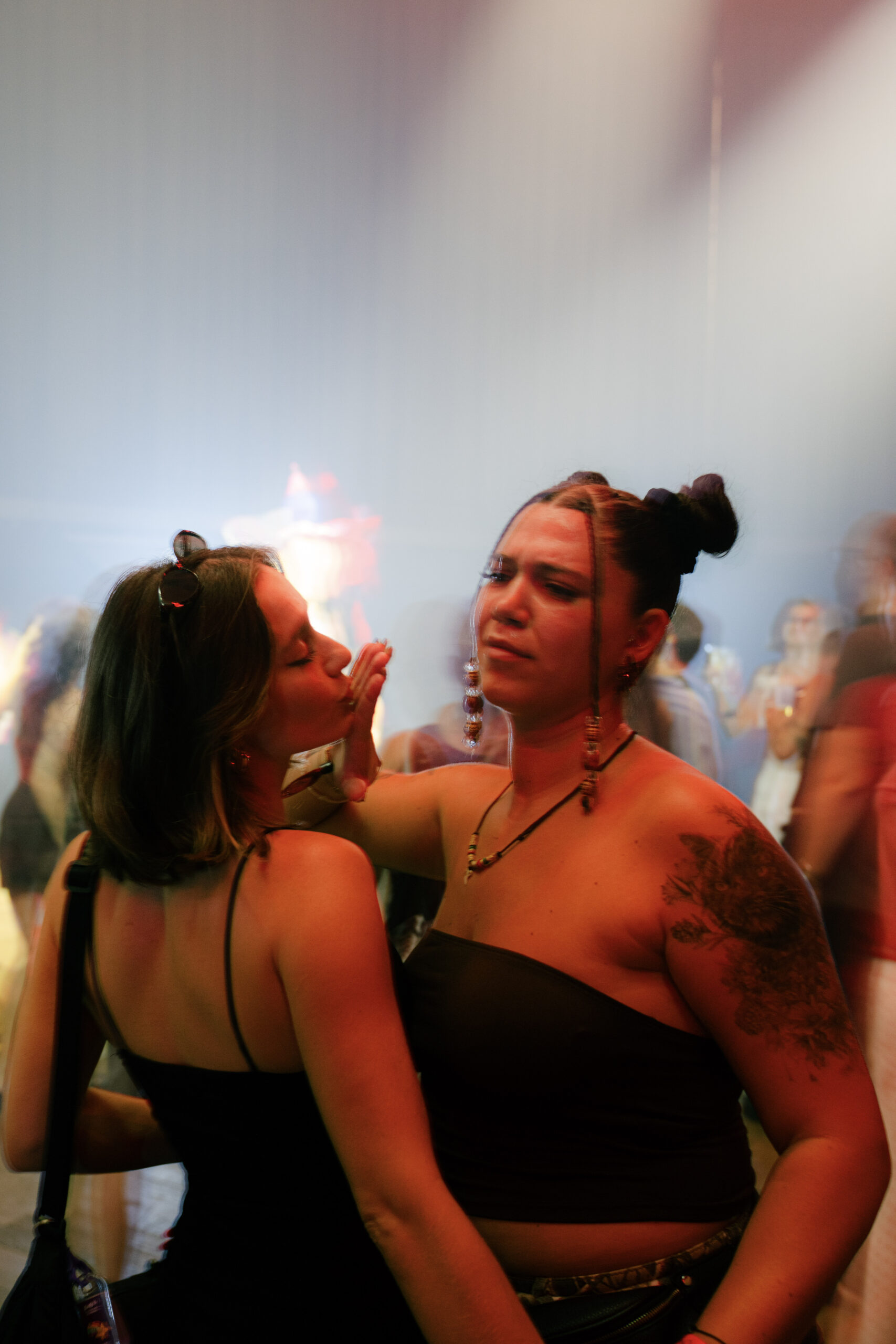
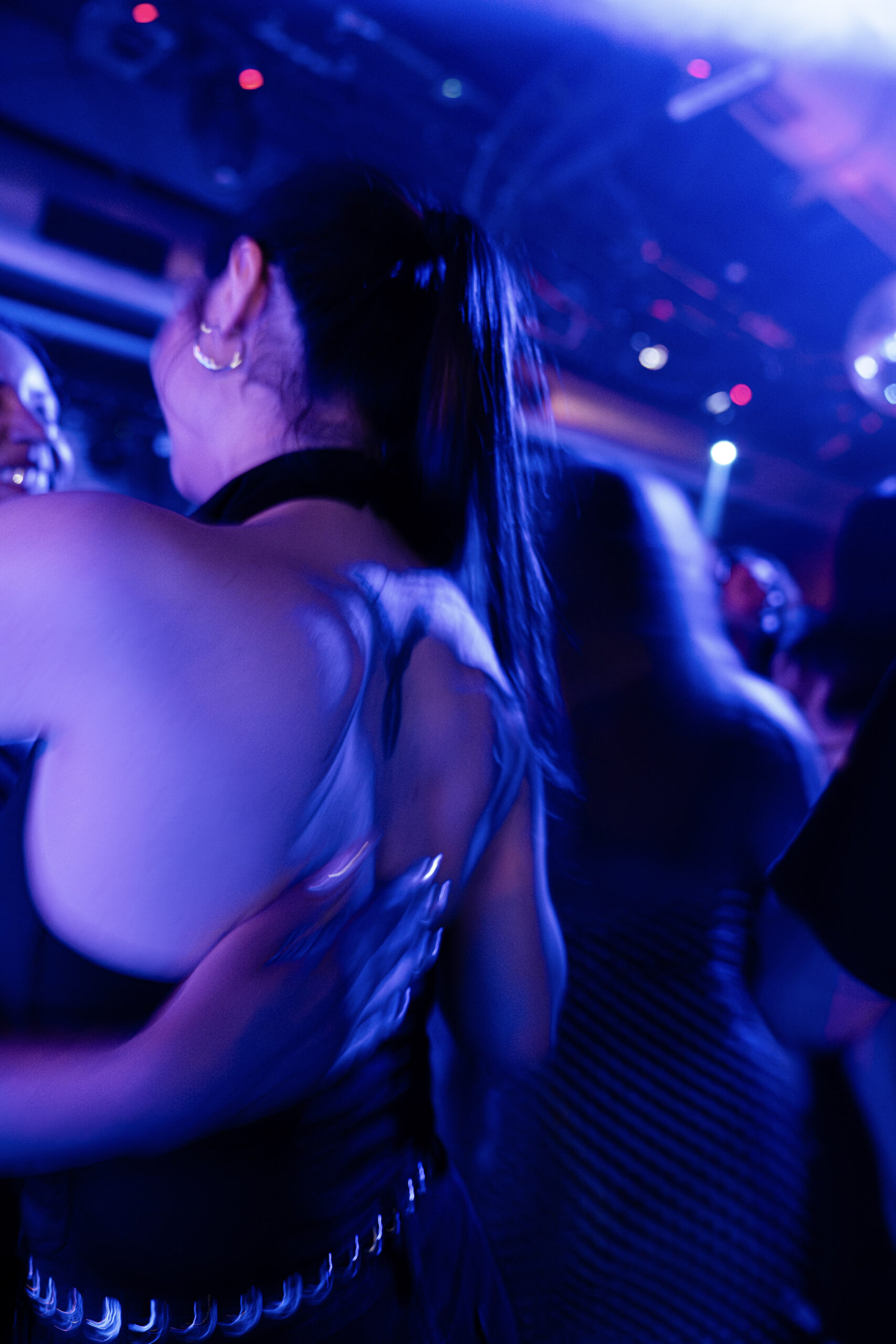
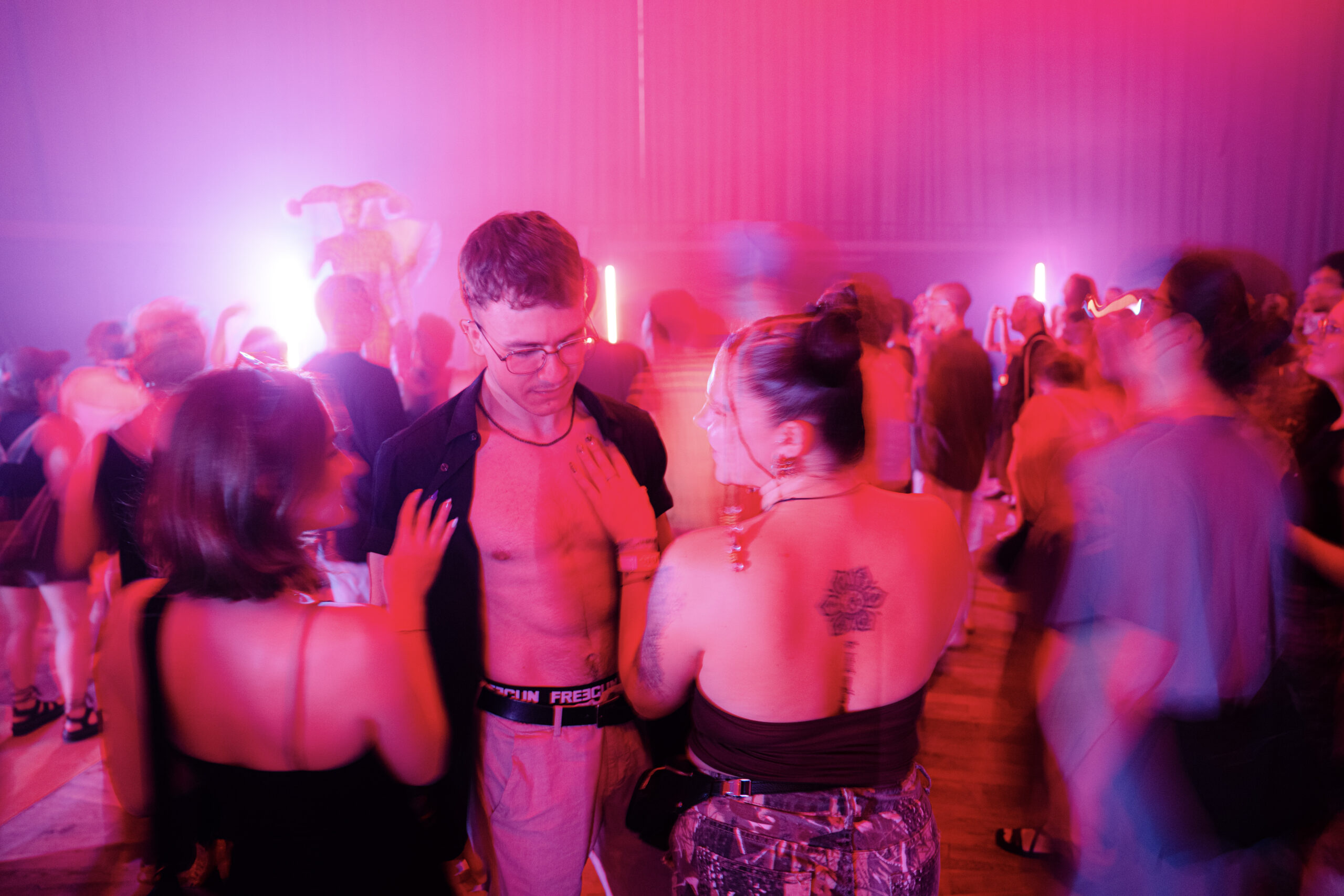
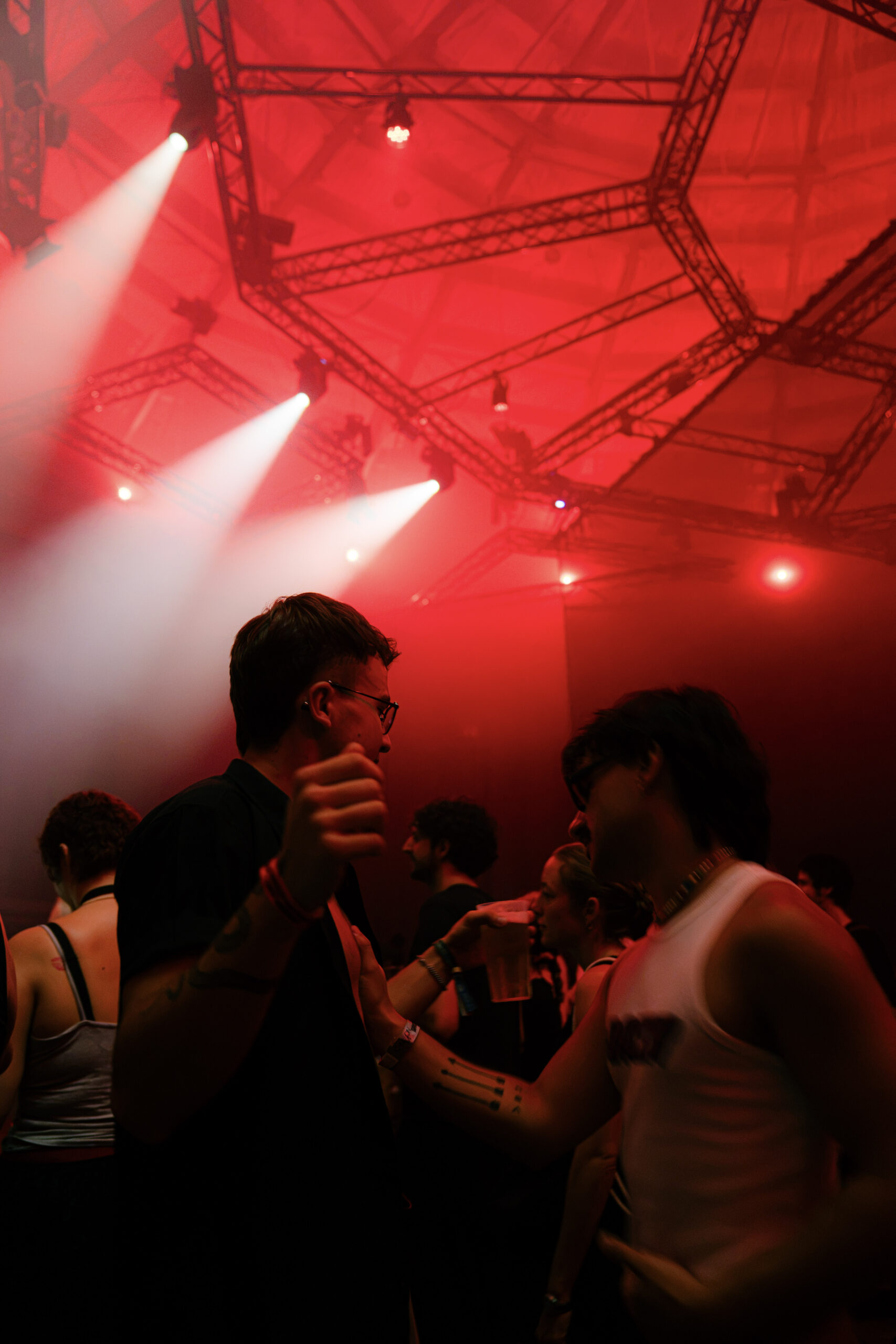
Photographer Joel Mensah has documented the textures, gestures and interactions of nightlife. Alongside his images, young peers took to the streets with microphones to record a series of micro-trottoir interviews. At Luxembourg Pride, they invited partygoers to reflect on many of the same questions raised in this article.
At the centre of the installation is a short film made in collaboration with the CNA (Centre National de l'Audiovisuel), the result of a two-day workshop in Dudelange, on 26 September and 3 October, during which participants explored consent through body expression and movement in nightlife, and integrated these ideas into the filmmaking process itself.
Together, the photographs, the interviews and the video aren't trying to hand you a single definition of consent in party settings. They hold up a mirror to a scene that already lives these questions every weekend, often without putting them into words.
From a moment to a movement
An exhibition is a moment, not a movement. If these questions stay with you after you leave the Rainbow Center, three accompanying events offer ways to continue exploring them.
Consent and Care on the dancefloor - 14 November, 18:00-21:00 at Rainbow Center
This peer-to-peer active bystander and consent workshop puts "collective care" into practice. Instead of abstract advice, it works through real scenarios and real reflexes, so that noticing and acting on the small stuff becomes less of a leap and more of a habit.
Waacking workshop: Body expression and consent - 27 November, 19:00-22:00 at Rainbow Center- by Leyti and Lynn
Waacking is a club dance form built on claiming space, rooted in self-expression and musicality. Through movement, the workshop offers a direct and physical way to explore boundaries, connection and what consent feels like in our own bodies.
Consent in Motion party – November 28, from 22:00 at Mirador
Finally, young people are organising a party, because these ideas only come alive when they are put into practice. It's one thing to talk about the kind of night you want. It's another to go out and build it together.